Sorry, no records were found. Please adjust your search criteria and try again.
Sorry, unable to load the Maps API.
Explore stunning hiking trails of Hunter Valley Region
Discover the diverse trails of Hunter Valley Region, New South Wales, offering hikes and walks for all skill levels and interests. Find your perfect adventure today.
Discover 1 hiking trail in Hunter Valley Region
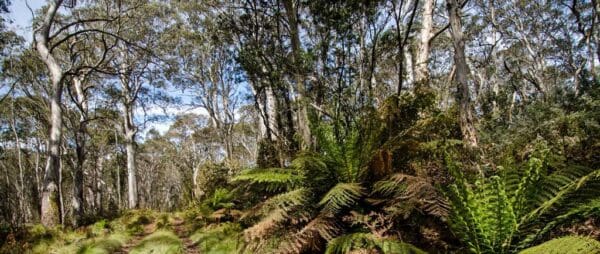

Escarpments, Rainforest Edges and Open Valley Country in the Hunter
Overview
The Hunter Valley Region brings together some of the most varied walking country in New South Wales, from the broad valley floor around Cessnock and Singleton to the sandstone escarpments, dry forests and higher country that ring it. Protected areas here sit across the Lower and Upper Hunter, with landscapes ranging from open woodland and remnant valley bushland to rugged ranges and sections of Gondwana rainforest further north.
For orientation, the region lies north of Sydney and centres on the Hunter Valley around towns such as Cessnock, Singleton and Scone. What makes it distinctive is the contrast between low, often cleared valley country and the protected bushland that survives on ridges, foothills and less accessible slopes.
Highlights
Scenically, the Hunter is defined by contrast. On the valley floor and lower slopes, there are pockets of remnant bushland with open forests, spring wildflowers and wide views across a settled landscape. Around the edges, the country lifts into sandstone ranges and escarpments, where lookouts and high points take in the valley below and, in places, the line of Lake St Clair and the surrounding hills.
Further north and east, the landscape becomes cooler, steeper and more heavily forested. Around Mount Royal and nearby high country, wet eucalypt forest and rainforest add a very different feel from the drier Hunter bush, giving the region a mix of scenery that shifts noticeably with elevation.
Best Time to Visit
Spring is one of the most rewarding times to walk in the Hunter, especially in lower parks where acacias, banksias and other wildflowers colour the bushland. It is also a good season for birdlife, with flowering forests drawing in honeyeaters and other woodland species.
Autumn and winter generally suit longer days on exposed ridges and valley walks, with cooler conditions and clearer air often making the escarpment views sharper. In the higher parts of the region, cooler months can feel markedly colder than the valley floor, particularly on peaks and lookouts.
Plants and Animals
The Hunter is important for vegetation that has become scarce across the valley floor. Remnant communities include Lower Hunter Spotted Gum Ironbark Forest and Lower Hunter Valley Dry Rainforest, both recognised for their conservation significance in the region. In places, these bushland remnants protect a surprisingly rich slice of the original Hunter landscape.
Birdlife is one of the region’s strengths. Woodland and forest habitats support a wide range of species, and parts of the Lower Hunter are known habitat for threatened birds including the regent honeyeater and swift parrot. In the higher forests and rainforest country, the fauna changes again, with species such as glossy black-cockatoos, parma wallabies and rainforest birds recorded in the ranges.
Culture and Heritage
The Hunter Valley has deep Aboriginal connections, and in the Upper Hunter the Wonnarua people are the Traditional Custodians of country extending across hills, plains and sandstone escarpments. In places such as Towarri and Belford, artefacts and other evidence of long occupation show how closely people were connected to this country over many generations.
European land use also shaped much of the valley landscape, particularly on the fertile lower ground, which makes the surviving protected bushland especially important as a record of the Hunter’s earlier natural character.
Find more places to explore…
Help expand the trail collection!
Know of an official trail not listed on Trail Hiking Australia? I’m focused on showcasing the best tracks managed by land managers, and I’d love your help! Sharing a trail adds to our community and helps others discover safe, new adventures.
Submit your trail here

