Sorry, no records were found. Please adjust your search criteria and try again.
Sorry, unable to load the Maps API.
Explore stunning hiking trails of Herdsmans Cove
Discover the diverse trails of Herdsmans Cove, Tasmania, offering hikes and walks for all skill levels and interests. Find your perfect adventure today.
Discover 1 hiking trail in Herdsmans Cove
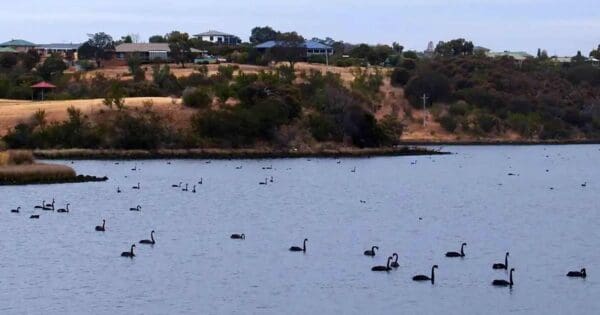

Derwent Foreshore and Saltmarsh at Herdsmans Cove
Overview
Herdsmans Cove sits on the eastern side of the River Derwent within Brighton municipality, about 25 km north-east of central Hobart. This part of the suburb meets the water through a stretch of foreshore that runs from Gage Cove towards the Jordan River, where urban edges give way to saltmarsh, wet ground and low coastal vegetation. The area is part of a broader riverfront landscape that links Herdsmans Cove with nearby Gagebrook, Bridgewater and Old Beach.
The foreshore here is valued less for dramatic landforms than for its position on the Derwent estuary and the natural edge it creates beside a suburban neighbourhood. It is one of the sections of Brighton’s riverfront chosen for focused management because of its natural values, accessibility and potential for habitat restoration.
Highlights
The main character of Herdsmans Cove is its quiet estuarine setting. The shoreline sits beside the broad lower Derwent, with open water, soft coastal edges and views across the river and towards the mouth of the Jordan River. Around the foreshore, patches of remnant vegetation and low-lying gullies add texture to what can otherwise feel like a very open suburban landscape.
What stands out most is the contrast between built-up streets and the softer river margin. The foreshore has a more sheltered, local feel than the bigger open river scenes further south, and that gives this part of the Derwent a distinct sense of place.
Best Time to Visit
Spring and early summer are usually the most appealing times to spend time around Herdsmans Cove, when the foreshore vegetation is greener and the estuary edge feels more lively. Calm, clear days also make the river setting easier to appreciate, especially when the light picks up the contrast between the water, mudflats and low coastal plants.
Autumn can also be a good time if you prefer cooler temperatures and steadier weather. Because this is an exposed estuarine edge rather than a heavily forested reserve, windy winter days can make it feel quite bare.
Plants and Animals
The natural interest at Herdsmans Cove centres on estuarine foreshore habitat. Across Brighton’s Derwent frontage, saltmarsh and wetland areas are recognised as significant, and these low coastal communities are an important part of the river edge near Herdsmans Cove. Saltmarsh plants in this part of Tasmania typically include succulent herbs, rushes and salt-tolerant grasses adapted to periodic tidal inundation.
Remnant foreshore vegetation and gully areas also contribute habitat value, and current management has focused on weed control and revegetation to improve condition over time. As with other Derwent estuary edges, the mix of wetlands, river shallows and coastal vegetation supports wildlife, particularly birds that use sheltered estuarine margins.
Culture and Heritage
Herdsmans Cove lies within a part of the Derwent and Jordan River landscape with strong Aboriginal heritage connections. Along Brighton’s foreshore, kutalayna, the Jordan River, was a significant meeting place for the Mumirimina people, and protecting Aboriginal heritage is a stated goal for foreshore management in this area.
Find more places to explore…
Help expand the trail collection!
Know of an official trail not listed on Trail Hiking Australia? I’m focused on showcasing the best tracks managed by land managers, and I’d love your help! Sharing a trail adds to our community and helps others discover safe, new adventures.
Submit your trail here

