Sorry, no records were found. Please adjust your search criteria and try again.
Sorry, unable to load the Maps API.
Explore stunning hiking trails of Heathcote National Park
Discover the diverse trails of Heathcote National Park, New South Wales, offering hikes and walks for all skill levels and interests. Find your perfect adventure today.
Discover 5 hiking trails in Heathcote National Park



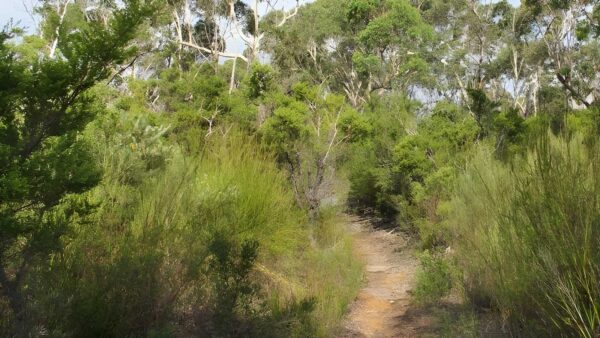
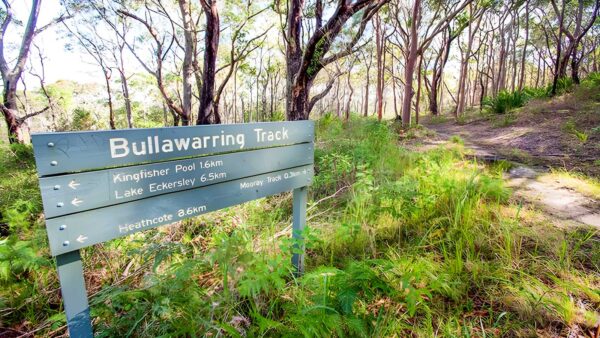

Sandstone Ridges and Freshwater Pools in Heathcote
Overview
Heathcote National Park sits on the southern edge of Sydney, west of Royal National Park, in the Woronora River catchment. It is a comparatively compact park, but it feels much bigger once you are inside, with a rugged pattern of Hawkesbury sandstone ridges, narrow gullies and open forest giving the whole area a quiet, tucked-away character.
Close to suburbs and train lines, the park still holds a distinctly bushland feel. Much of its appeal comes from that contrast: one of Sydney’s closest national parks, yet a place defined by dry ridges, creek valleys and pockets of still freshwater rather than built lookouts or big visitor precincts.
Highlights
The landscape here is classic Sydney sandstone country. Long ridgelines drop into deeply cut gullies, with rocky outcrops, creek flats and sheltered pools shaping the scenery. Freshwater is one of the park’s defining features, especially around places such as Kingfisher Pool, Mirang Pool and Lake Eckersley, where the hard sandstone and flowing creeks create clear swimming holes and rock-edged watercourses.
There is also a strong sense of enclosure in Heathcote. Instead of broad coastal scenery, the park’s beauty is found in bush-framed creek lines, shaded gorges and the changing textures of heath, open forest and exposed stone. That gives it a more intimate feel than some of the larger parks nearby.
Best Time to Visit
Heathcote works well through most of the year, but cooler months are often the most comfortable for longer days out. Autumn and winter usually suit the park’s exposed ridges and open forest best, and winter is also a good time to notice the birdlife echoing through the gorges.
Spring brings one of the park’s best seasonal changes, with banksias, hakeas and waxflowers adding colour through the bushland. Warmer weather can make the freshwater pools especially appealing, though the park is at its most pleasant when temperatures are moderate.
Plants and Animals
Open forest dominates much of Heathcote National Park, with bloodwood, grey gum, Sydney peppermint and scribbly gum all part of the mix. On the sandstone country, banksias, hakeas and waxflowers add another layer, especially where the bush opens out and flowering shrubs are easier to notice.
The park supports a good variety of wildlife as well. Sugar gliders, ringtail possums and swamp wallabies are all part of the bushland community, while friarbirds, honeyeaters and lyrebirds are among the birds most often associated with the park’s gullies and forested slopes.
Culture and Heritage
Heathcote National Park forms part of Country associated with the Dharawal language group and other Aboriginal peoples who retain a significant cultural connection to this area. The park also contains Aboriginal rock engraving sites, showing that this landscape has a much longer human history than its national park status suggests.
As a protected area, Heathcote has its own layered conservation history as well. Land here was first set aside as the Heathcote Primitive Area in 1943, later became Heathcote State Park, and in 1974 was renamed Heathcote National Park.
Find more places to explore…
Help expand the trail collection!
Know of an official trail not listed on Trail Hiking Australia? I’m focused on showcasing the best tracks managed by land managers, and I’d love your help! Sharing a trail adds to our community and helps others discover safe, new adventures.
Submit your trail here

