Sorry, no records were found. Please adjust your search criteria and try again.
Sorry, unable to load the Maps API.
Explore stunning hiking trails of Castlemaine Diggings National Heritage Park
Discover the diverse trails of Castlemaine Diggings National Heritage Park, Victoria, offering hikes and walks for all skill levels and interests. Find your perfect adventure today.
Discover 4 hiking trails in Castlemaine Diggings National Heritage Park


Box-Ironbark Country and Goldfields Relics Around Castlemaine
Overview
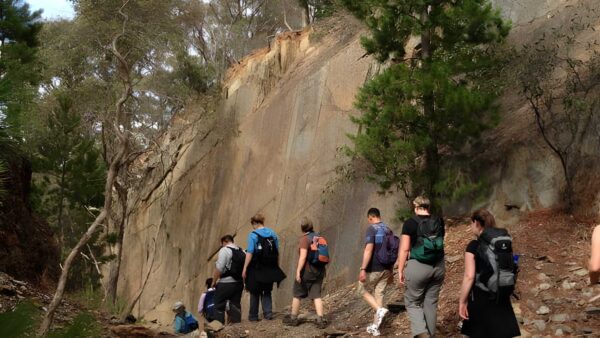
Castlemaine Diggings National Heritage Park spreads through the central Victorian goldfields around Castlemaine, Chewton, Fryerstown, Vaughan, Campbells Creek and Guildford, about 120 kilometres north-west of Melbourne. It is the only national heritage park in Victoria, created to protect an unusually intact mining landscape while also conserving important natural values across the surrounding bush. The park sits within the Goldfields Bioregion, where old diggings, gullies and ridgelines are woven through Box-Ironbark country.
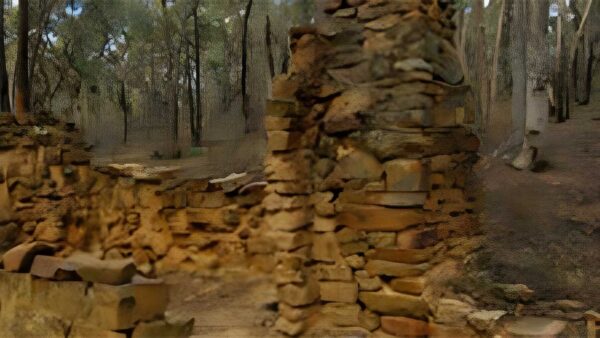
What gives this place its character is the way the bush and the evidence of past mining still occupy the same ground. The land has kept the shape of the goldfields era, with broad areas where the landscape itself tells the story rather than a single building or monument.
Highlights
The scenery here is defined by rugged bushland, dry forest and deeply worked gullies rather than dramatic peaks. Box-Ironbark woodland covers much of the park, giving it a distinctly central Victorian feel, especially across the ridges and low hills around the old diggings.
The Loddon River runs through part of the park near Vaughan, and a network of creeks including Forest, Nuggetty, Porcupine, Sailors and Tarilta threads through the landscape. These waterways add a softer element to country better known for its dry slopes and weathered earth, and they help explain why the park feels so varied from one section to the next.
Best Time to Visit
Autumn, winter and spring are usually the most comfortable times to spend time in this park, when the Box-Ironbark bush is greener and walking weather is generally milder. Spring is especially good for seeing the woodland at its liveliest, while the cooler months tend to suit longer days out in the open diggings and along the creeks.
Summer can still be rewarding, but the park’s dry forest setting means the landscape is harsher and more exposed at that time of year. After rain, the gullies and river sections often feel more vivid and easier to appreciate as part of the broader landscape.
Plants and Animals
The park protects a patchwork of Box-Ironbark forest and woodland communities that are now depleted or endangered across the wider region. Yellow Box, Red Box, Grey Box and Red Stringybark all have a place here, depending on the slope, soil and drainage, and together they create the open woodland character that shapes much of the park.
Large old trees are especially important in this country. Their nectar, peeling bark, fallen timber and hollows provide habitat for native mammals and birds, and they remain a key part of the park’s ecological value. The park also plays a broader role in conserving native flora and fauna across the Loddon River catchment, alongside nearby reserves and state forest.
Culture and Heritage
Castlemaine Diggings National Heritage Park is recognised for its outstanding heritage value as one of Australia’s most intact historic mining landscapes, and it is listed on both the National Heritage List and the Victorian Heritage Register. The place preserves a large concentration of mid nineteenth-century goldfields relics and landforms, showing how alluvial and quartz mining reshaped this part of central Victoria.
The park also has a direct Traditional Owner connection. It lies on Dja Dja Wurrung Country, and management of the park is guided in part by the Dja Dja Wurrung Recognition and Settlement Agreement and the Dhelkuny Dja Country Plan.
Find more places to explore…
Help expand the trail collection!
Know of an official trail not listed on Trail Hiking Australia? I’m focused on showcasing the best tracks managed by land managers, and I’d love your help! Sharing a trail adds to our community and helps others discover safe, new adventures.
Submit your trail here

