Sorry, no records were found. Please adjust your search criteria and try again.
Sorry, unable to load the Maps API.
Explore stunning hiking trails of Cape Woolamai Faunal Reserve
Discover the diverse trails of Cape Woolamai Faunal Reserve, Victoria, offering hikes and walks for all skill levels and interests. Find your perfect adventure today.
Discover 4 hiking trails in Cape Woolamai Faunal Reserve
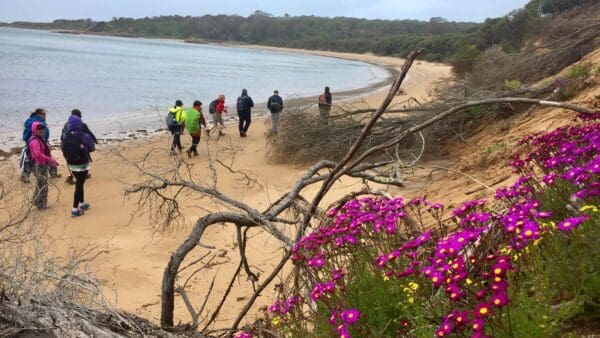

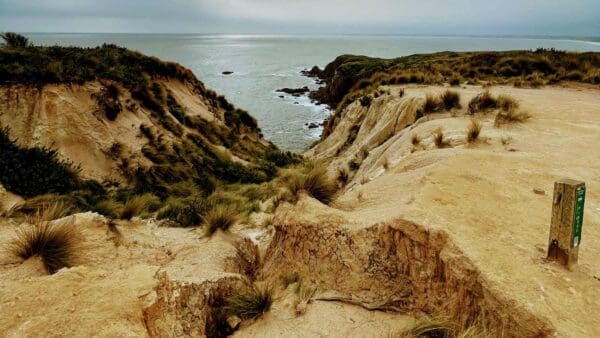
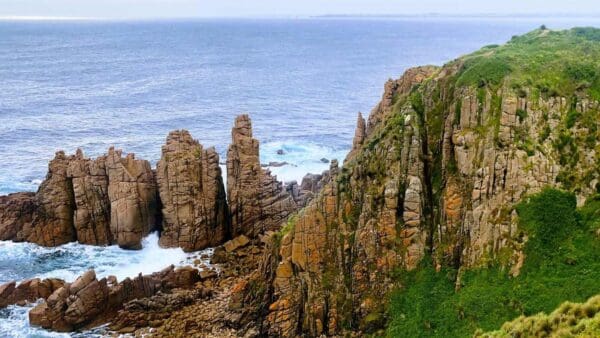

Granite cliffs, surf beaches and shearwater dunes at Cape Woolamai
Overview
Cape Woolamai Faunal Reserve protects the south-eastern tip of Phillip Island, where broad surf beaches meet steep granite-backed headlands and a large sweep of coastal dunes. It sits near the township of Cape Woolamai, roughly 140 km south-east of Melbourne, and includes the island’s highest point at 112 metres above sea level.
This is one of the most distinctive coastal landscapes on Phillip Island. Exposed cliffs face Bass Strait, while the inland side holds sandy coves, scrub and banksia woodland. The reserve is also a major wildlife area, especially for short-tailed shearwaters, and its vegetation reflects decades of restoration after earlier grazing and dune disturbance.
Highlights
The scenery here is shaped by contrast. On one side there are long, open beaches and rolling dunes, and on the other, dark cliffs and striking rock formations cut by wind and waves. The headland is built around weathered granite, which gives Cape Woolamai a different look and feel from much of the rest of Phillip Island.
Higher ground adds another layer to the place. From the cape’s summit and lookouts, the landscape opens across Phillip Island, San Remo and, in clear conditions, as far as Wilsons Promontory. That mix of surf coast, cliff edge and elevated viewpoints is what gives the reserve its strong sense of scale.
Best Time to Visit
Spring through autumn tends to show Cape Woolamai at its most active, when the beaches, dunes and headland vegetation are at their liveliest and the shearwater colony is occupied. Late September to April is the key season for short-tailed shearwaters, which return from the north to breed in burrows across the cape.
Clear winter days can also suit this part of Phillip Island well, especially if you are coming for the coastal scenery rather than birdlife. The exposed position means the character of the place changes a lot with the weather, from bright and open in calm conditions to raw and rugged when Bass Strait is up.
Plants and Animals
Cape Woolamai is home to around half a million short-tailed shearwaters and holds the largest, most significant breeding area for the species on Phillip Island. The dunes and sandy soils provide nesting ground for their burrows, and the colony becomes a defining part of the reserve’s character each breeding season.
The reserve also supports hooded plovers, which use the beaches and dunes, along with a mix of coastal headland scrub, dune scrub and banksia woodland. Much of the vegetation seen today follows major revegetation work in the 1970s and 1980s after earlier clearing, grazing and dune destabilisation changed the landscape.
Culture and Heritage
Cape Woolamai has long-standing cultural importance for First Peoples, who visited these dunes over many thousands of years, particularly in summer, to gather shellfish, fish and short-tailed shearwaters. Ancient middens made up of shells, bones and charcoal have been found here and remain protected cultural sites.
Find more places to explore…
Help expand the trail collection!
Know of an official trail not listed on Trail Hiking Australia? I’m focused on showcasing the best tracks managed by land managers, and I’d love your help! Sharing a trail adds to our community and helps others discover safe, new adventures.
Submit your trail here