Sorry, no records were found. Please adjust your search criteria and try again.
Sorry, unable to load the Maps API.
Explore stunning hiking trails of Bungonia National Park
Discover the diverse trails of Bungonia National Park, New South Wales, offering hikes and walks for all skill levels and interests. Find your perfect adventure today.
Discover 6 hiking trails in Bungonia National Park
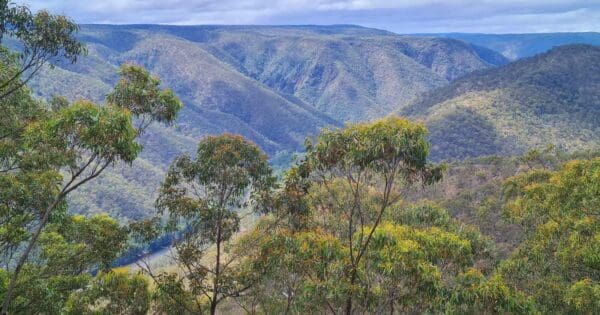

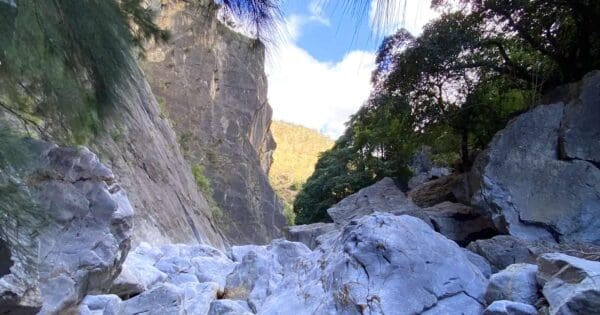
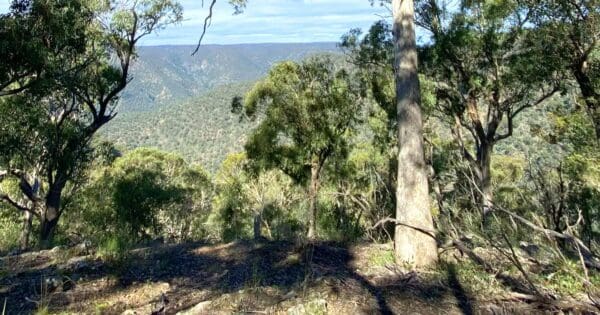

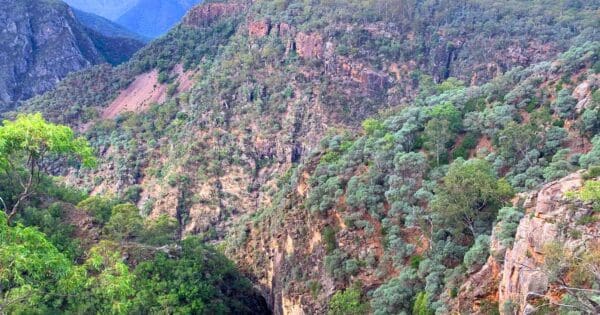

Limestone gorges and cave country on the Southern Tablelands
Overview
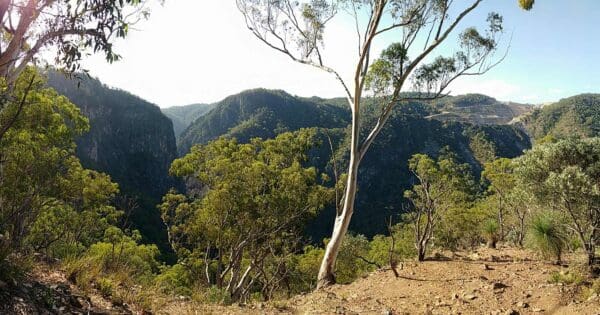
Bungonia National Park sits on the Southern Tablelands east of Goulburn, where a fairly dry plateau breaks open into steep gorges, limestone outcrops and cave systems. It protects a rugged section of country along Bungonia Creek and the western side of the Shoalhaven gorge, with scenery shaped as much by what lies underground as what you can see on the surface.
What makes this park stand out is its karst landscape. Limestone bands in the northern part of the park have produced dolines, blind valleys, springs and an extensive network of caves, while the surrounding country drops away into deeply cut forested ravines. That contrast between open tableland and sudden escarpment gives Bungonia its distinct character.
Highlights
The defining feature here is the combination of limestone cave country and sheer gorge scenery. The park’s landforms include a broad range of karst features as well as dramatic drops into Bungonia Gorge and the larger Shoalhaven gorge system, giving the area a much more broken and varied feel than many other parks on the tablelands.
There is also a strong sense of geological contrast from one part of the park to another. Woodland and open forest on the plateau sit above cave country, while the creek and gorge lines carry denser vegetation and create a greener, more enclosed landscape in the deeper sections.
Best Time to Visit
Spring and autumn are usually the most comfortable times to spend time in Bungonia. The park’s exposed plateau, rocky ground and steep terrain are easier to appreciate when temperatures are milder, and these seasons tend to suit both the open country above the gorge and the sheltered creek lines below.
Winter can also be a good time for clear views and crisp walking weather. Summer brings a harsher feel to the drier tableland country, though the gorge vegetation and creek corridors still show the park’s contrast in landscape.
Plants and Animals
Plant communities change noticeably with soil, aspect and elevation. Much of the park is woodland on ridges and steep slopes, with open forest across the more moderate slopes and plateau. Along Bungonia Creek and parts of the Shoalhaven gorge, the vegetation becomes richer, with gallery rainforest species, ferns and climbers creating pockets of much denser growth.
The limestone areas support some plants that are more restricted in distribution, and the park also protects threatened species. Its caves are especially important for fauna, including a vulnerable bent-wing bat maternity population in Drum Cave and Grill Cave, while koalas have also been recorded in the area. Cave ecosystems here are highly specialised, with fauna closely tied to the quality of underground water and the condition of the surrounding karst.
Culture and Heritage
Bungonia contains recorded Aboriginal sites, including open campsites on the plateau, and the cave country is recognised as an important place for understanding past Aboriginal use of the area. A burial has been found in one of the caves, and the park holds archaeological evidence that adds to its cultural significance.
The park also has a long history of public use centred on its caves and lookouts. Parts of the limestone area were reserved for public recreation in 1872, making Bungonia one of the earlier protected cave areas in New South Wales. Remains linked with early cave access, former caretaking and small-scale mining still form part of the park’s historic character.
Find more places to explore…
Help expand the trail collection!
Know of an official trail not listed on Trail Hiking Australia? I’m focused on showcasing the best tracks managed by land managers, and I’d love your help! Sharing a trail adds to our community and helps others discover safe, new adventures.
Submit your trail here

