Sandstone Plateaus, Waterways and Wildflowers on the Central Coast
Overview
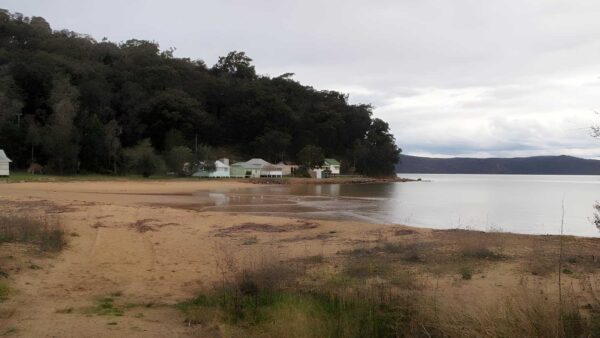
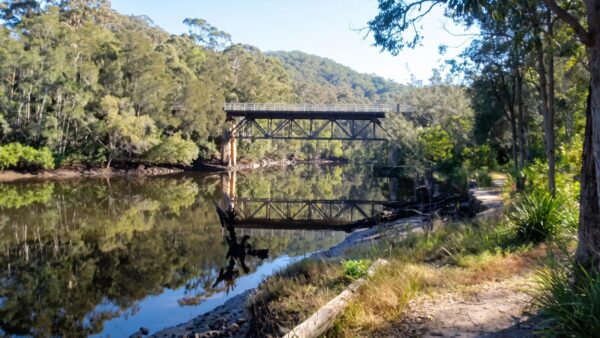
Brisbane Water National Park sits on the Central Coast near Gosford, north of Sydney, where sandstone ridges, deep creek valleys and sheltered waterways meet. It is part of the broader landscape around Broken Bay and protects country shaped by Hawkesbury Sandstone, with streams such as Patonga Creek, Mooney Mooney Creek and Mullet Creek cutting through the park.
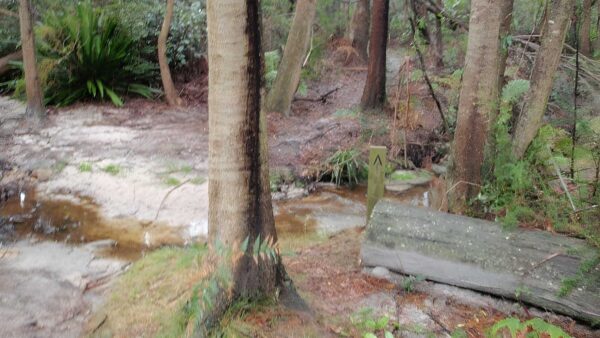
What gives the park its character is that contrast between broad plateau country and steep, folded terrain below. Some areas still hold old land surfaces on the plateau, while the valleys drop away into more enclosed forested country. Across the park, rainforest pockets, creeks, exposed sandstone and water views all sit surprisingly close together.
Highlights
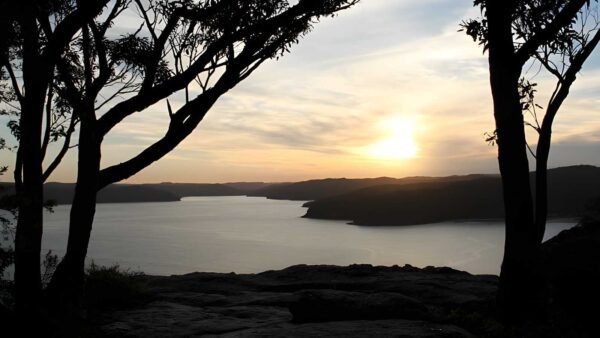
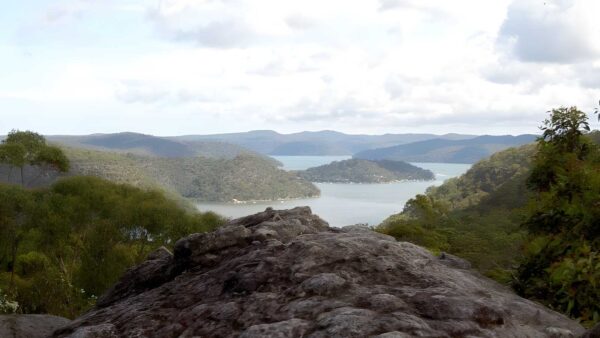
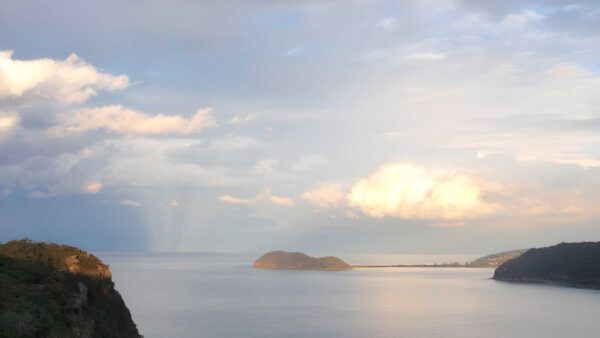
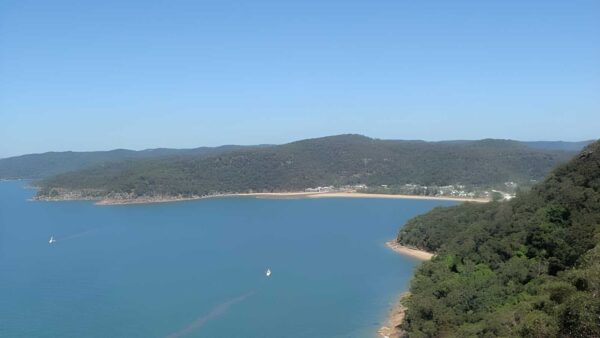
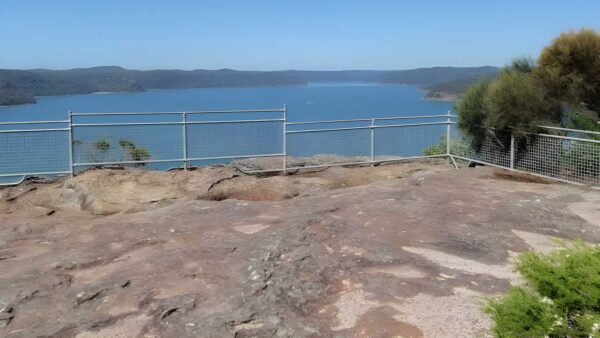
This is a park defined by scenery rather than a single landmark. Lookouts above the Hawkesbury River and Broken Bay open onto broad water views, while the interior is all ridgelines, creek gullies and weathered sandstone. The landscape itself tells the story here, with old river valleys later drowned by the sea to form the inlets and foreshores that shape the southern edge of the park.
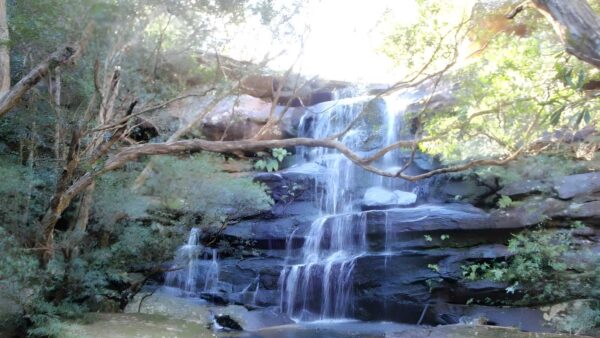
Spring is especially memorable on the higher country, when wildflowers come through and waratahs colour the bush from mid-July into mid-October. Water also plays a big part in the park’s appeal, from sheltered estuarine edges to creek systems and falls in the north.
Best Time to Visit
Spring is one of the best times to be here, when the bush is at its brightest and wildflowers are out across the sandstone country. The park is also known for its seasonal waratah display, which peaks from mid-July to mid-October.
Autumn and winter can be excellent as well, particularly for clearer views and cooler days in the gullies and along the ridgelines. Summer brings warmer weather that suits the park’s waterways, though the bush feels very different then, drier, brighter and more exposed.
Plants and Animals
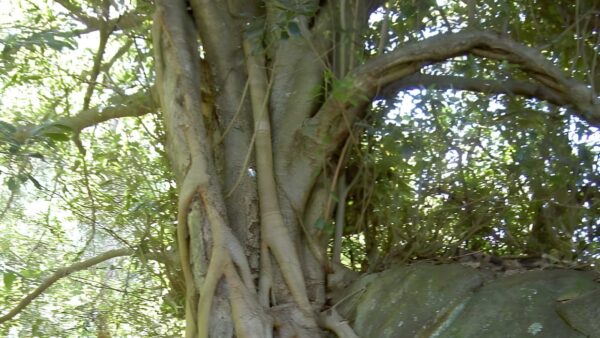
Brisbane Water National Park protects a strong sample of coastal vegetation typical of the Sydney region, with plant communities changing as geology, soils, moisture and fire history shift across the landscape. The dominant pattern is open forest and woodland on the ridges and slopes, with rainforest in the more sheltered valleys and along streams.
The flora is notably rich, with 657 plant species recorded and fifteen plant communities identified. A number of native plants in the park are considered rare or at risk, and some survive in small, isolated patches.
Animal life is varied too, even if it has historically been less thoroughly surveyed. More than 150 bird species have been recorded, along with 26 native mammal species, 30 frog species and about 50 reptile species. The park also supports locally significant species including koalas in the Pearl Beach section, yellow-bellied gliders around Piles Creek, and the rare broad-headed snake.
Culture and Heritage
Brisbane Water National Park holds important Aboriginal cultural heritage, including ancient engraving sites. The Hawkesbury Sandstone in this part of New South Wales provided the surface for a rock engraving style that is unique in Australia, and the park contains many sites representative of that tradition.
Within the park, Bulgandry Art Site Aboriginal Place near Kariong is a well known rock art site, and the park also includes Kariong Sacred Land Aboriginal Place. Official park material makes clear that these places are part of the cultural significance of Brisbane Water National Park itself, not just the wider region.