Sorry, no records were found. Please adjust your search criteria and try again.
Sorry, unable to load the Maps API.
Explore stunning hiking trails of Abercrombie Karst Conservation Reserve
Discover the diverse trails of Abercrombie Karst Conservation Reserve, New South Wales, offering hikes and walks for all skill levels and interests. Find your perfect adventure today.
Discover 2 hiking trails in Abercrombie Karst Conservation Reserve
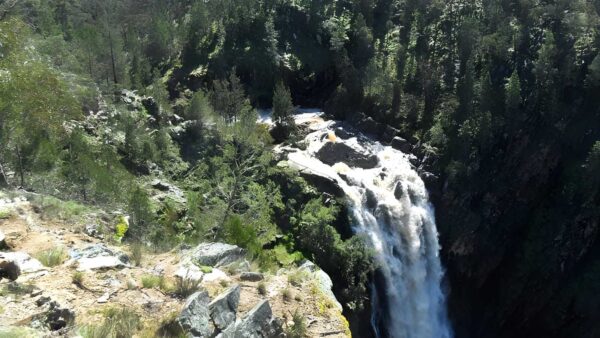

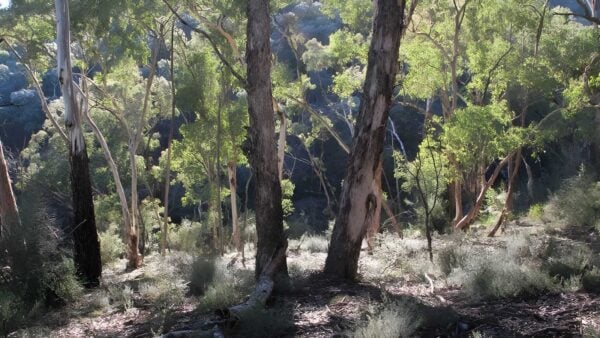
Where Limestone, Water and Time Meet at Abercrombie
Overview
Abercrombie Karst Conservation Reserve sits in the Central Tablelands of New South Wales, about 80km south-west of Bathurst, where limestone country opens into a valley cut by Grove Creek. The reserve is known for its cave system and natural arch formations, with a compact karst landscape that packs a lot of geological interest into a relatively small area.
What makes this place stand out is the way surface and underground landscapes work together. Cliffs, creek lines and cave entrances are all part of the same limestone system, so even above ground there is a strong sense that the country has been shaped over a very long time by water moving through rock.
Highlights
The defining feature here is the limestone karst itself. Large arches, cave entrances and rock chambers give the reserve a bold, sculpted character, and the scale of the main arch is what many people remember most clearly. Grove Creek adds another layer to the scenery, threading through the valley and helping shape the rugged terrain around the caves.
Although the reserve is best known for what lies underground, the surrounding landscape has plenty of visual interest in its own right. Steep slopes, open woodland and broken limestone outcrops create a setting that feels quite different from the broader farming country beyond the reserve boundary.
Best Time to Visit
Autumn and spring are usually the most comfortable times to appreciate the reserve’s above-ground scenery, when the Central Tablelands tends to have milder temperatures and the bush is often at its most pleasant for walking. Summer can be hot in this part of inland New South Wales, while winter brings colder days and frosty mornings.
If you are visiting mainly for the landscape rather than a particular wildflower display, this is a place that changes more through light, temperature and creek conditions than through dramatic seasonal colour. The cooler months often suit people who prefer clearer air and crisp conditions in the tablelands.
Plants and Animals
The reserve protects an important patch of remnant native vegetation in a district that has been widely cleared, and that gives it real ecological value beyond its caves. Open woodland dominates much of the landscape, with several rare or threatened plant species recorded here, including Bossiaea fragrans, a critically endangered shrub known from the reserve.
Animal life ranges from wallabies and sugar gliders in the bush to species closely tied to the cave environment. Peregrine falcons have been recorded in the area, and the caves provide habitat for bats including the eastern horseshoe bat and little mastiff bat. The underground system also supports specialised invertebrates, including the cave shawl spider, which is known from the large arch systems at Abercrombie and Jenolan.
Culture and Heritage
Abercrombie Caves and the surrounding area are identified as part of the traditional country of the Burra Burra group, within the broader Wiradjuri cultural landscape. Archaeological finds from a shelter north of the Great Arch, including stone tools and animal bones, show that people knew and used this country long before the reserve was created.
The place also carries a strong colonial-era history. The caves were associated with the Ribbon Gang in the early 1830s, and later became linked with the gold rush period, when miners left their mark on the site. That layered history gives Abercrombie a character that is not only geological, but deeply human as well.
Find more places to explore…
Help expand the trail collection!
Know of an official trail not listed on Trail Hiking Australia? I’m focused on showcasing the best tracks managed by land managers, and I’d love your help! Sharing a trail adds to our community and helps others discover safe, new adventures.
Submit your trail here

