Good hiking photos are rarely about the camera you carry. They’re about how you see the landscape while moving through it.
Composition is the skill that helps turn a moment on the trail into an image that feels intentional, balanced, and connected to the experience. Whether you’re photographing vast landscapes, quiet details, or the people you hike with, a few simple compositional principles can make a noticeable difference.
This guide focuses on practical, field-based composition tips that work in real hiking conditions, without relying on technical jargon or specialist equipment.
Include a human element
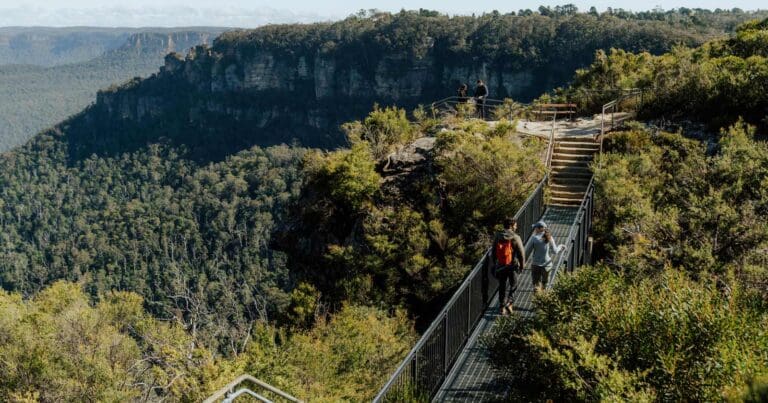
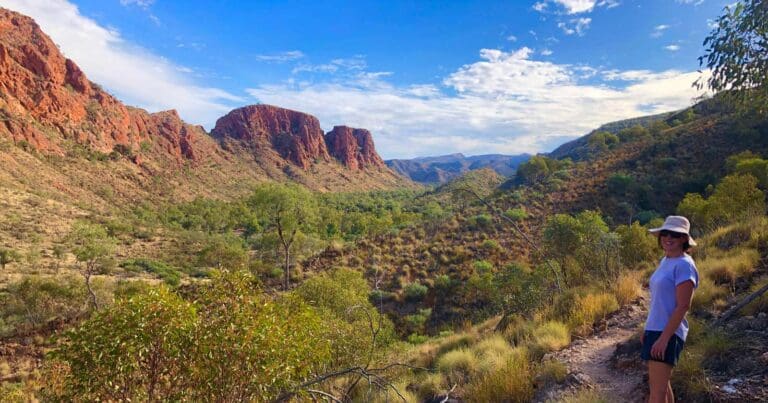
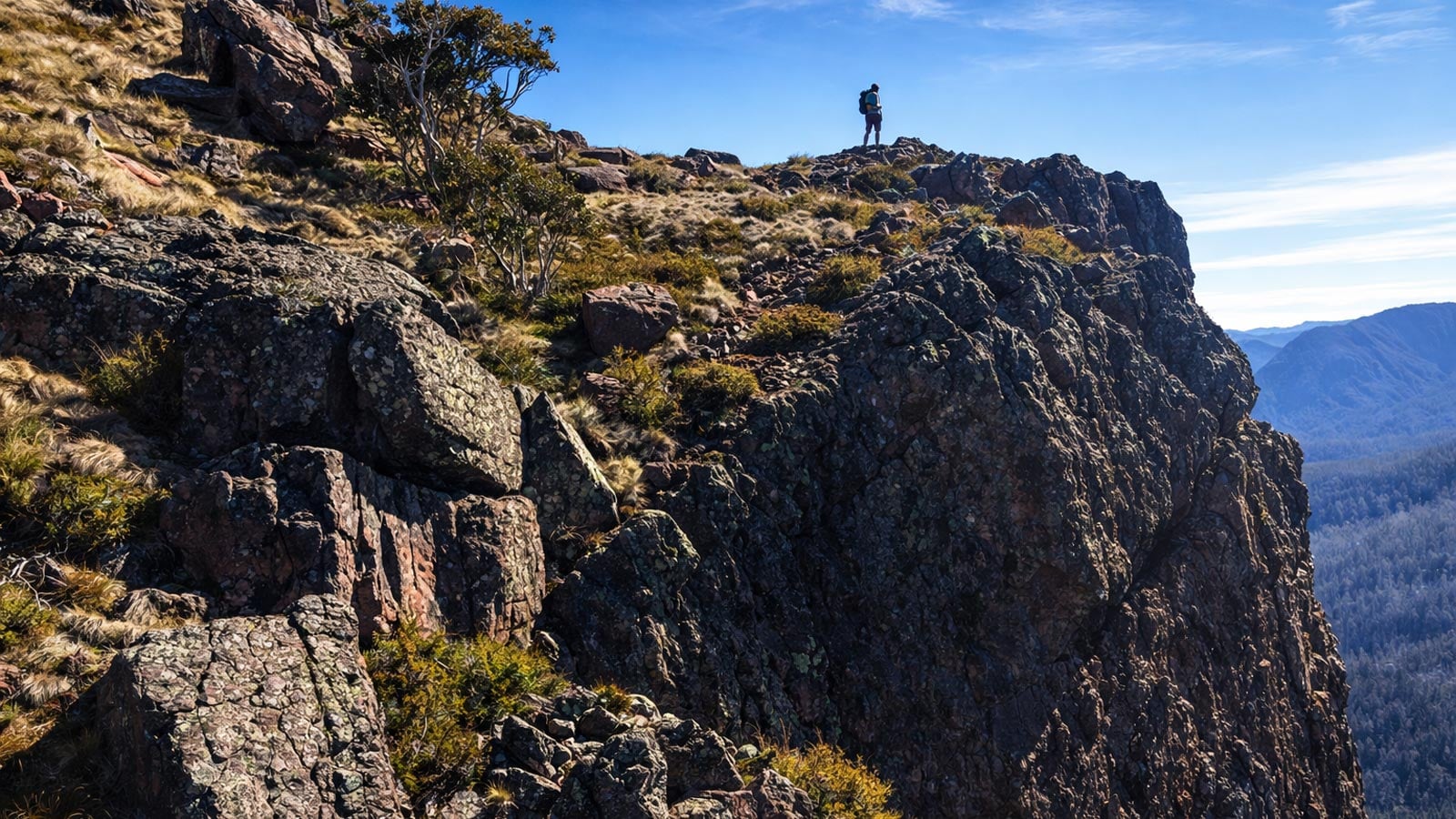
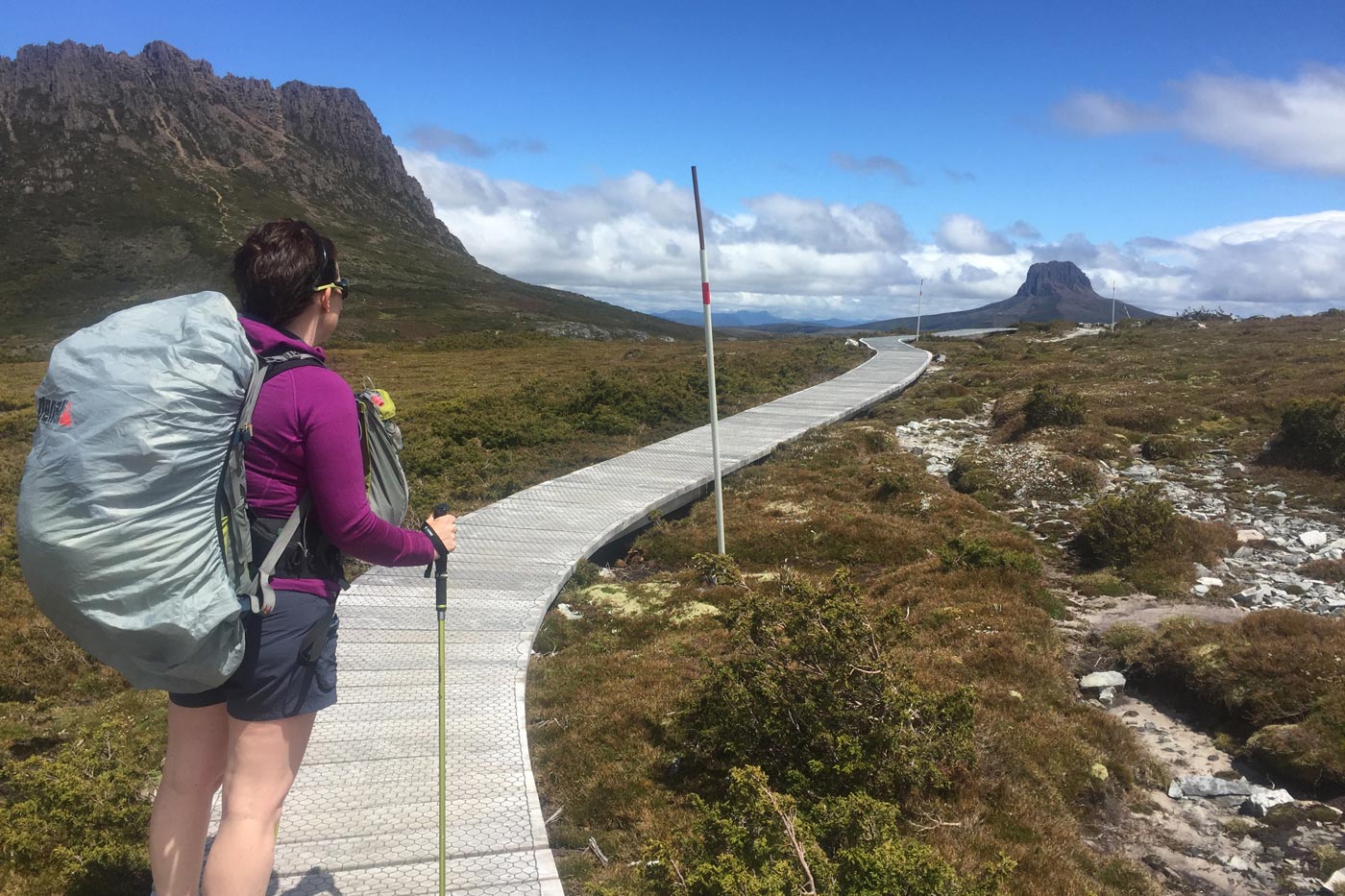
Adding a person to a landscape helps provide scale, context, and a sense of story. A lone hiker on a ridgeline, someone pausing at a lookout, or a figure moving through forest can help the viewer understand what the place feels like to be in.
The human element doesn’t need to dominate the frame. Often, smaller figures placed thoughtfully within the scene create stronger images than close-up portraits.
Pay attention to framing and balance
Composition is about how elements sit within the frame and relate to each other. Before pressing the shutter, take a moment to look at the edges of your image. Ask yourself what adds to the story and what distracts from it.
Natural features such as tree branches, rock walls, or overhanging cliffs can be used to frame a scene and draw attention toward the main subject. Balanced images often feel calmer and more deliberate, especially in complex environments.
Use leading lines to guide the eye
Tracks, rivers, ridgelines, boardwalks, and even shadows can act as visual pathways through an image. These leading lines help guide the viewer’s eye toward a point of interest and create a sense of depth.
When hiking, look for lines that naturally exist in the landscape rather than trying to force them. Positioning yourself slightly left or right, or lowering your viewpoint, can dramatically change how lines interact within the frame.
Apply the rule of thirds thoughtfully
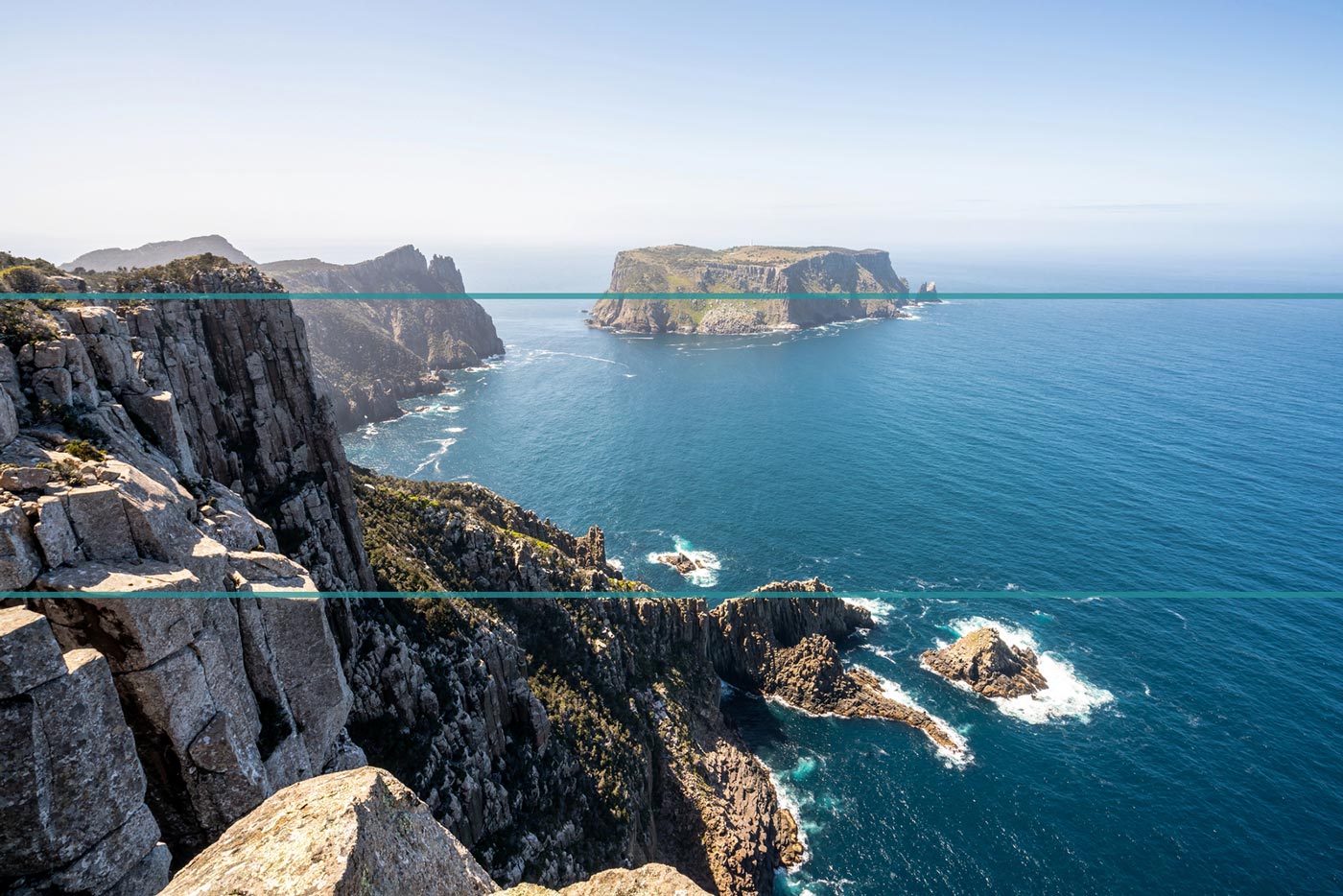
The rule of thirds is a simple way to create balance by dividing the frame into a grid of nine equal sections. Placing key elements along these lines or at their intersections often results in a more natural-looking composition.
This doesn’t mean every photo must follow the rule. It’s a guide, not a rulebook. Once you understand it, you’ll also know when breaking it creates a stronger image.
Work with light, not against it
Light shapes the mood of a photograph. Early mornings and late afternoons often produce softer, warmer light that enhances texture and depth. Midday light can be harsher, but it can still work well for details, patterns, and forest scenes.
When hiking, observe how light moves across the landscape. Sometimes waiting a few minutes for clouds to shift or shadows to fall can completely change the feel of a scene.
Look for small details as well as big views
Not every meaningful photo needs to be a sweeping vista. Details such as weathered rock, trail markers, footprints, leaves, or flowing water can help tell the story of a walk just as effectively.
These smaller scenes often work best when the composition is simple and uncluttered. Isolating a detail helps it stand on its own rather than competing with the surrounding environment.
Use the terrain to your advantage
Every landscape offers different compositional opportunities. Sloping ground, layered ridgelines, narrow gorges, and open plains all influence how an image comes together.
Changing your position by a few steps, crouching lower, or climbing slightly higher can reveal angles that weren’t obvious at first glance. The best compositions often come from exploring the immediate area rather than shooting from the track alone.
Slow down and observe
Strong compositions rarely come from rushing. Taking time to stop, look around, and observe how elements interact within a scene often leads to more considered images.
This approach aligns naturally with safe and mindful hiking. Photography becomes part of the experience rather than a distraction from it.
Final thoughts
Photography composition is a skill developed through practice and awareness, not shortcuts. The more time you spend hiking and observing how landscapes change with light, weather, and movement, the more instinctive composition becomes.
You don’t need to capture everything. Focus on moments that reflect how the walk felt, not just where it went. Over time, those images become far more meaningful than any perfectly framed shot taken in a hurry.