Smartphone or Dedicated Camera?
One of the most common photography questions hikers ask is not about composition, settings, or lenses.
It is much simpler than that.
What camera should I actually carry on a hike?
For hikers, this decision is rarely about image quality alone. On the trail, every choice comes with trade-offs.
Weight. Speed. Battery life. Weather exposure. Safety. Even how the hike itself feels.
This guide looks at the main camera options for hiking and the real-world pros and cons of each, with a specific focus on Australian hiking conditions.
The question that matters most
Before thinking about camera types, it helps to ask a more important question:
Am I hiking to take photos, or taking photos while hiking?
If photography is the primary goal, you will tolerate more weight, more stops, and more setup time.
If hiking is the priority, convenience, speed, and safety usually matter far more.
Most hikers sit somewhere in the middle. That is where the decision becomes genuinely difficult.
A quick comparison for hikers
| Camera type | Best for | Main trade-off |
| Smartphone | Lightweight hiking, landscapes, quick moments | Battery use and limited wildlife reach |
| Premium compact | Image quality without full system weight | Still another device to manage |
| Mirrorless / DSLR | Wildlife, creative control, planned photography trips | Weight, speed, and mental load |
If you want more detail, read on.
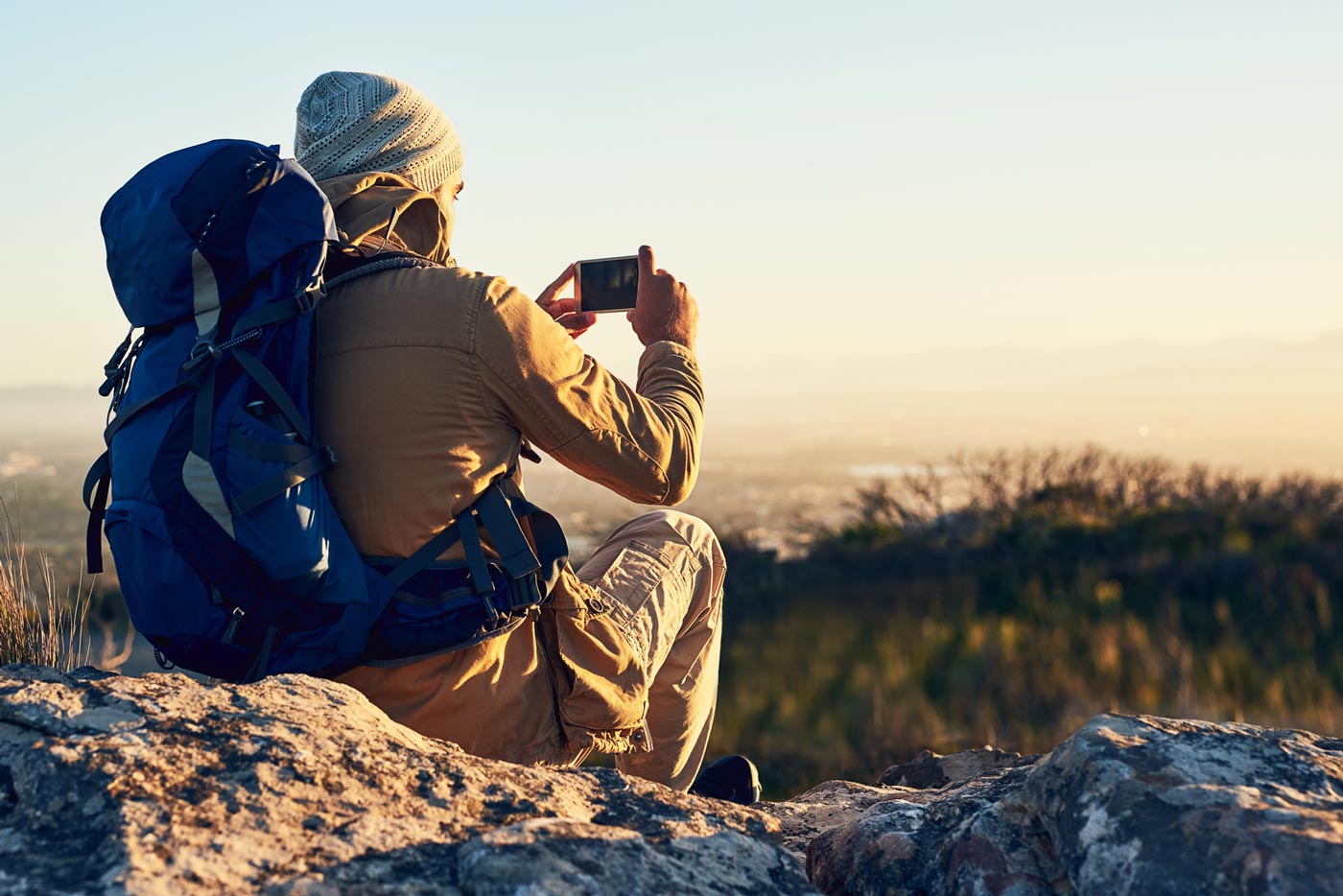
Smartphone cameras
For many hikers today, a smartphone is the camera they already carry. Modern phones are extremely capable and, in the right conditions, can produce excellent results.
Pros
- Always with you
- Instant access
- No extra weight
- Strong low-light performance
- Increasingly weather-resistant
Cons
- Limited optical zoom
- Less creative control
- Heavy battery use
- Wildlife photography is very limited
Battery anxiety and safety
This is where smartphones can become a liability in the Australian bush.
Your phone is often your:
- GPS and navigation tool
- Emergency communication device
- Offline map storage
Using it for hundreds of photos or extended video, especially 4K, can drain the battery far faster than expected.
Practical tip:
If you rely on your phone for navigation, always carry a quality power bank. Alternatively, using a dedicated camera can actually preserve your phone battery for safety-critical tasks.
When I upgraded my phone again, I realised I was taking more photos, not fewer, and enjoying the hike more at the same time. Modern smartphones perform exceptionally well for hiking photography, particularly for landscapes and low-light scenes, but their battery use still needs to be managed deliberately.
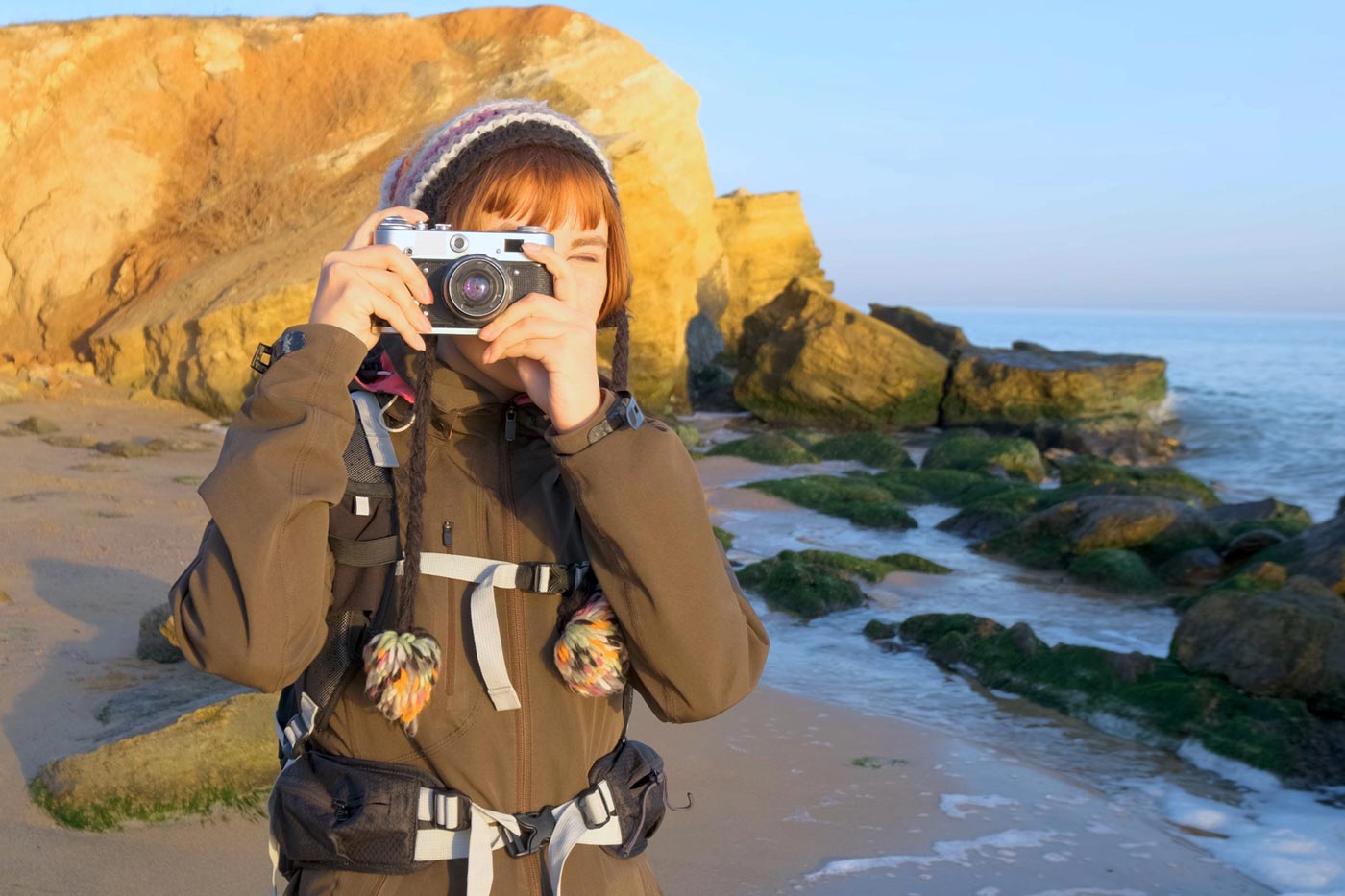
Compact cameras (where they still make sense)
The compact camera category has changed significantly.
Cheap point-and-shoot cameras are effectively obsolete. Modern smartphones have surpassed them in almost every way.
Where compact cameras do still make sense is at the higher end.
Pros
- Better image quality than a phone
- Larger sensors than most smartphones
- Dedicated camera ergonomics
- Lightweight compared to full systems
Cons
- Another device to carry
- Limited zoom compared to interchangeable systems
- Less convenient than a phone
Premium compact cameras with larger sensors are one of the few categories that still clearly outperform smartphones. For hikers who want better image quality without committing to a full camera system, they can be a sensible middle ground.
For everyone else, a phone is usually the more practical choice.
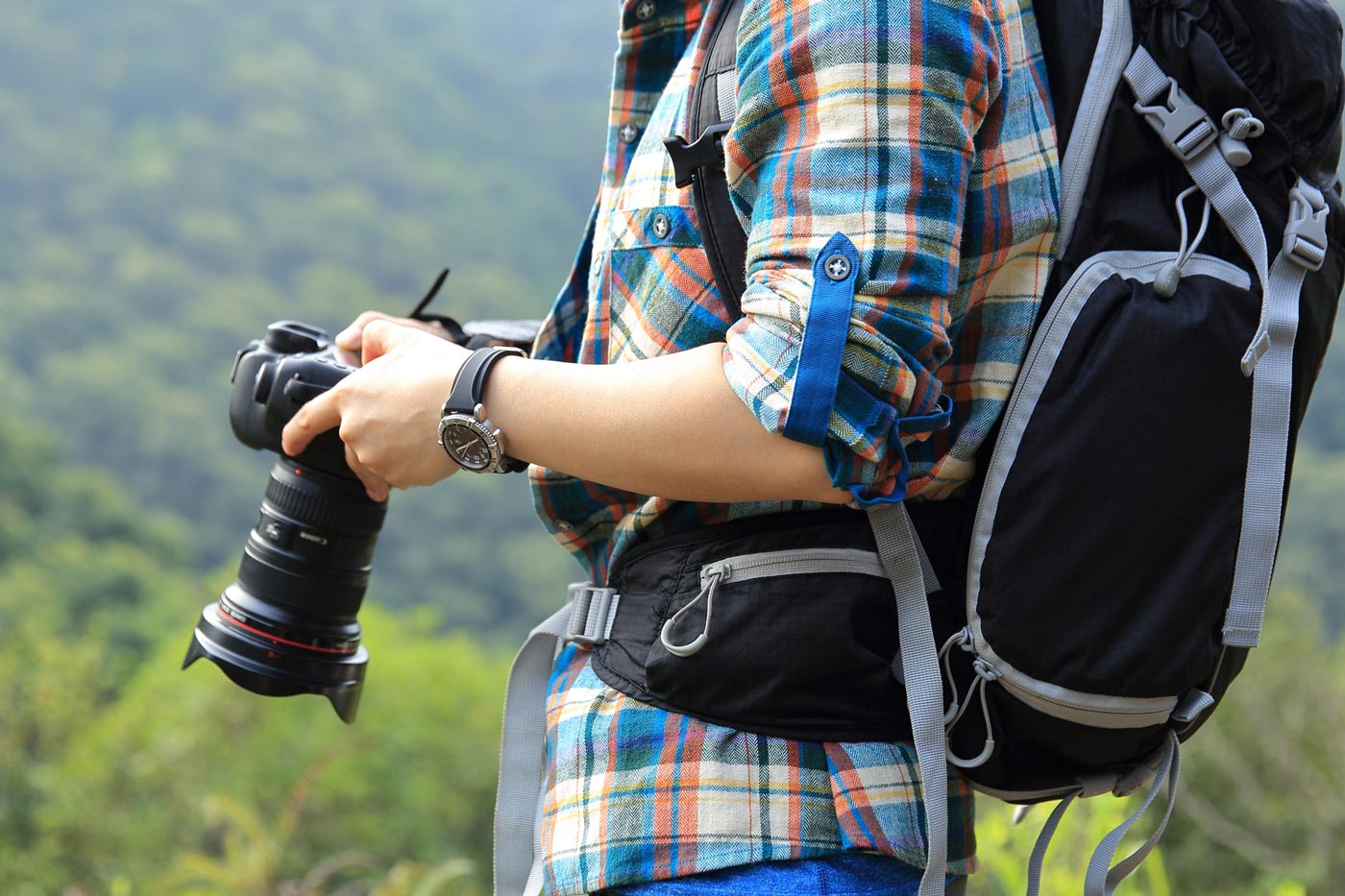
Interchangeable-lens cameras (mirrorless and DSLR)
This is where image quality and creative control reach their highest potential. It is also where trade-offs become most noticeable on the trail.
Pros
- Highest image quality ceiling
- Full creative control
- Essential for wildlife photography
- Better performance in difficult light
- Robust weather sealing on higher-end bodies
Cons
- Extra weight
- Slower access if poorly carried
- More gear to manage
- Can change the rhythm of a hike
I moved from a smartphone to a mirrorless camera system with multiple lenses, expecting a clear upgrade in my hiking photography.
The image quality did improve.
The experience did not always.
Carrying extra gear changed how I moved through the landscape. I found myself stopping more often, taking the pack off, choosing lenses, and sometimes watching the moment pass before I even had the camera out. At times, it felt like I was managing equipment instead of simply moving through the bush.
That trade-off is worth it for some trips. Not for all.
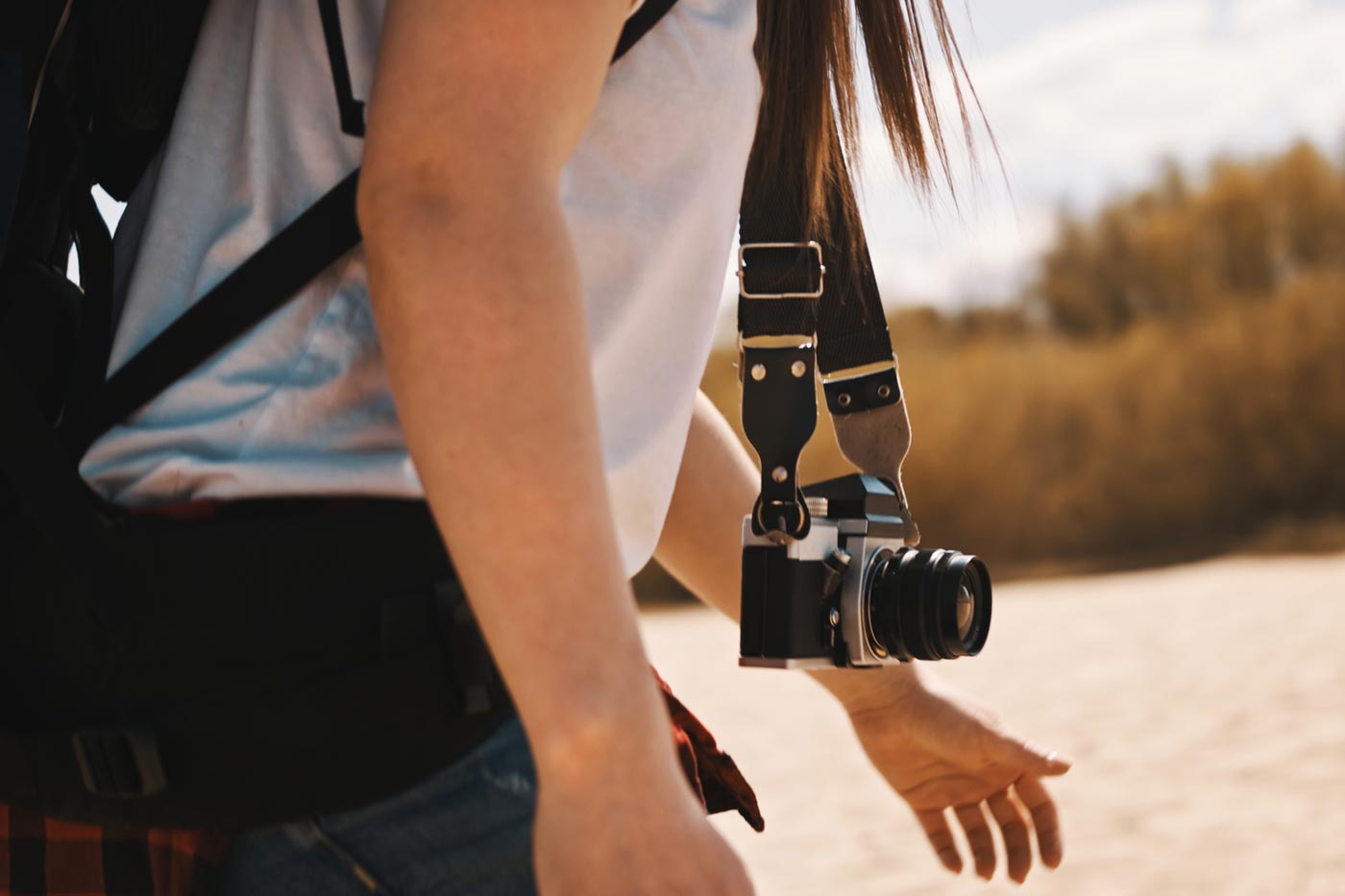
Carry method matters more than the camera
One reason dedicated cameras feel “friction-heavy” is because many hikers carry them inside their pack.
If a camera is in your backpack, it often does not get used.
Chest-mounted solutions, such as shoulder strap clips like the Peak Design Capture Clip or small chest pouches, dramatically change the experience. A mirrorless camera carried on the shoulder strap feels far lighter, is quick to access, and is no slower than pulling out a phone.
If you are considering a dedicated camera, how you carry it matters as much as what you carry.
Weather and durability in Australian conditions
Australian hiking conditions are rarely gentle.
Dust in the Red Centre.
Humidity in the Top End.
Persistent rain in Tasmania.
Smartphones
- Increasingly water-resistant
- Generally cope well with rain and dust
- Still vulnerable to prolonged exposure
Dedicated cameras
- Weather sealing varies significantly
- Higher-end mirrorless bodies are designed to survive rain, cold, and dust
- Cheaper compacts and entry-level cameras can be more fragile than phones
If you hike in harsh or unpredictable weather, durability should be part of your decision, not an afterthought.
The strongest case for a dedicated camera: wildlife
This is where smartphones still fall short.
If you want to photograph:
- Wedge-tailed Eagles
- Lyrebirds
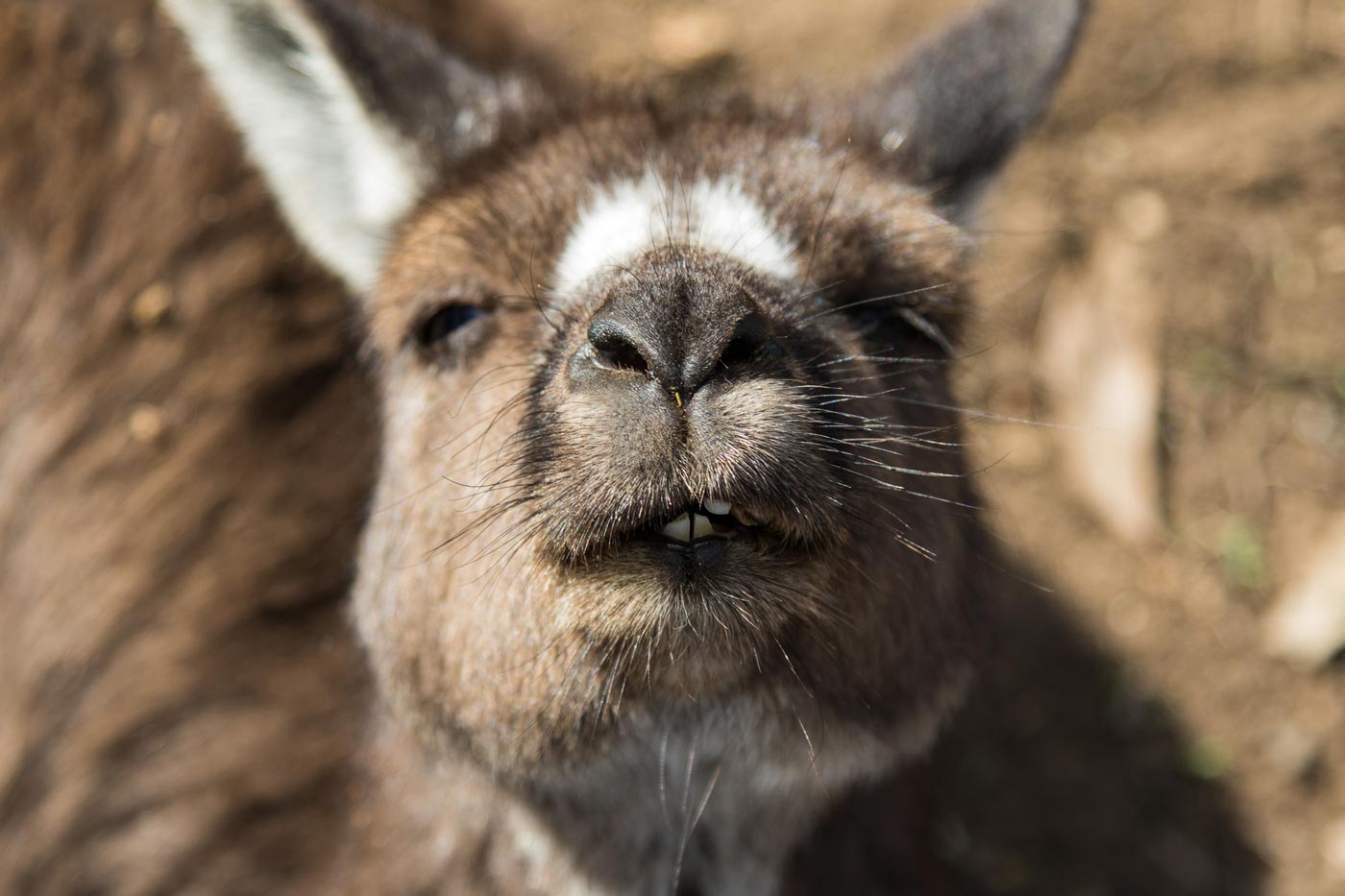
- Kangaroos at a distance
- Any shy or fast-moving wildlife
A smartphone will almost always struggle.
Dedicated cameras with longer lenses are still unmatched for wildlife photography. If capturing wildlife is a priority, a camera system becomes far easier to justify.
A simple decision guide
- If hiking is the priority: A smartphone is usually the best choice.
- If photography matters but stays secondary: A smartphone or premium compact makes sense.
- If wildlife photography is important: A dedicated camera system is difficult to replace.
- If trips are planned around photography: Interchangeable-lens cameras are worth the trade-offs.
Final thoughts
It is easy to assume better photos come from better gear.
On the trail, better photos often come from:
- Being ready
- Carrying lightly
- Managing battery and safety
- Staying present in the landscape
For many hikers, modern smartphones are more than enough. For others, carrying a dedicated camera is part of the joy and purpose of the trip.
The right choice is the one that fits how you hike, not how a spec sheet says you should shoot. For me, the best camera on a hike is the one that lets the hike stay the main event.
What camera setup lets you enjoy the hike most, and what do you usually reach for on the trail? Phone or dedicated camera?




Great review. 30yrs ago I carried 14kg of film DSLR including alt lens, pelican case, full sized tripod and there were no mobile phones or PLBs. 15 years ago I carried an Olympus Tough compact camera with filters and mini tripod. On day hikes I take a Nikon P1000 super zoom for wildlife. On extended walks I just take iPhone 16pro and mini tripod. This combo allows Astro/Aurora and low light photos, great macro, landscapes and yes doesn’t zoom that well. Pic is of Gang-gang cockatoos from iPhone taken while cycling to work this morning. The best camera is sometimes the one you have with you.Media: https://www.facebook.com/photo.php?fbid=10101457226294175&set=p.10101457226294175&type=3
Darren Hocking that’s a lot of gear to carry around. I remember the days of film well. Things certainly have changed. Great shot of the Gang Gangs, I haven’t seen many of them around lately. Maybe I’m just not in the right area. Totally agree with your last note, the best camera is the one you have with you.
Trail Hiking Australia 14kg camera kit, 23kg solo hiking gear for a week, plus a good drop was a slow start to get to base of Eastern Arthurs! Fed Pk was worth it though.
Darren Hocking that certainly is a decent load. Glad it was well worth it.
Once you add astro photography and hiking together, dedicated gear is a must, as such there is no light load (especially if shooting both a star trail & milkyway with double equipment required plus the star tracker)! Constantly trying to figure out how to lighten load, as hiking with a heavy pack can barely lift is not all that pleasant on any incline!!!
Rach Hemsworth astro is something I’ve always been fascinated by, but have never really tried properly.
I do all my pictures for my YT channel with a pixel 8 pro. I do have a nikon p900 if i ever wanted to zoom in to things. Haven’t taken it with me though
We are spoilt for choice.
One of my customers used to lug a large format camera and tripod into the wilderness to capture iconic images of the Tasmania wilderness.
That was the only way not that long ago.Media: https://www.facebook.com/photo.php?fbid=10162377835651074&set=p.10162377835651074&type=3
Chris De Zube love those old cameras. My dad used to have a small collection of them.
I’m having this dilemma at the moment! I love photography and I’m getting stories published about my hikes, but I feel like the smart phone lets me down at times. With wildlife, as you mentioned, and in low light / bright light – capturing alpine vistas for example. Looking at a a canon powershot or similar. Is this what you mean by compact camera?
Lisa Gilbert Yep, that’s exactly what I mean by a compact camera. And you’re not alone, that’s a really common spot to be in.
Smartphones are great, but they do hit limits with wildlife and tricky alpine light, especially when you’re dealing with bright snow, deep shadows, or fast-changing conditions. A higher-end compact can give you better dynamic range and a bit more reach without jumping straight to a full camera system.
The big thing is being honest about the trade-off. You’ll get more flexibility and control, but it’s still another bit of gear to carry and manage. For some people that’s a good middle ground, for others it’s the step that eventually leads to a mirrorless setup.
If you’re already getting stories published and photography is part of the purpose of your hikes, a quality compact can make a lot of sense. Just make sure it’s something you’ll actually carry and use, not leave in the pack like I did with my mirrorless camera.