Protecting ecosystems, extending gear life, and improving trail safety
Cleaning your hiking gear is often framed as an environmental responsibility or something you do only when gear looks visibly dirty. In my experience, regular cleaning is one of the simplest and most effective ways to protect the places we walk, extend the life of our equipment, and reduce safety risks on the trail.
And when we talk about gear, we are not just talking about boots.
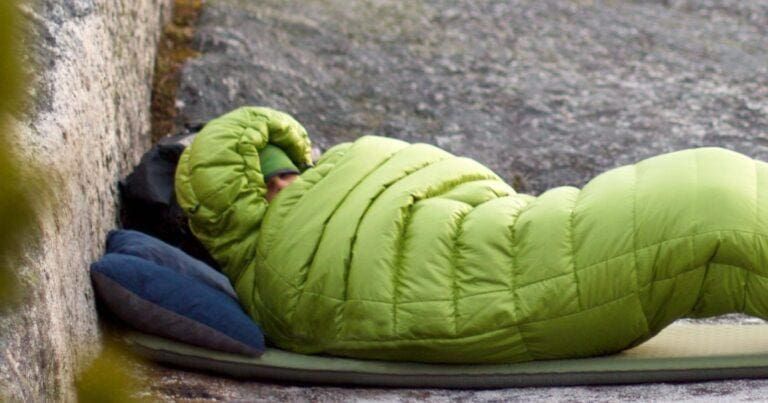
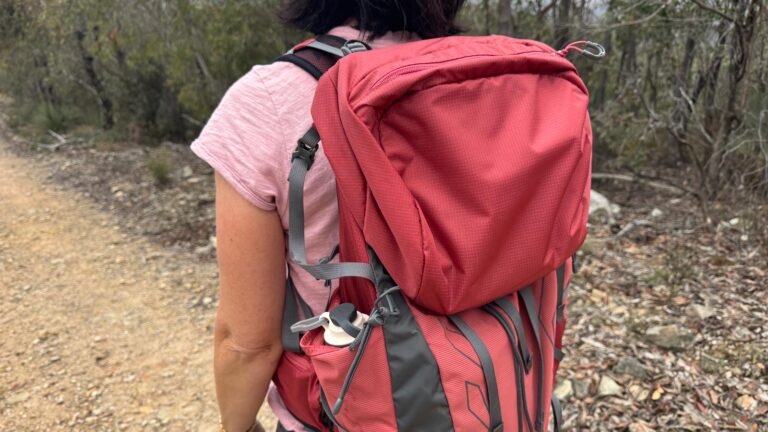
Soil, seeds, moisture, grit, and contaminants can cling to packs, hiking poles, gaiters, clothing, cookwear, safety equipment, tent floors, pegs, and even vehicle floor mats. Anything that touches the ground or moves between locations can become a vector for environmental damage, gear failure, or the spread of disease. I think of cleaning as a form of care, awareness, and stewardship for the places I walk.
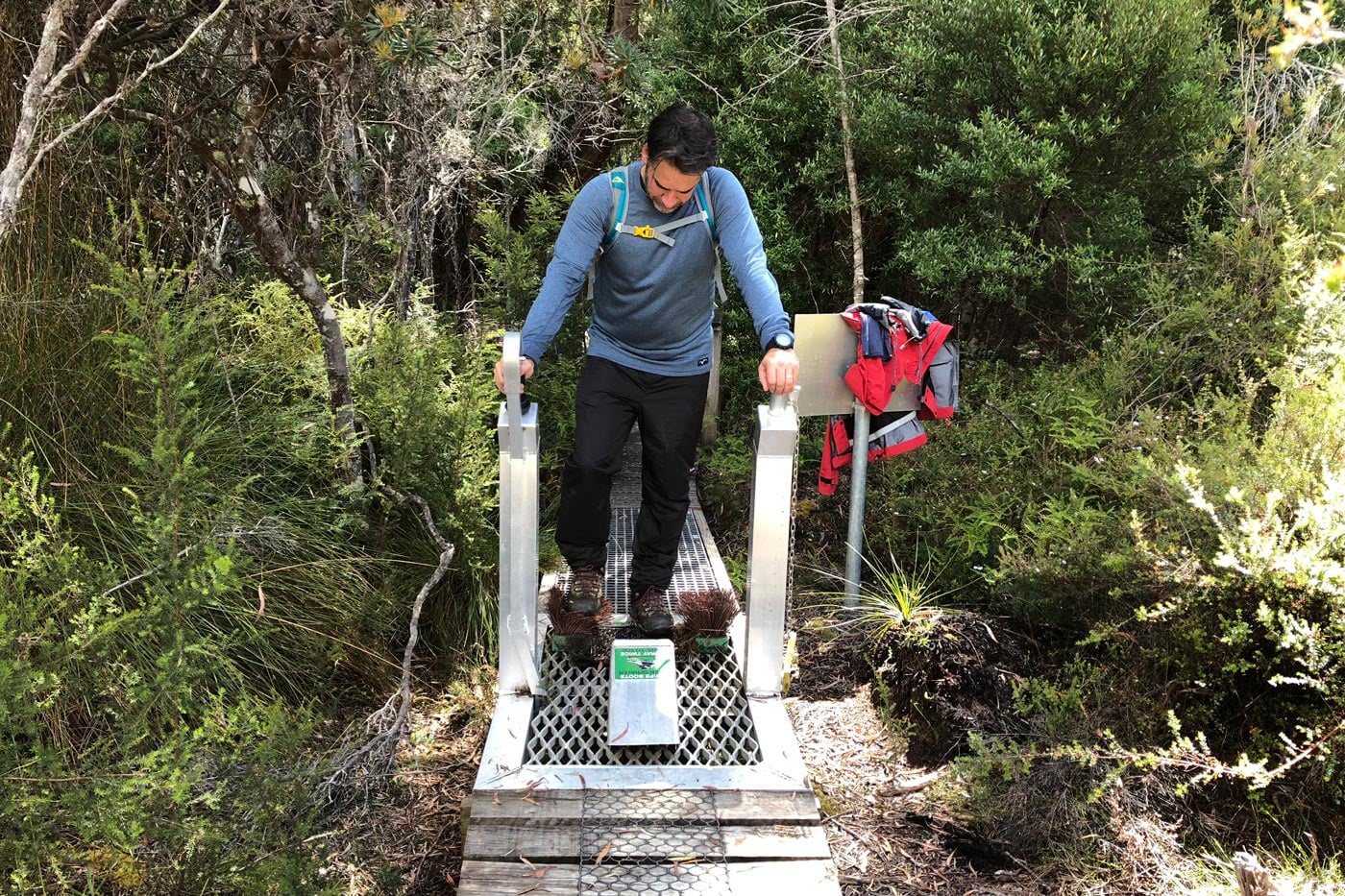
It protects fragile ecosystems
One of the most important reasons I clean my gear is to prevent the spread of soil-borne pathogens, weeds, and invasive species.
Diseases such as Phytophthora cinnamomi, commonly known as cinnamon fungus, are spread through tiny amounts of contaminated soil. That soil doesn’t just live on boot soles. It collects on pack bases, trekking pole tips, gaiters, clothing cuffs, tent floors, pegs, and anything placed on the ground.
Vehicles are also part of this equation. If you’ve driven on unsealed roads, muddy access tracks, or fire trails in affected areas, soil can build up in tyres, wheel arches, and underbody components. The transition from trailhead to driveway is often where the greatest movement of soil happens.
Simple actions like brushing soil off gear, rinsing mud away, and letting equipment dry fully can significantly reduce the risk of spreading contamination.
It extends the life of your gear
Dirt is not harmless. Once it dries, it becomes abrasive.
Fine grit works its way into seams, stitching, zips, pole locks, and fabric fibres. Every step you take grinds those particles deeper, slowly wearing gear from the inside out. Over time, this leads to:
- Frayed stitching
- Failing zips
- Delaminated soles
- Weak pack straps
- Jammed pole mechanisms
Leather boots are particularly vulnerable. Dried mud pulls moisture from leather, causing it to stiffen, crack, and lose flexibility. Regular cleaning followed by proper drying dramatically increases the lifespan of footwear and other equipment, and it’s one of the habits that quietly keeps gear reliable trip after trip.
It restores breathability and weather protection
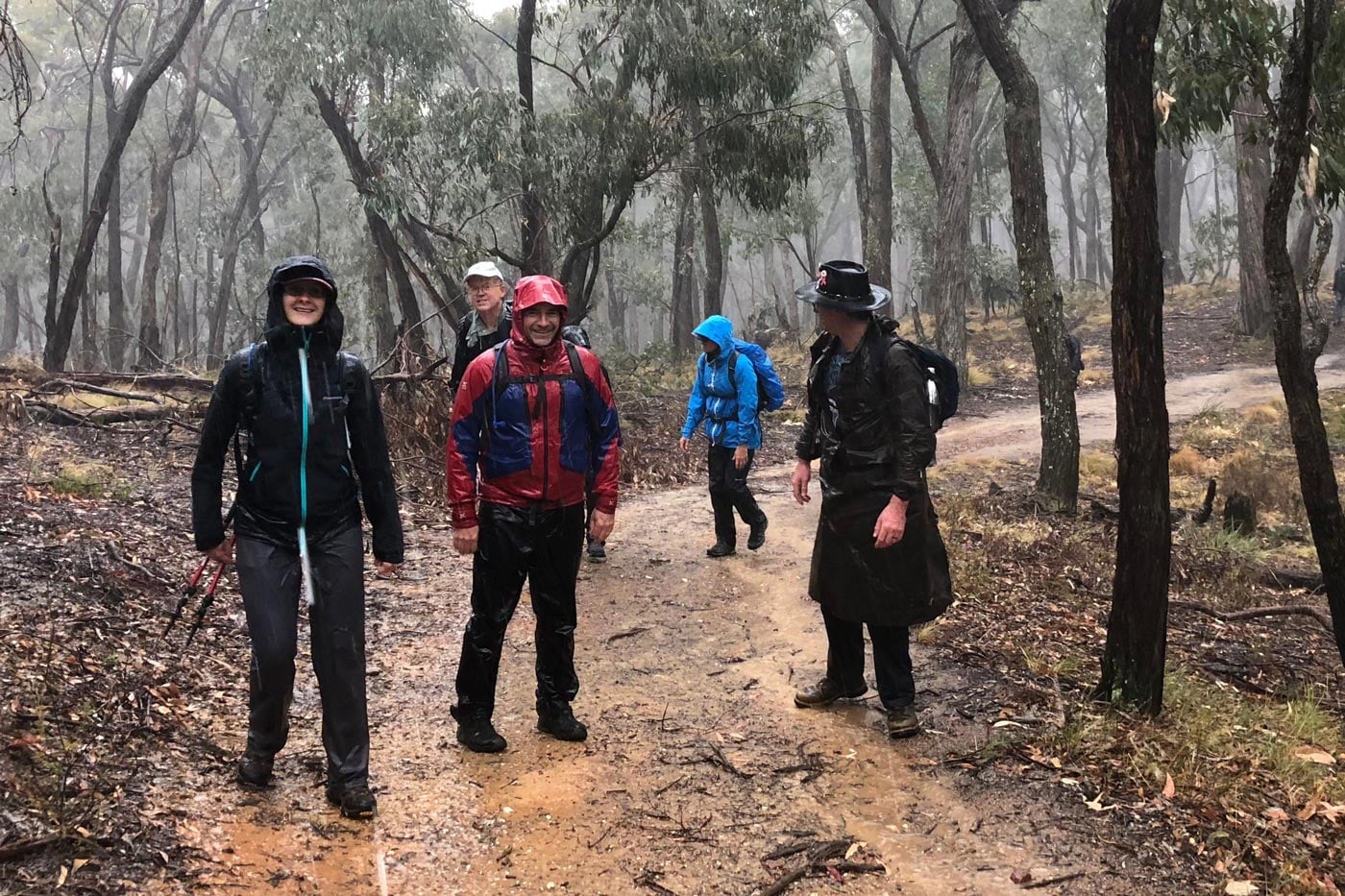
Many hikers notice that waterproof or breathable gear starts to feel clammy, heavy, or uncomfortable long before it wears out.
This usually has nothing to do with the membrane failing.
Dirt, oils, sunscreen, and sweat clog the microscopic pores of breathable fabrics and waterproof membranes. At the same time, the Durable Water Repellent (DWR) coating on the outer fabric becomes contaminated, causing the material to absorb water rather than shed it. This is known as “wetting out” and it stops sweat vapour escaping.
Cleaning is often the first and most important step in restoring performance, and even the best gear can’t perform as designed without it. In some cases, once gear is clean, reapplying a waterproofing or DWR treatment may be needed to fully restore water repellency.
It prevents mould, odours, and material breakdown
Storing damp or dirty gear is one of the fastest ways to destroy it.
Mould and mildew can begin growing within 24 to 48 hours, particularly in packs, tents, clothing, and footwear stored in enclosed spaces. Beyond unpleasant smells, mould can weaken fibres, damage coatings, and permanently stain fabrics.
Food residue is another often overlooked issue. Even small crumbs in the bottom of a pack or a spill on a tent floor can attract rodents or insects in storage. Damage caused by wildlife is often far more destructive and difficult to repair than normal wear and tear.
Cleaning and thoroughly drying gear before storage helps prevent long-term damage and keeps equipment ready for the next trip.
It helps you spot problems early
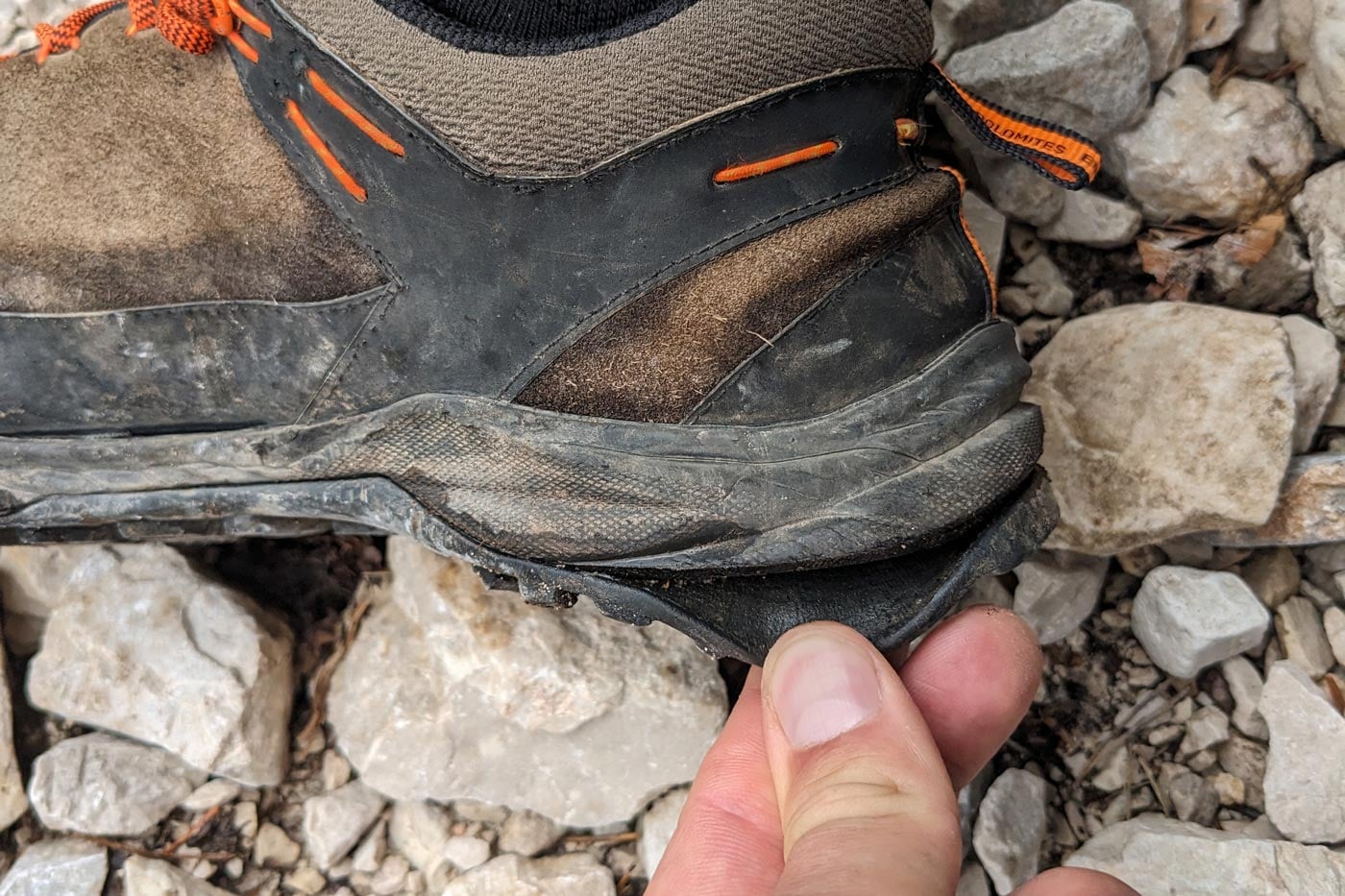
Cleaning forces you to slow down and actually look at your gear.
This is often when I notice things like:
- A sole starting to separate
- A frayed strap or lace
- A cracked pole tip
- A small tear in a jacket or tent
- A failing buckle or zip
Finding these issues at home is far better than discovering them in poor weather, remote terrain, or fading daylight.
In this way, cleaning becomes a quiet but highly effective safety check.
Coastal and saltwater environments matter too
If you hike near the coast, salt deserves special attention.
Salt crystals are abrasive and corrosive. Left untreated, they can damage zippers, metal eyelets, buckles, and stitching, and accelerate corrosion in trekking poles and tent hardware. Salt can also stiffen fabrics and reduce the lifespan of waterproof coatings.
Rinsing salt off gear after coastal walks is just as important as rinsing off mud after inland hikes.
A simple habit with lasting benefits
Many land managers and environmental agencies summarise good gear hygiene with a simple routine: Check. Clean. Dry.
- Check your gear for soil, damage, and contamination
- Clean anything that has contacted mud, vegetation, salt, or water
- Dry everything thoroughly before storage or travel
You do not need specialised products or complex routines. Consistency matters far more than perfection.
Cleaning is part of stewardship
Caring for hiking gear isn’t separate from caring for the bush. The two are closely connected.
Every cleaned boot, pack, pole, tent peg, or vehicle mat is one less opportunity for damage to spread. Every check, rinse, and dry is an investment in safer trips, longer-lasting equipment, and healthier landscapes.
Good gear care comes down to being responsible, prepared, and respectful of the places that give us so much in return, and that’s the habit I try to keep after every trip.