The North Face Valley View Jacket: Field Tested
Rain gear is one of those categories where marketing claims only matter once the weather turns. In Australian conditions, that can mean humid drizzle, cold alpine rain, west coast storms, or sudden exposed ridgeline weather. A jacket might look impressive on a product page, but the real question is whether it keeps working under a pack, on the move, when the rain sets in.
The North Face supplied the Valley View Jacket for field testing. This review reflects my own experience using it in real hiking conditions.
Testing conditions
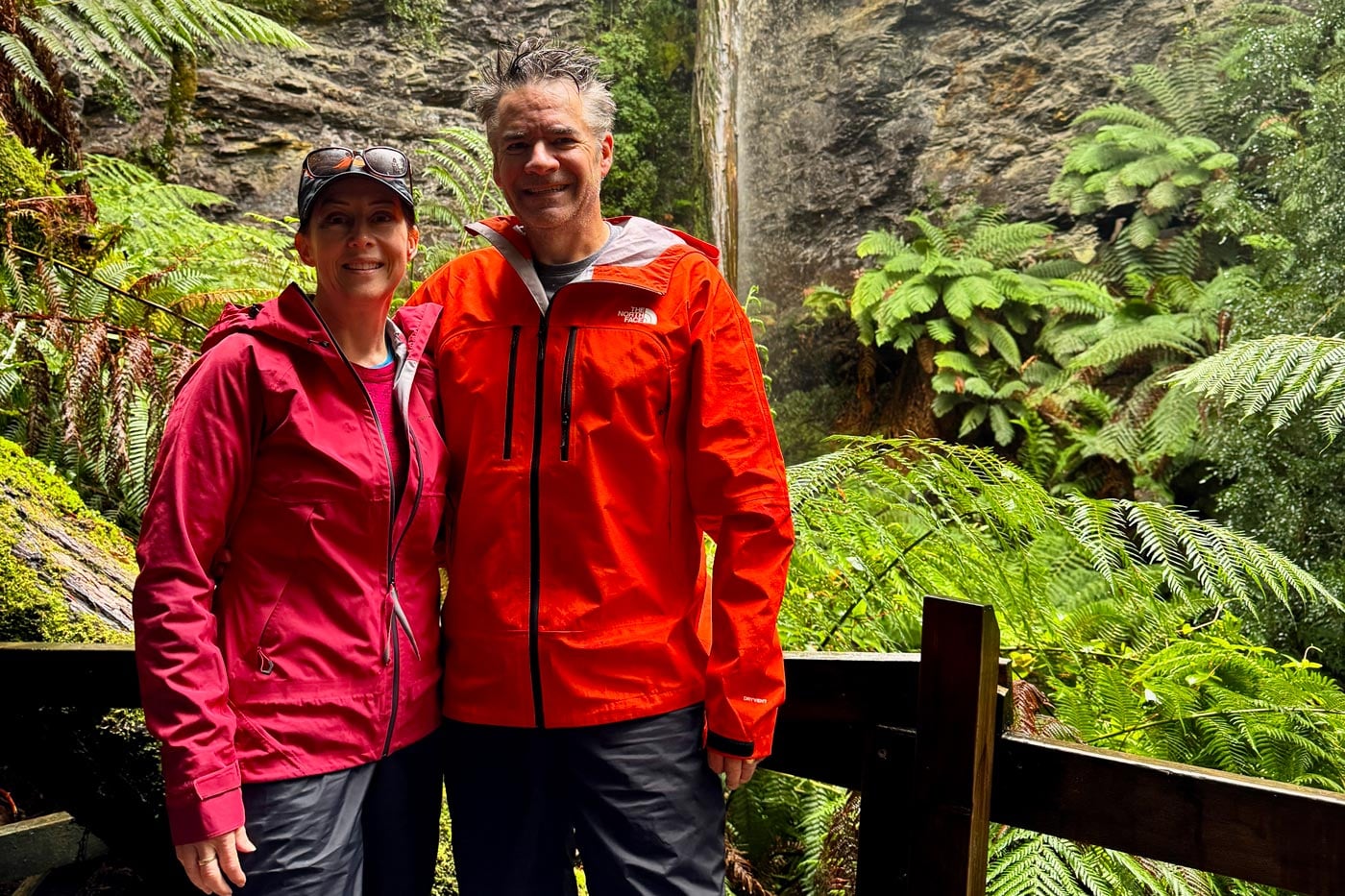
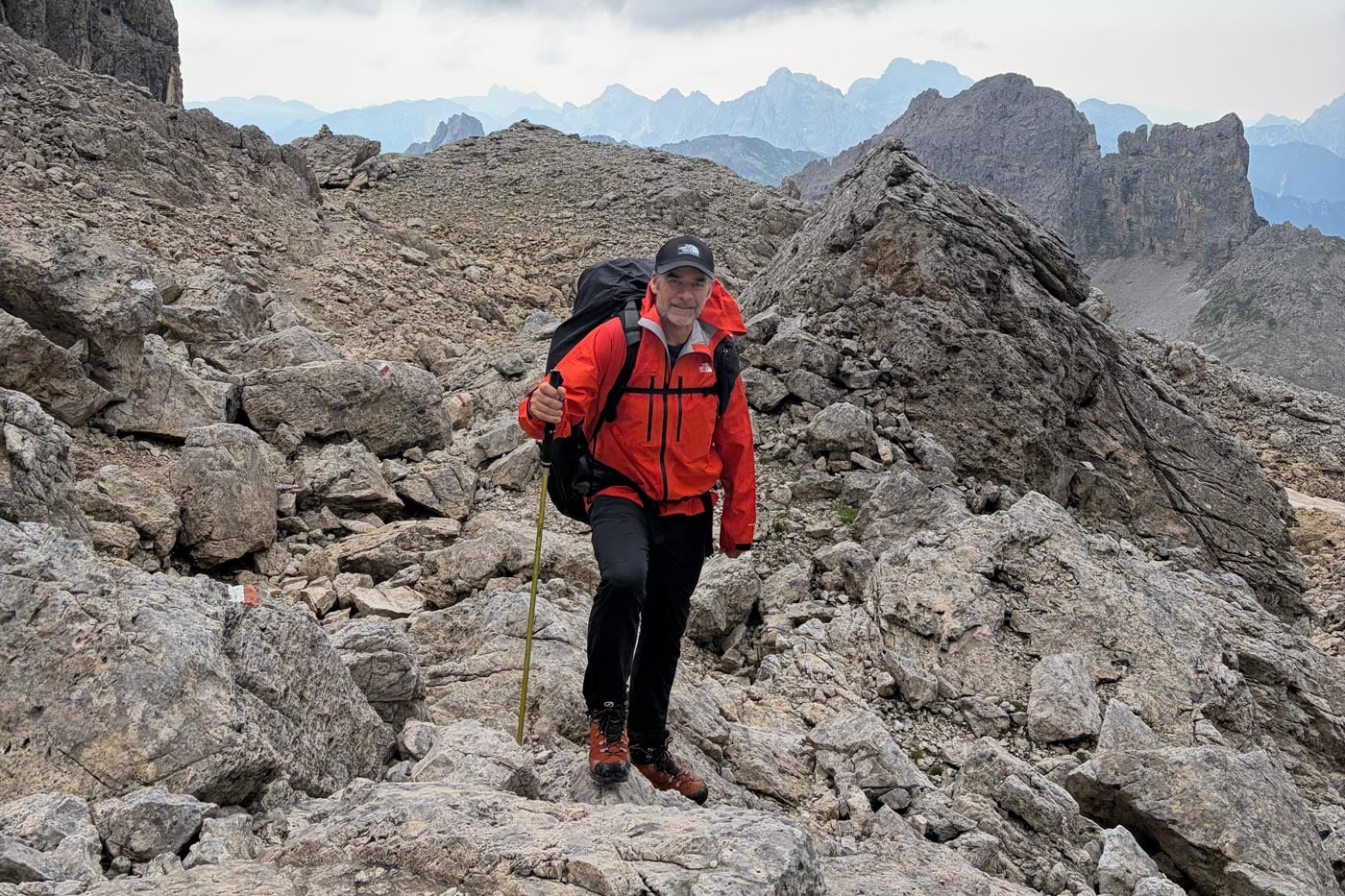
I’ve had the jacket for a few months now, and while local trips have been fairly dry, the real test came on a trip to takayna / the Tarkine in Tasmania and later in the Italian Dolomites. Between the two trips, I copped everything from light drizzle to thunderstorms, hail, and sustained heavy rain. The Dolomites leg in particular involved long, sustained climbs on via ferrata routes carrying a heavy pack, which is about as demanding a test as moisture management gets. It’s the kind of stress test that translates well to conditions you’d find on Tasmania’s west coast, in the Victorian Alps, or on exposed sections of Kosciuszko and the Blue Mountains.
Build and construction
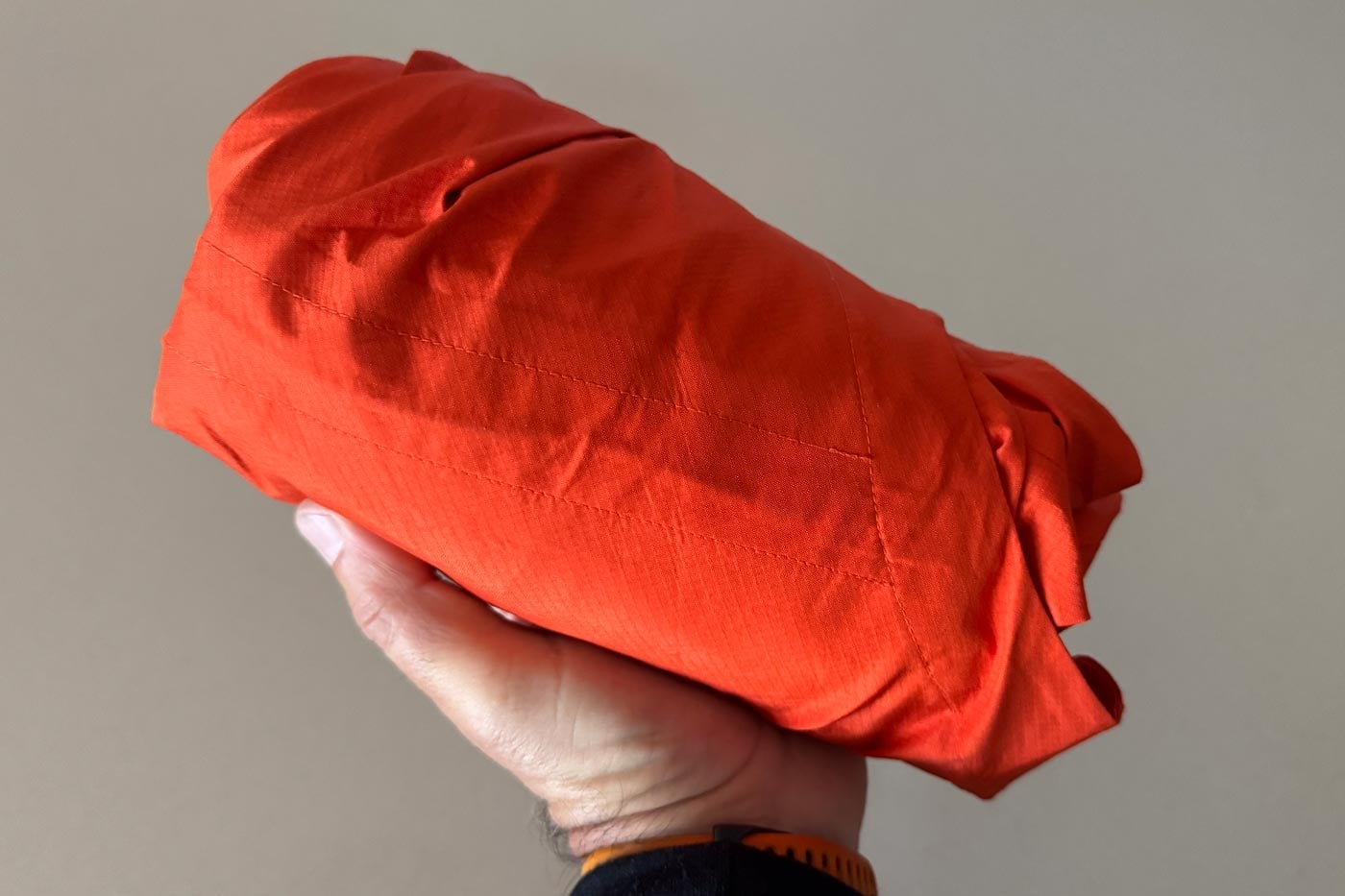
The Valley View is built around The North Face’s DryVent 3-layer shell, a waterproof, breathable fabric with a non-PFC DWR finish. The body fabric is 85% recycled polyester, with the hood, collar, and draft flap using a 100% recycled nylon lining. At 472 grams for a size L, it sits in the middle ground for a hardshell, not ultralight but not heavy either. The centre back length is 74.3cm, giving decent coverage without feeling like a trench coat.
That extra weight seems to be part of the jacket’s design intent. This is not a fragile emergency shell built purely to disappear in a pack. It feels more like a durable, regular-use rain shell designed to handle scrub, pack wear, rough tracks, and repeated use.
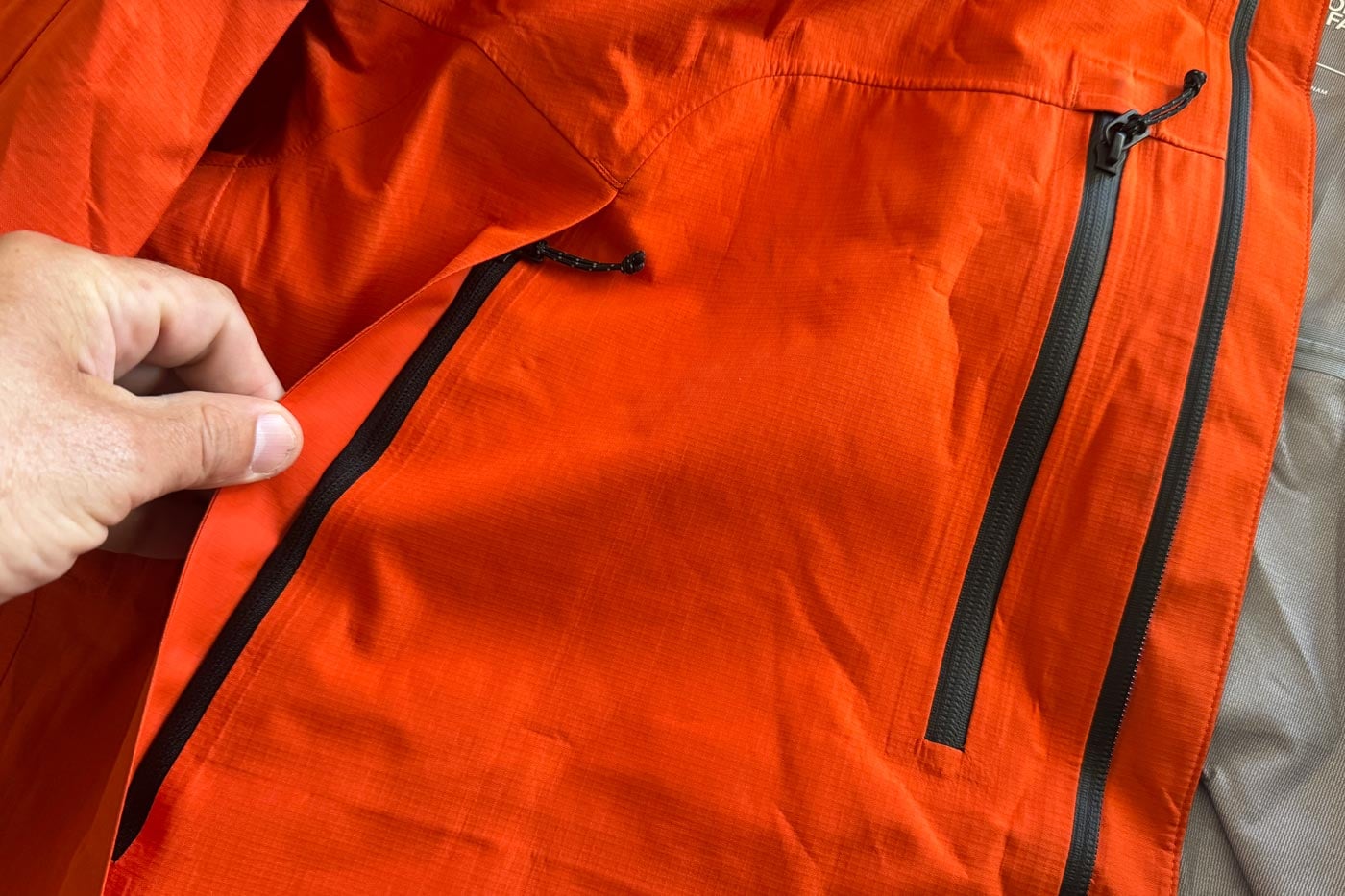
The front zip is an exposed, reverse-coil YKK AquaGuard FLATKNIT zip, and the same AquaGuard treatment is used on the chest pockets. Hand pockets use reverse-coil #3 zips. It’s a solid, no-nonsense build with nothing that felt flimsy after months of use.
The regular fit gives enough room for a fleece or light insulated layer underneath without feeling restrictive. That makes it more useful in cold rain, alpine conditions, or exposed Tasmanian weather than a tighter, more minimalist shell.
Rain and hail protection
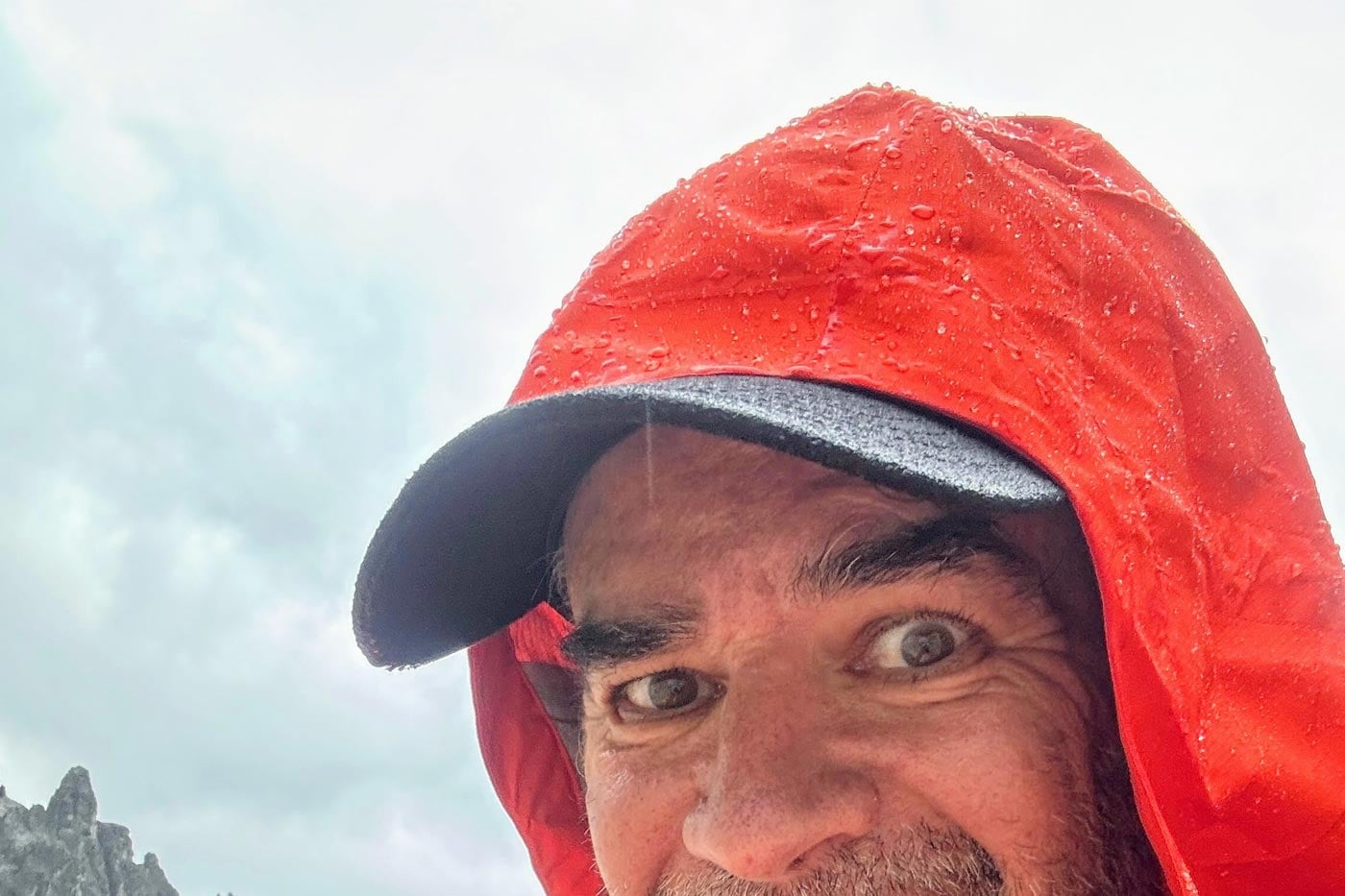
This is where the jacket did its best work. Through the storms in both the Tarkine and the Dolomites, the rain and hail didn’t get through during my testing. My mid-layer and base layer stayed dry the whole way, even during the heavier hail in the Dolomites, where the weight of the DryVent fabric actually worked in my favour, giving a bit more protection against the impact than a lighter shell would have.
Moisture management and breathability
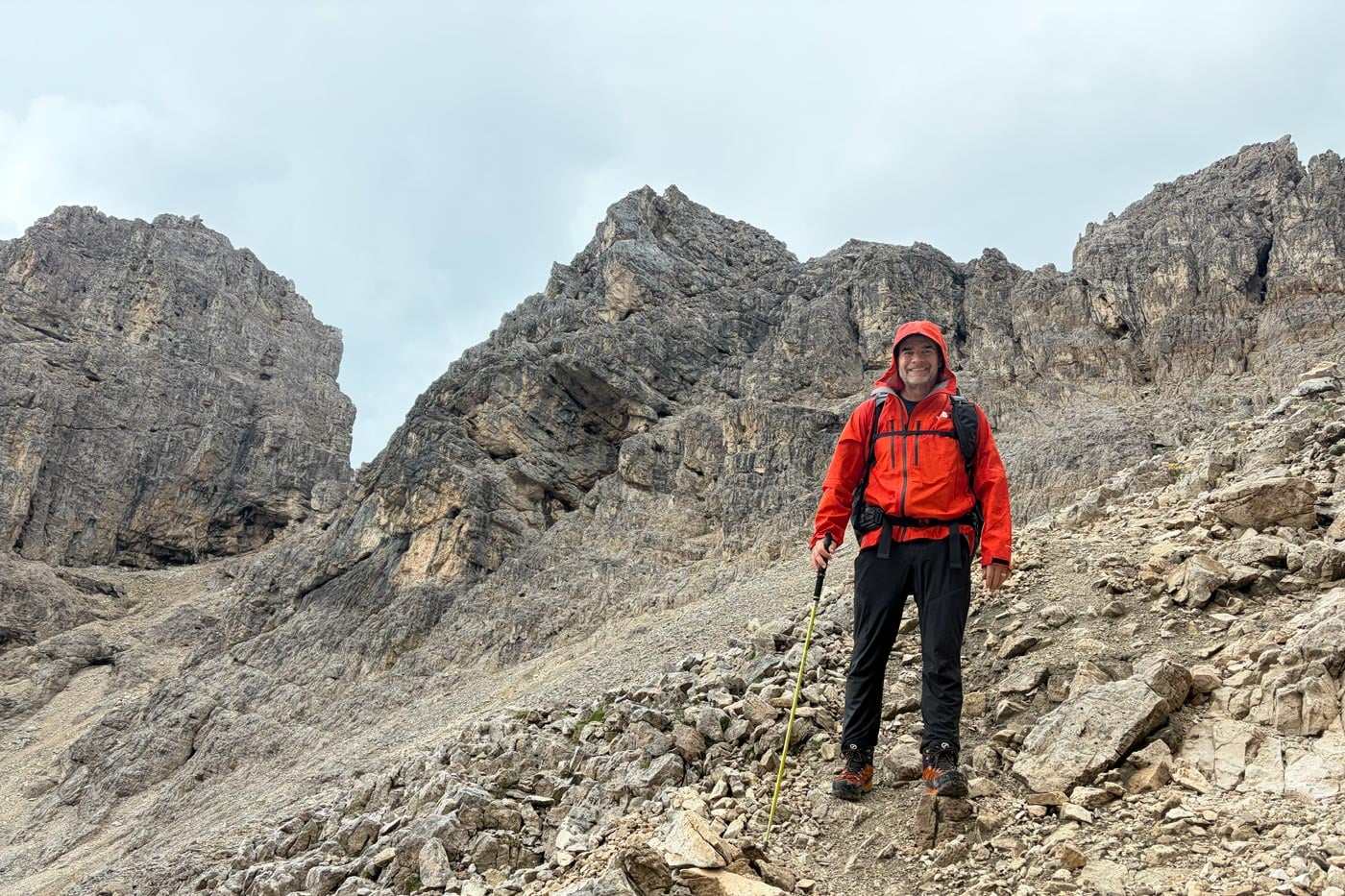
Carrying a heavy pack on sustained climbs is a proper stress test for breathability, and the underarm vents did their job. On the via ferrata sections in the Dolomites, they let enough warm air escape that I wasn’t building up sweat inside the jacket in the cooler air. That said, this is still a rain shell, and in warmer conditions under load I needed to take it off, same as with most rain gear in this category. No jacket manages that trade-off perfectly, and this one doesn’t try to pretend otherwise.
Hood and cuffs
The three-piece hood held its position well in the wind, and small adjustments to the rear cinch cord were enough to keep it settled through the storms. The bonded brim kept rain off my face, though there were times I had a peaked cap on underneath for extra coverage, more a personal habit than a shortcoming of the hood itself.
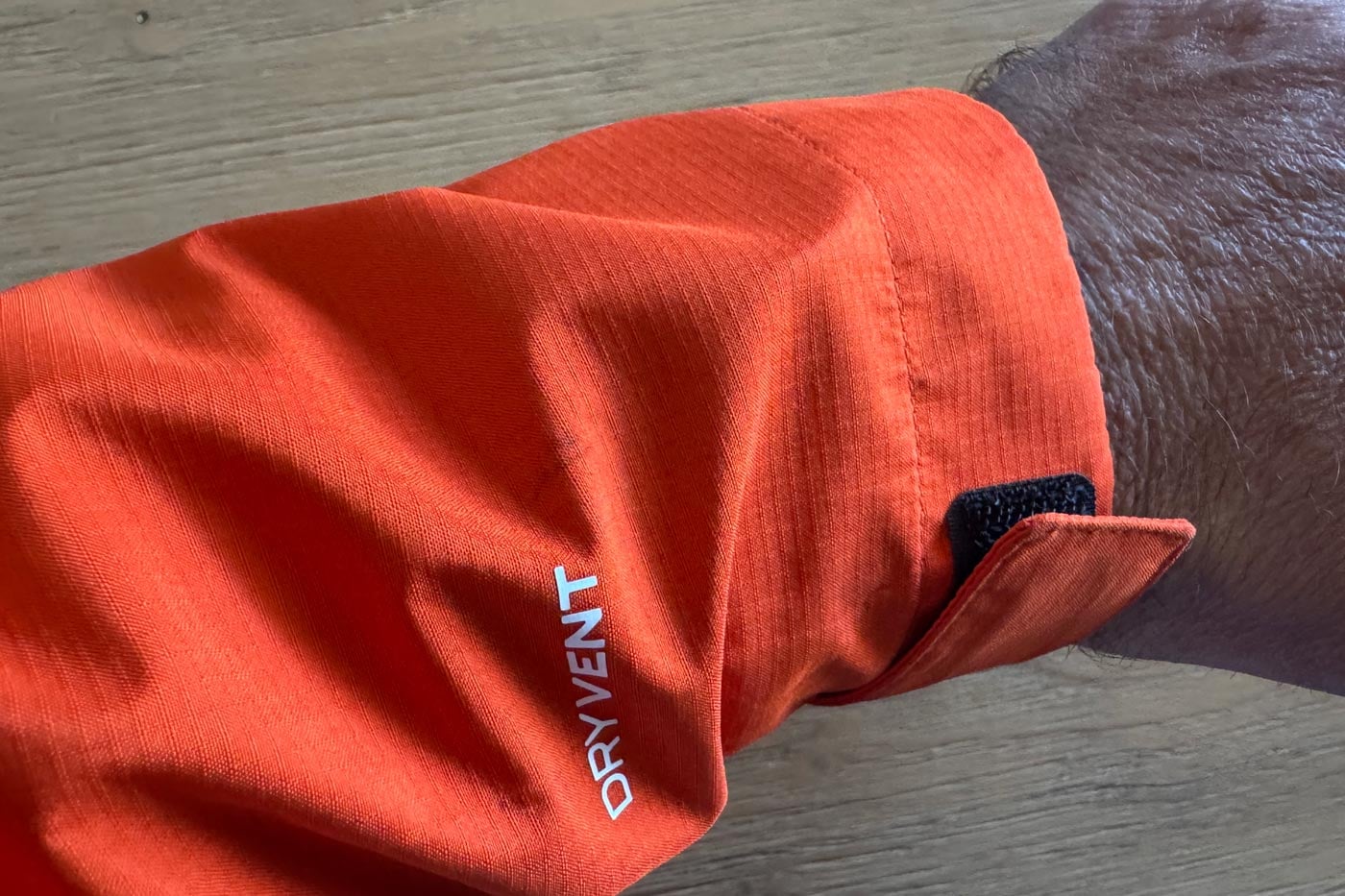
The adjustable cuffs with hook-and-loop tabs were genuinely good at sealing out rain, particularly when using hiking poles, where your arms and hands spend a lot of time raised and exposed. My wrists stayed covered when my arms were raised, which helped stop rain creeping in around the cuffs. That’s a detail a lot of rain jackets get wrong, and the Valley View gets right.
Pockets and storage
The chest pockets are large enough to carry a phone and other gear you want quick access to, and they stayed easy to reach even with a pack on. The hand pockets are the standout feature here though. They’re large, deep, and sit high enough above the waistline that a pack’s hip belt doesn’t interfere with access. That’s a real point of difference compared to other rain jackets I’ve used, where hip belts routinely block the hand pockets altogether.
This might sound like a small detail, but on multi-day walks it matters. If your rain shell pockets are blocked by a hip belt, they become almost useless while moving. On the Valley View, the pocket placement means I could still access essentials without loosening or removing my pack.
Things to consider
- This is a dedicated rain shell, not an all-conditions layer. You’ll still need to shed it in warmer conditions under load.
- At 472 grams, it’s not the lightest option out there if ounce-counting is your priority. It’s built more for durability and weather protection than minimal pack weight.
- Long-term durability of the DWR finish is still to be confirmed. Non-PFC DWR treatments can wear over time and repeated washes, and I haven’t had the jacket long enough to speak to how it holds up over years of use. As with any waterproof-breathable shell, long-term performance will depend partly on maintenance. The DWR finish will eventually need cleaning and reproofing to keep water beading on the outer fabric.
For Australian hikers dealing with genuinely wet, cold, and windy conditions, whether that’s Tasmania’s west coast, the Victorian Alps, Kosciuszko, exposed coastal tracks, or alpine hiking conditions overseas, the Valley View Jacket delivers on the fundamentals.
It kept me dry through hail and sustained heavy rain, the venting worked under load, and the pocket placement is a real practical advantage when hiking with a pack. I’d see it as a robust hiking and backpacking rain shell rather than a specialist alpine expedition jacket.
The Valley View Jacket is best suited to hikers who want durable protection, useful venting, better coverage, and pack-friendly storage, and who are willing to carry a little more weight for those benefits. It is less suited to hikers whose main priority is carrying the lightest possible emergency shell.
Pros and cons
| Pros | Cons |
| Excellent protection in heavy rain and hail | Not the lightest shell on the market |
| Hand pockets sit clear of hip belts | Dedicated rain shell rather than a do-everything layer |
| Underarm vents genuinely help manage moisture | Premium price point |
| Adjustable cuffs seal well when using poles | |
| Hood stays put in wind with a pack on |
Where to buy
RRP: $500 AUD
The North Face Valley View Jacket
Technical specifications
| Spec | Detail |
| Style | Rainwear jacket |
| Technology | DryVent 3-layer |
| Activities | Hike, camp |
| Gender | Men’s |
| Body material | 165 g/m² DryVent 3L, 85% recycled polyester / 15% nylon, non-PFC DWR finish |
| Hood/collar/draft flap material | 70D 111 g/m² DryVent 3L, 100% recycled nylon, non-PFC DWR finish |
| Average weight | 472g (1 lb 0.6 oz) |
| Centre back length | 74.3cm (29.25″) |
| Fit | Regular |