Where Ngunnawal Country Meets the Northern Australian Alps
Less than an hour’s drive from Canberra, Namadgi National Park unfolds across 106,095 hectares of alpine, sub-alpine and mountain bushland. I think this is a park that earns its superlatives: it protects the ACT’s main water supply, shelters over 700 plant species and 222 vertebrate species, reaches heights above 1,900 metres, and holds thousands of years of Ngunnawal cultural history within its landscapes. That combination is why it works for such different visitors: a short woodland stroll with the kids and a full-day summit hike that will test your legs and reward you with views stretching to Kosciuszko are both on offer within the same park. It makes up nearly half of the ACT’s entire landmass, and once you spend a day here, you start to understand why that matters.
Ngunnawal Country: Understanding Where You Are Walking
Before you lace up your boots, it is worth taking a moment to appreciate whose Country this is and what it holds, because that context changes how you read everything else in this park. The Ngunnawal people are the traditional custodians of Namadgi National Park and have maintained a deep cultural, spiritual and environmental connection to this landscape for tens of thousands of years. For them, Namadgi is not just a national park on a map. It is a living, storied landscape embedded with knowledge, ceremony and meaning.
One of the most significant Ngunnawal sites accessible to visitors is the Yankee Hat rock shelter, situated in the park’s southern reaches. Here, ancient rock art painted in white clay and red ochre, sourced from quarries up to 90 kilometres away, tells of Aboriginal presence in the area dating back at least 3,700 years. The site is a place of deep respect, so touching the artwork is prohibited and visitors are asked to observe from the designated viewing area.
The park also contains stone tool quarry sites, stone arrangements, grinding grooves and campsites scattered throughout the landscape. These are not relics. They are living reminders of a culture and a relationship with Country that continues today, which is why the Ngunnawal people ask that visitors acknowledge their traditions, laws and customs and care for the sites they encounter.
The park’s name itself comes from the Aboriginal word for the ranges in the south-west of the ACT, a fitting tribute to the people who have shaped this land, and worth keeping in mind as you move through the rest of what follows, because the landscape and the culture here aren’t really separate stories.
The Landscape: Mountains, Wetlands and the Water Beneath Canberra
Namadgi sits at the northern end of the Australian Alps, a biogeographical region so significant that park agencies across New South Wales, Victoria, the ACT and the Commonwealth Government manage it collaboratively across 1.6 million hectares. Alpine environments are rare in Australia, covering just 0.15 percent of the continent, and Namadgi protects a meaningful share of that precious terrain, which is part of why I think the water and wetlife detail below matters more than it might in a more ordinary bush park.
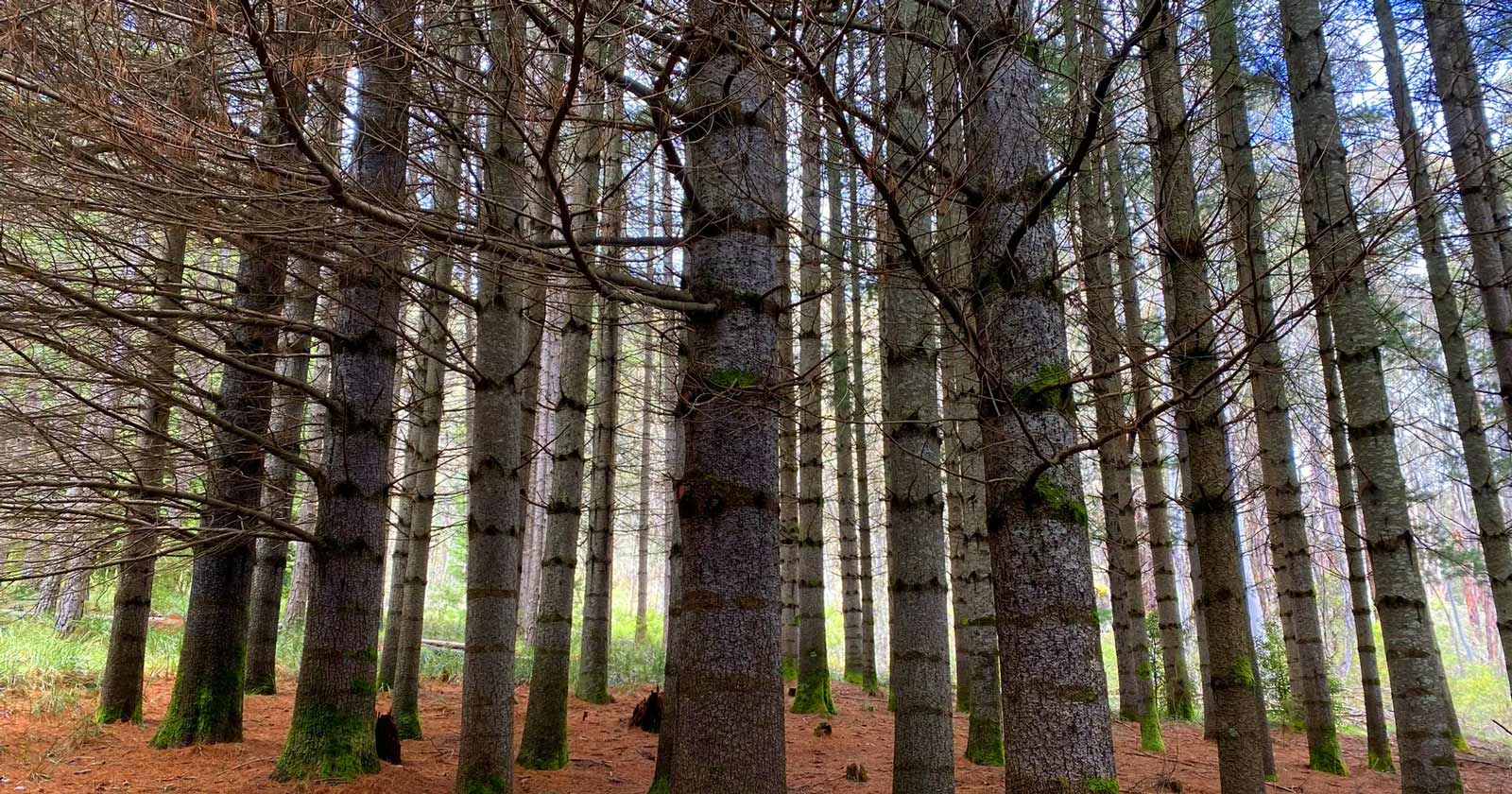
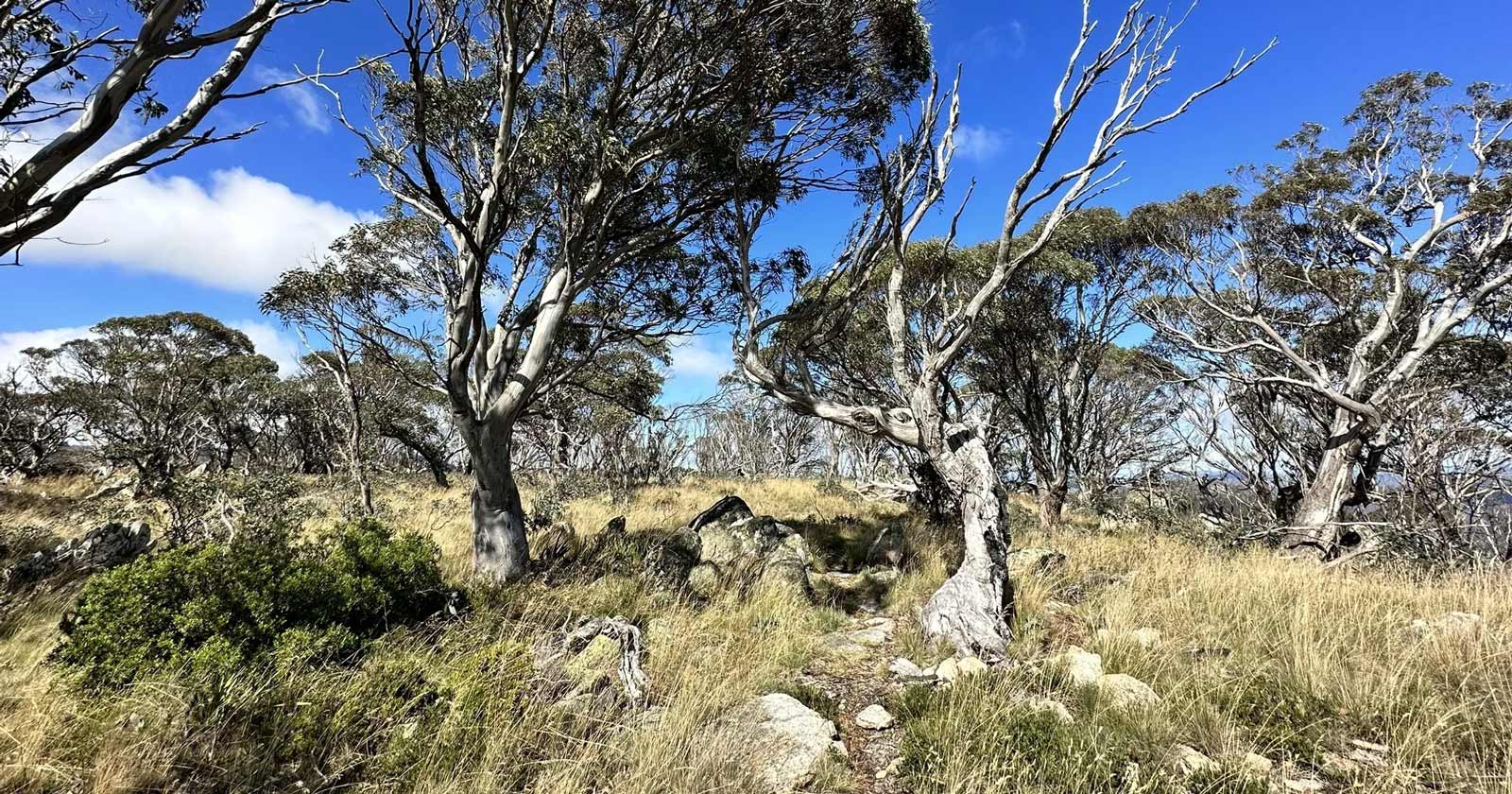
The park’s landscapes shift dramatically with altitude, and that shift is worth understanding before you pick a walk, because it tells you what you’ll actually be walking through. In the valleys, broad grassy plains open out under wide skies, home to mobs of eastern grey kangaroos and a rich birdlife. Moving up the slopes, Alpine Ash forests take over, their tall trunks filtering the light in ways that make you feel genuinely small. Higher still, the character of the bush changes again: snow gum woodlands and subalpine meadows dominate the mountain peaks, particularly in the Brindabella Range and around Mount Ginini, Mount Gingera and the Bimberi Wilderness.
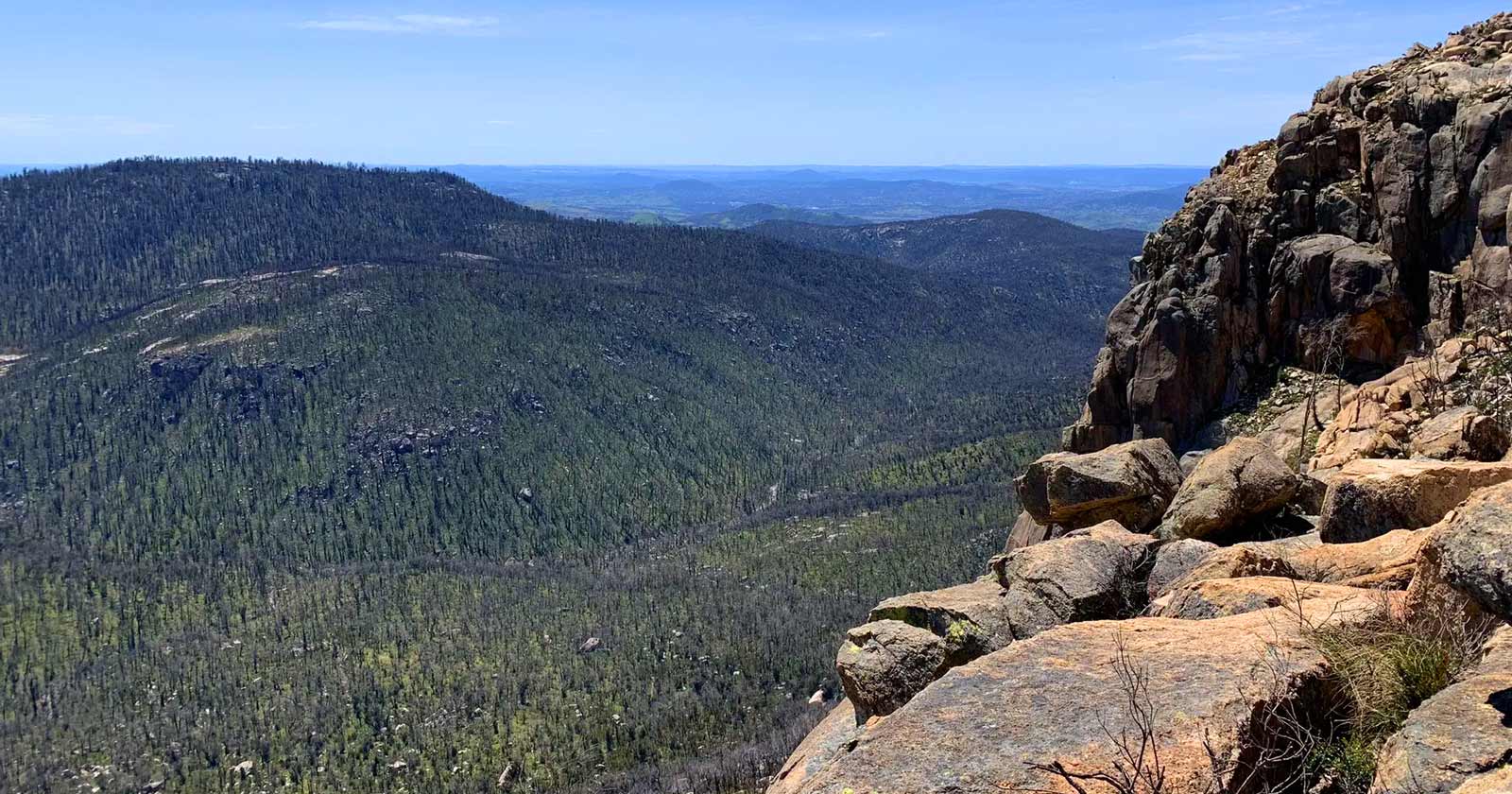
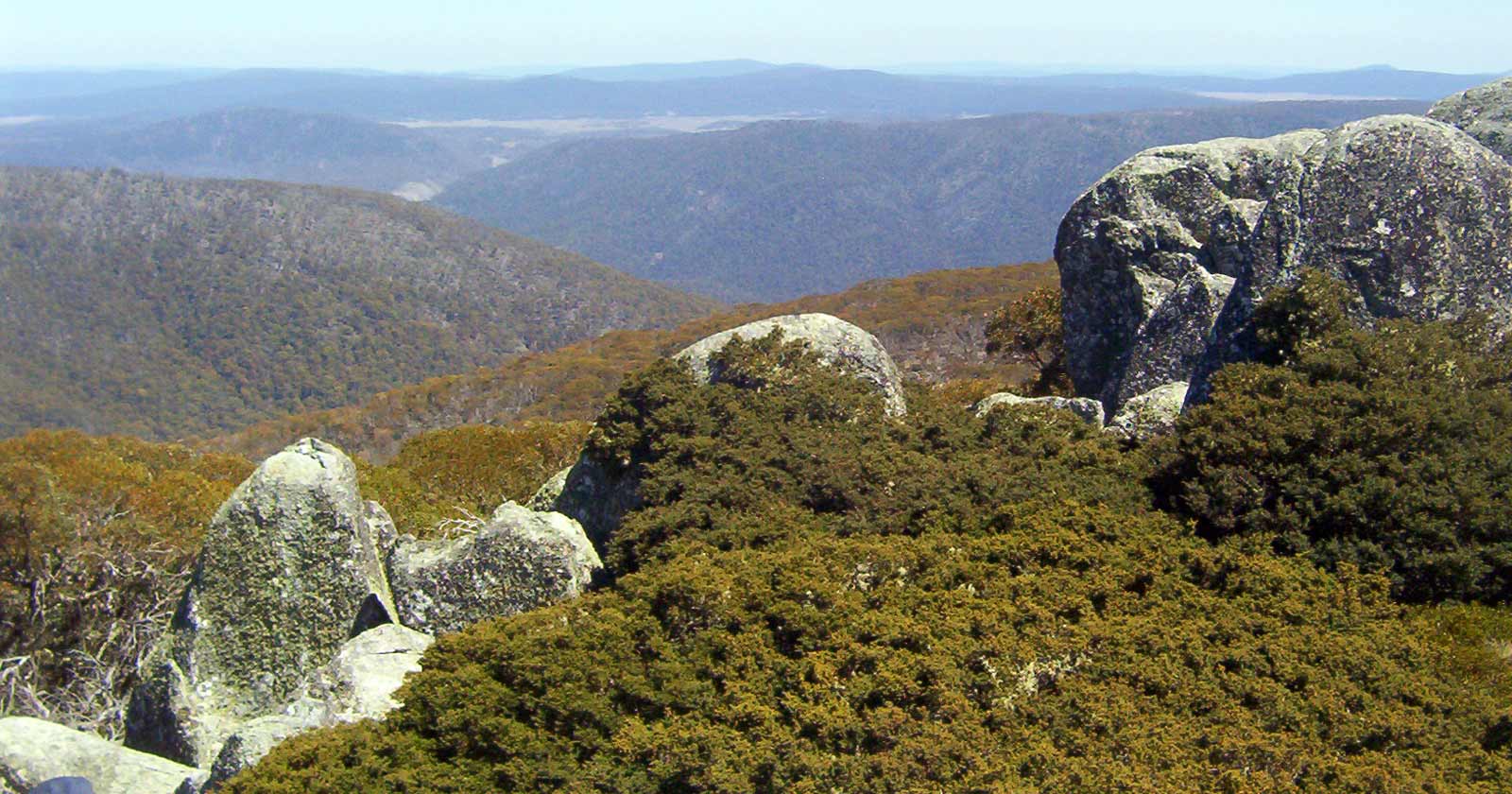
The Bimberi Wilderness, comprising the western third of the park at 28,900 hectares, is among the most rugged and beautiful terrain in the Alps. You can catch a long view of it from Hospital Hill Lookout on Boboyan Road or from the ridgeline of the Yerrabi Walking Track, which is the sensible way to experience it if you’re not equipped for more. Getting into the Bimberi on foot, from the Mount Ginini carpark or across from the Orroral Valley, is a different proposition entirely and requires solid navigation skills, proper gear and a camping permit.
Two ecological highlights deserve special mention, because they explain a lot about why this park is managed the way it is. The Ginini Wetlands, listed as a Ramsar site of international significance, provides critical habitat for Latham’s Snipe, a long-distance migratory bird, and the endangered Northern Corroboree Frog. Nursery Swamp, accessible via its own walking track, is the park’s most well-known fen, a rare wetland type dominated by sedges that represents an ecosystem found in very few places in Australia.
Those high wetlands and sphagnum moss bogs are not just beautiful. They are functional. The catchments within Namadgi supply up to 95 percent of Canberra’s and Queanbeyan’s water, filtering rainfall as it percolates through peat, forest and grassland before reaching the dams below, which is a fairly direct way of saying that what happens to this landscape has consequences well beyond the park boundary.
European History Written Across the Landscape
Namadgi was declared a national park in 1984, but the human history embedded in its valleys goes back much further than that. Pastoralists moved into the upper valleys of the Cotter, Gudgenby, Orroral, Naas and Tidbinbilla rivers from the 1830s, and the physical remnants of their presence are, to my mind, some of the park’s most evocative features, because you can still walk straight into them on an ordinary day hike.
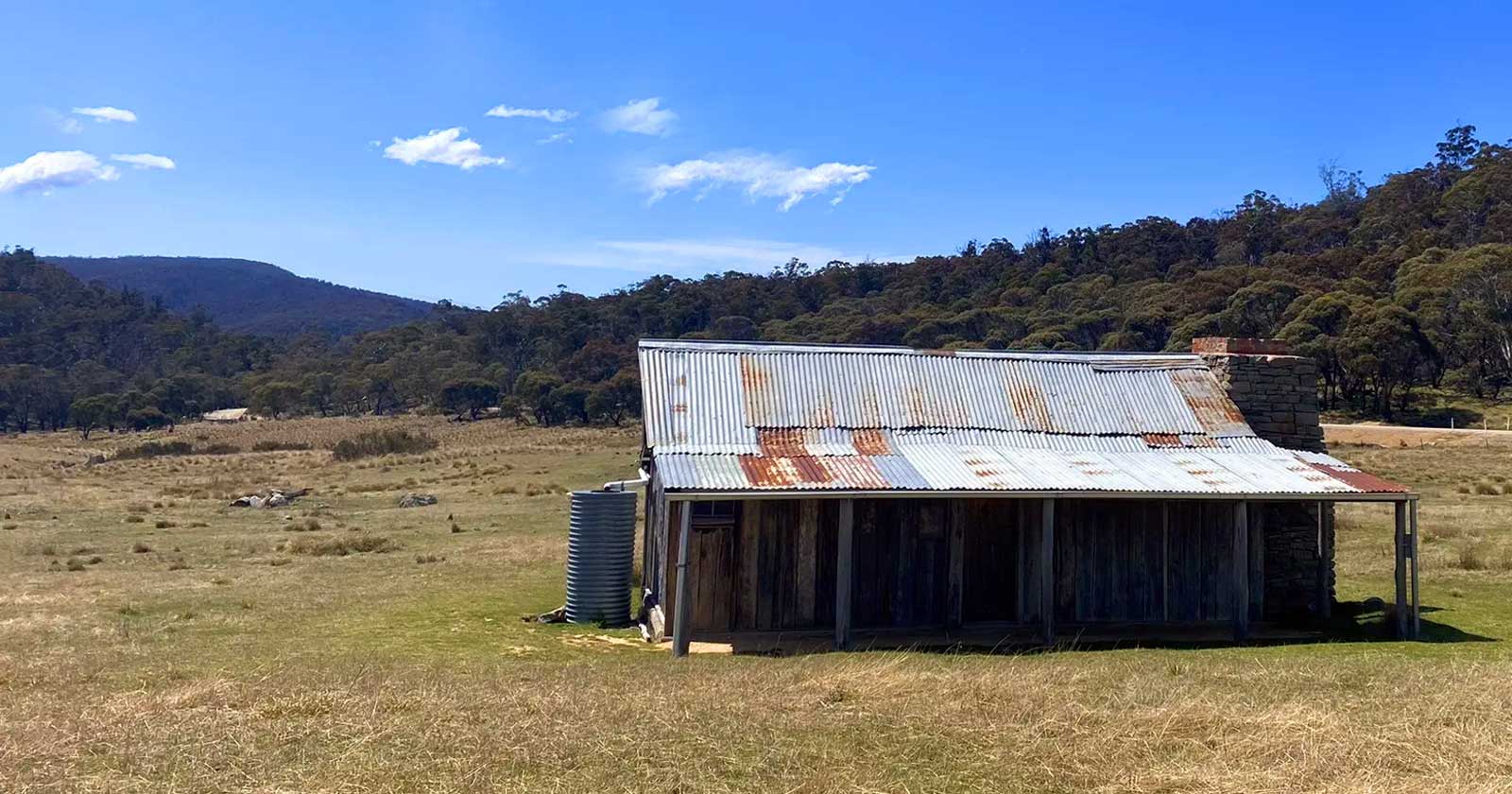
The Orroral Homestead, thought to have been constructed in the 1860s and considered the oldest original homestead in the park, sits at the heart of the Orroral Valley. The Westermans Homestead, reached via the Settlers Track or the Grassy Creek circuit, dates from 1882 and still carries the decorative bargeboards and stone chimneys of its era. Waterhole Hut, built in 1939, Brandy Flat Hut and Horse Gully Hut in the remote south complete a picture of high-country grazing that shaped the ACT’s rural identity for over a century.
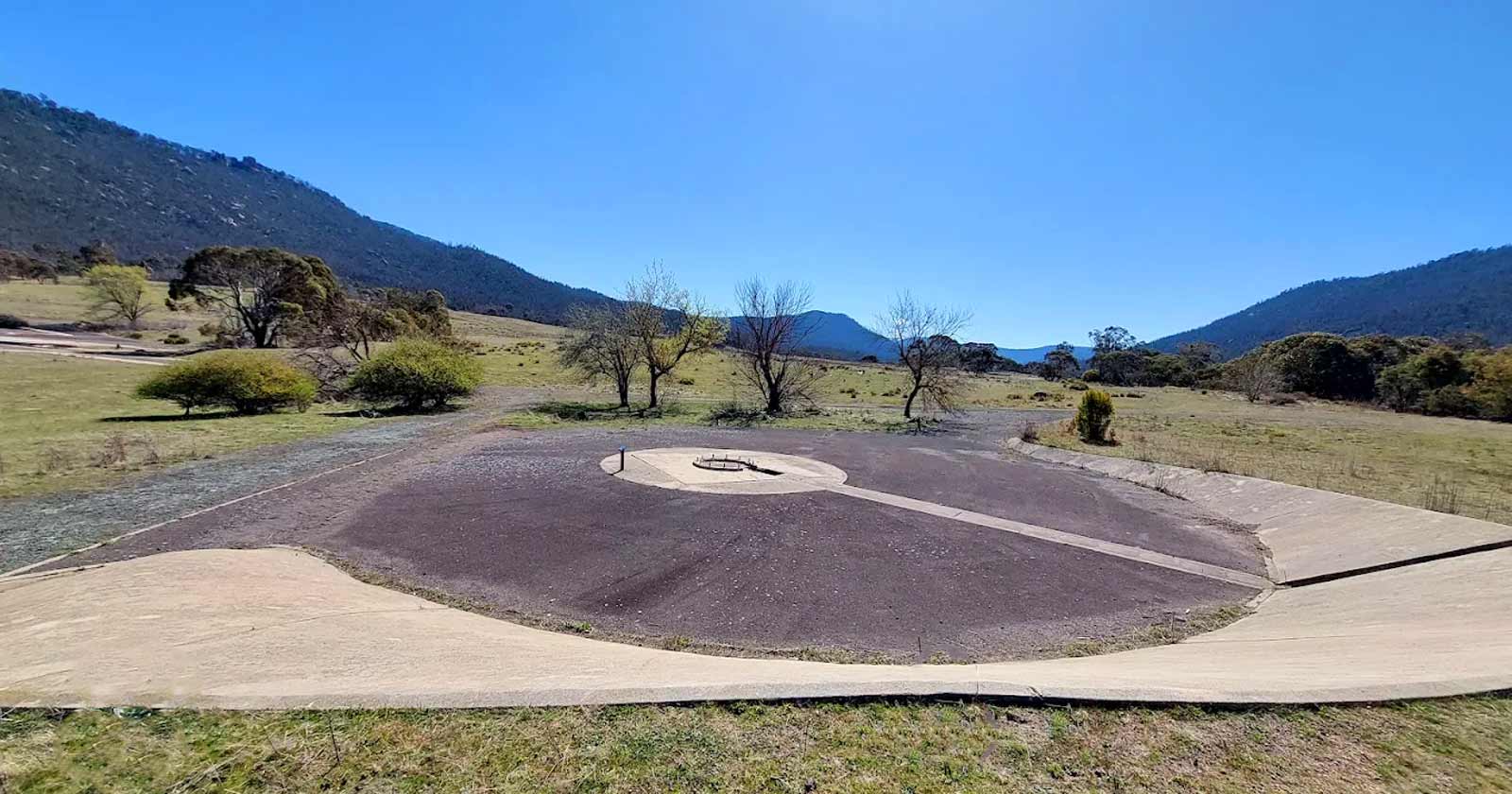
Then there is the more surprising layer of history: the space age. Two former NASA tracking stations operated within what is now the park. The Honeysuckle Creek station played a pivotal role in the Apollo 11 moon landing in 1969, its giant antenna beaming the first live television images of the event to the world. The Orroral Valley Tracking Station, active from 1963 to 1985, tracked Earth-orbiting satellites as part of NASA’s global network. Both sites are now heritage landmarks, and the Orroral station’s 26-metre antenna found a second life at the University of Tasmania’s Mount Pleasant Radio Observatory. It’s a strange thing to stand in a quiet mountain valley and realise it once helped connect the world to the Moon, but that’s Namadgi.
The Bendora Arboretum, established in 1940 on Mount Franklin Road, adds yet another layer. Planted with exotic conifers to test commercial softwood species, it now stands as one of the finest collections of mature conifer trees in Australia, surrounded by its natural snow gum and mountain gum neighbours.
Walking in Namadgi: From Easy Strolls to Alpine Summits
The Best Hikes in Namadgi National Park
With hundreds of kilometres of walking tracks across numerous trails spanning all difficulty levels, Namadgi rewards walkers of every background and fitness level. The selection below covers the spectrum from accessible short walks to demanding full-day adventures, and I’ve tried to give you enough to judge which one actually suits you rather than just which one sounds good.
Grade 2 (Easy) Walks
Namadgi Woodland Walk (1 km, 1 hour, circuit). The perfect introduction to the park, this loop starts and finishes at the Namadgi Visitor Centre and winds through a critically endangered Yellow Box Blakely’s Red Gum Grassy Woodland. Interpretive displays along the way introduce the park’s ecology and Aboriginal heritage. Ideal for families or those arriving late and wanting a taste of the bush before heading home.
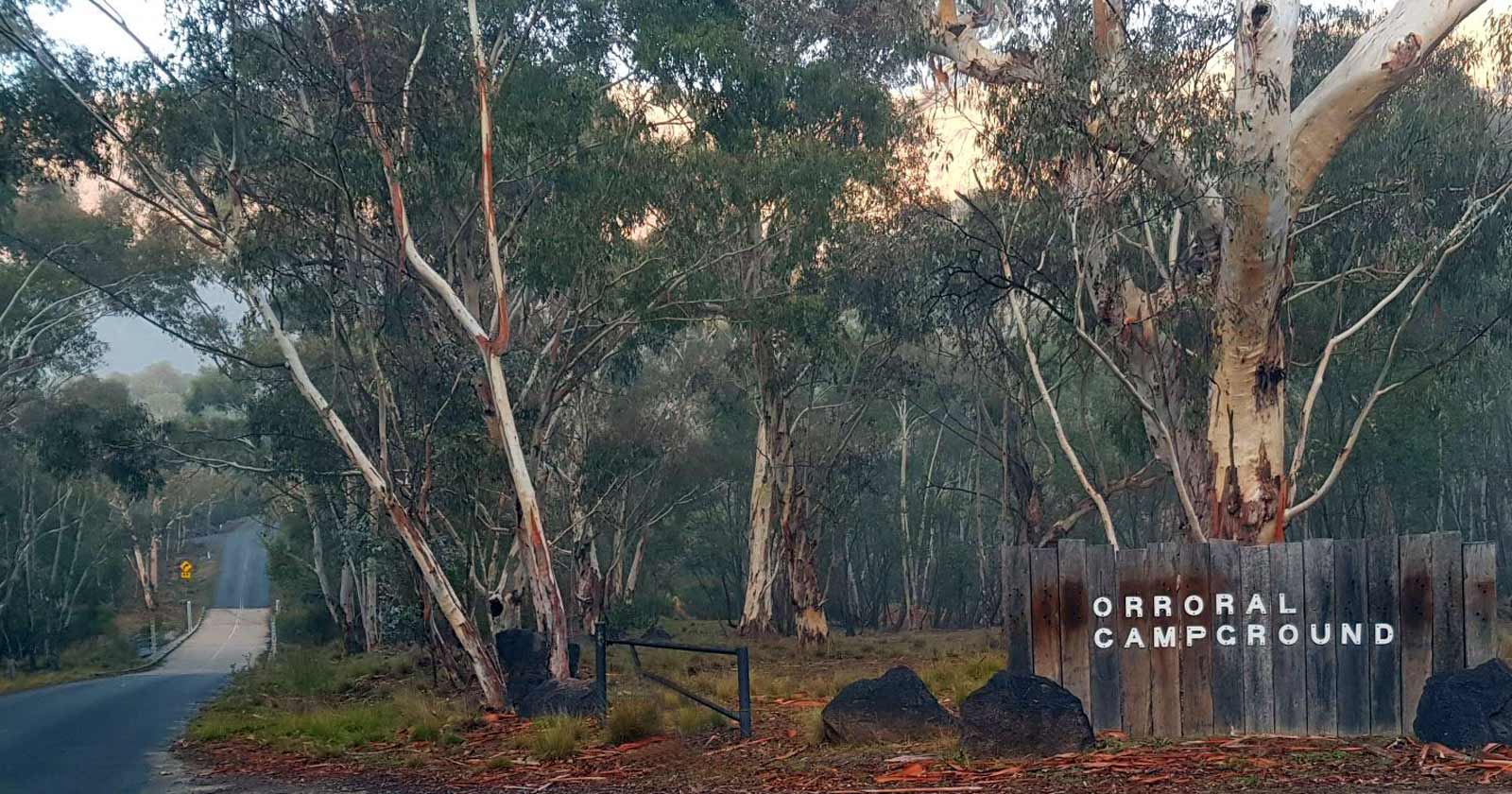
Orroral Campground Loop Track (1.5 km, 45 minutes, return). A gentle riverside ramble alongside the Orroral River, connecting to the broader Orroral Heritage Walking Track. This is a lovely early-morning or late-afternoon walk, with the campground itself offering easy access to the wider valley and a good base for spotting local wildlife.
Bendora Arboretum Walk (5 km, 2 hours, return). Starting from Mount Franklin Road, this easy-to-moderate walk winds through snow gums and mountain gums before arriving at the historic arboretum, where towering conifers planted for research in the early 1900s create an atmosphere unlike anywhere else in the Alps. Interpretive signage explains the arboretum’s fascinating backstory.
Grade 3 (Moderate) Walks
Gibraltar Falls Walk (2.3 km, 1 hour, return). One of the most popular short walks in the park, this trail drops down to a dramatic waterfall set amid damp forest in the Woods Reserve area, only 41 kilometres from Canberra. The falls are for viewing only, but that view is excellent. Picnic shelters and gas barbecues are available at the trailhead.
Yankee Hat Walking Track (6 km, 2.5 hours, return). This is one of Namadgi’s signature walks and, I’d say, a genuinely moving experience. The trail crosses open grasslands, often grazed by kangaroos, to reach the Yankee Hat rock shelter and its ancient Ngunnawal rock art. Carbon dating places Aboriginal use of this shelter at over 3,700 years. Start from the Yankee Hat carpark, about 68 kilometres from Canberra.
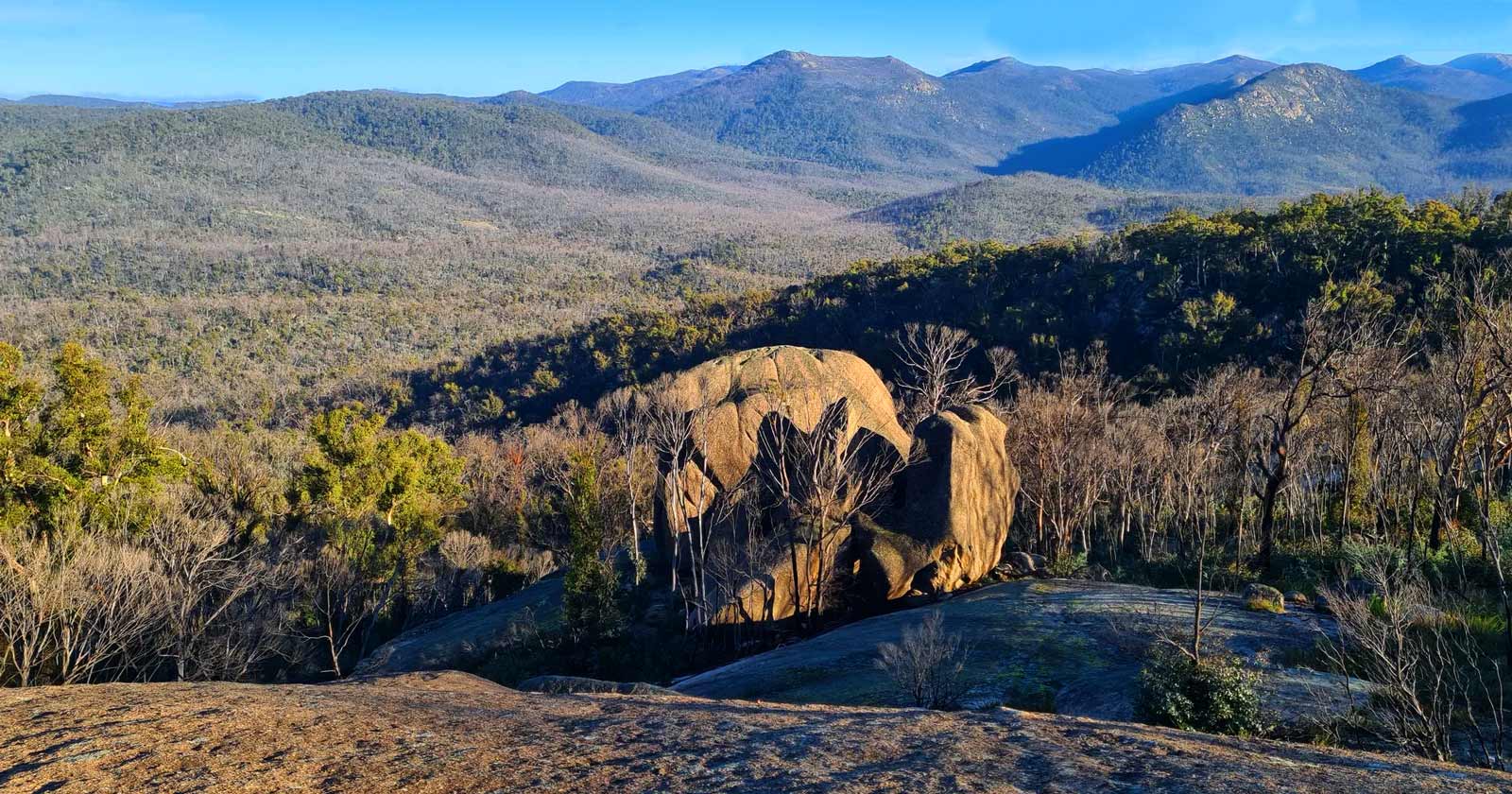
Square Rock Walking Track (10.5 km, 4 hours, return). A longer moderate walk beginning at Corin Road near the Smokers Gap entrance, this trail climbs through woodlands of ash and eucalypt before arriving at a prominent granite outcrop. A metal ladder accesses the rock ledge and its panoramic views across the Brindabella Ranges. A detour to the Orroral Valley Lookout adds further reward.
Orroral Heritage Hike (6 km one-way, 2.5 hours). Starting from Orroral Campground and finishing at the former Orroral Valley Space Tracking Station, this walk traces a landscape layered with Ngunnawal heritage, pioneering history and the extraordinary story of Australia’s role in the space race. Interpretive signs guide you through each chapter. You will need to arrange transport back or retrace your steps for a 12-kilometre return.
Settlers Track (6 km, 2.5 hours, circuit). Starting from the Brayshaw Hut Carpark in the park’s southern reaches, this loop visits historic 19th-century homesteads including Westermans Homestead and Waterhole Hut, with interpretive signage, seating and toilets along the track. The recommended direction is anti-clockwise. A longer 9-kilometre version incorporates additional heritage sites.
Grade 4 (Hard) Walks
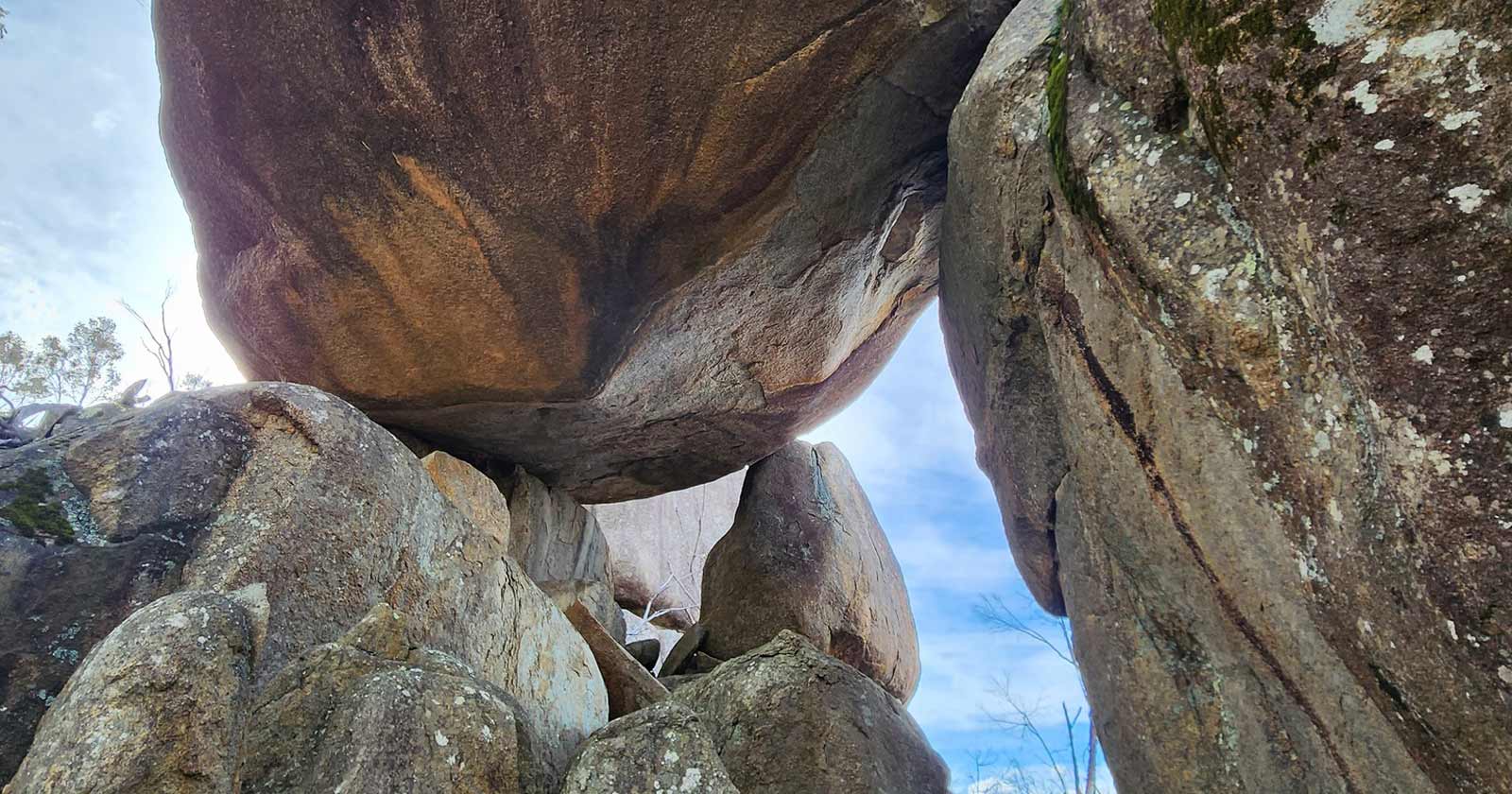
Booroomba Rocks Walk (4.5 km, 2 hours, return). Despite being relatively short, this is one of Namadgi’s most dramatic hikes: a steep climb through tall forest to the top of massive granite cliffs, with what many consider the most spectacular views in the Brindabella Range. Canberra shimmers in the valley to the north and the ranges roll away in every direction. The road to the trailhead requires 4WD.
Granite Tors Hike (8 km, 3 hours, return). Beginning at the old Orroral Tracking Station, this steep climb through diverse eucalypt forest reaches an impressive granite tor lookout above the Orroral Valley. The summit area also holds the remains of a former geodetic observatory once used for lunar tracking, adding a scientific curiosity to an already fine walk.
Mount Tennent Summit Hike (14 km, full day, return). Starting from the Namadgi Visitor Centre and only 41 kilometres from Canberra, this is the most accessible of the park’s big summit hikes. The track climbs continuously for the first five kilometres through beautiful bushland to a fire tower summit, where views sweep from Canberra to the northeast across the full breadth of the Bimberi Wilderness to the west.
Mount Gingera Summit Hike (20 km, full day, return). The second-highest peak in the ACT at 1,847 metres, Mount Gingera is a serious undertaking from Corin Dam Carpark, gaining over 1,100 metres of elevation through snow gum woodland before crossing into New South Wales near the summit. Pryors Hut provides a welcome rest stop on the way up. The views from the top are exceptional on a clear day.
Mount Ginini Summit Hike (23 km, 8 hours, return). The full Stockyard Spur to Mount Ginini walk is rated the most demanding in the park, covering 23 kilometres and nearly 1,200 metres of climbing from Corin Dam. The trail moves through tall eucalypt forest before transitioning into alpine snow gum woodland, and the sustained nature of the climb makes it strictly for experienced, well-prepared walkers. The Stockyard Spur track (13 km) makes a very worthwhile walk in its own right for those who prefer not to push all the way to the summit.
For the full list of walking tracks in Namadgi National Park, visit Trail Hiking Australia’s Namadgi National Park page.
Beyond Walking: Other Ways to Explore
Camping
Three designated campgrounds operate within the park: Orroral, which provides a beautiful bush setting for tents, caravans and trailers; Honeysuckle, which is well suited to small and larger groups with space for campervans; and Mount Clear, the most remote option with basic facilities accessed via unsealed road (not suitable for camper trailers). Bookings are essential for all three. Camp at Woods Reserve, Blue Range or the Cotter outside the park boundary if you want a more relaxed experience.
Mountain Biking and Scenic Driving
Several hundred kilometres of scenic management roads are open to cyclists, giving mountain bikers a genuine network to explore. Cycling is not permitted on walking tracks or in the Upper Cotter Catchment and Bimberi Wilderness south of the Mount Ginini carpark, which keeps those quieter areas free of bike traffic. The park’s unsealed roads offer spectacular driving through mountain country, though conditions change quickly in winter and road closures apply during snow, flood and Total Fire Ban periods. Petrol is not available within the park, so fill up in Canberra, Tharwa or Adaminaby beforehand.
Fishing and Horse Riding
Namadgi’s mountain streams are trout waters subject to open season, gear restrictions and size limits. Some areas, including the Cotter Catchment upstream of Bendora Dam, are closed to fishing to protect that same water supply I mentioned earlier. Pick up the Recreational Fishing in the ACT brochure from the Visitor Centre for full details.
Horse riding is permitted on management roads east of and including Old Boboyan Road. The Bicentennial National Trail, a 5,330-kilometre route from Cooktown to Healesville, passes through the park via the Naas Valley management road. Contact the Visitor Centre to arrange access to horse yards at Mount Clear.
Snow
Winter snowfall is most common on the Bimberi and Brindabella ranges, and the Brindabella Range is popular for snow play when conditions allow. Be aware that Mount Franklin, Brindabella and Boboyan roads can become hazardous in winter and will be closed if considered unsafe. Phone reception is minimal throughout the park, so chains may be required and it pays to check conditions with the Visitor Centre before heading in during the colder months.
Planning Your Visit
Admission to Namadgi National Park is free. The park is open year-round, and the Namadgi Visitor Centre is your best first stop for maps, current track conditions, campsite bookings and local knowledge.
Namadgi Visitor Information Centre Naas Road, Tharwa ACT 2620. Open: 9am to 4pm weekdays; 9am to 4:30pm weekends and public holidays; closed Christmas Day. Card payments only.
For full park information, current conditions and campsite bookings, visit the ACT Government’s Namadgi National Park page.
For the full list of walking tracks in Namadgi National Park, visit Trail Hiking Australia’s Namadgi National Park page.
A note on safety: mountain weather in Namadgi can change suddenly at any time of year, so it’s worth treating every walk here, even the short ones, with a bit of respect for that. Always carry warm, waterproof clothing, sufficient water and food, and a fully charged mobile phone or personal locator beacon (PLB). Record your trip details in the bushwalking register before setting off, and tell someone where you are going and when you expect to return. PLBs are available for hire from the Visitor Centre. Dogs are not permitted anywhere in the park.
The 2020 Orroral Valley bushfire burnt over 80 percent of Namadgi, and the park is still in a long-term recovery phase, so some areas and tracks may still be affected. Check with the Visitor Centre for the latest access information before you go.