Zorali Trailblazer™ Sandal Blue Granite, Field Test Review
Trail sandals have come a long way. The early options were either too flimsy to handle anything rougher than a gravel path, or so chunky and technical-looking they seemed more suited to a ropes course than a hike. The sweet spot, supportive enough to handle real terrain, breathable enough to keep your feet comfortable in the heat, and durable enough to handle river crossings and creek hops without falling apart, has historically been hard to nail.
That’s exactly why I was keen to spend some proper time in the Zorali Trailblazer™ Sandal. Zorali is an Australian brand that’s built a solid reputation in the outdoor gear space over the past few years, and the Trailblazer is their answer to the trail sandal question. Designed for warm-weather adventures across varied terrain, they’re pitched at hikers who want something that can handle the outdoors properly, not just the car park on the way to the trailhead.
There’s a place for them, and a place where they don’t belong. On well-formed tracks, in hot conditions, or on hikes with regular creek crossings, a good trail sandal can be a real advantage, keeping your feet cool, drying quickly, and offering a level of comfort that’s hard to match in boots. But once the terrain turns rough, steep, or scrubby, common sense applies. Open footwear has its limits, and on more technical ground, proper footwear is still the right tool for the job.
How I Tested Them
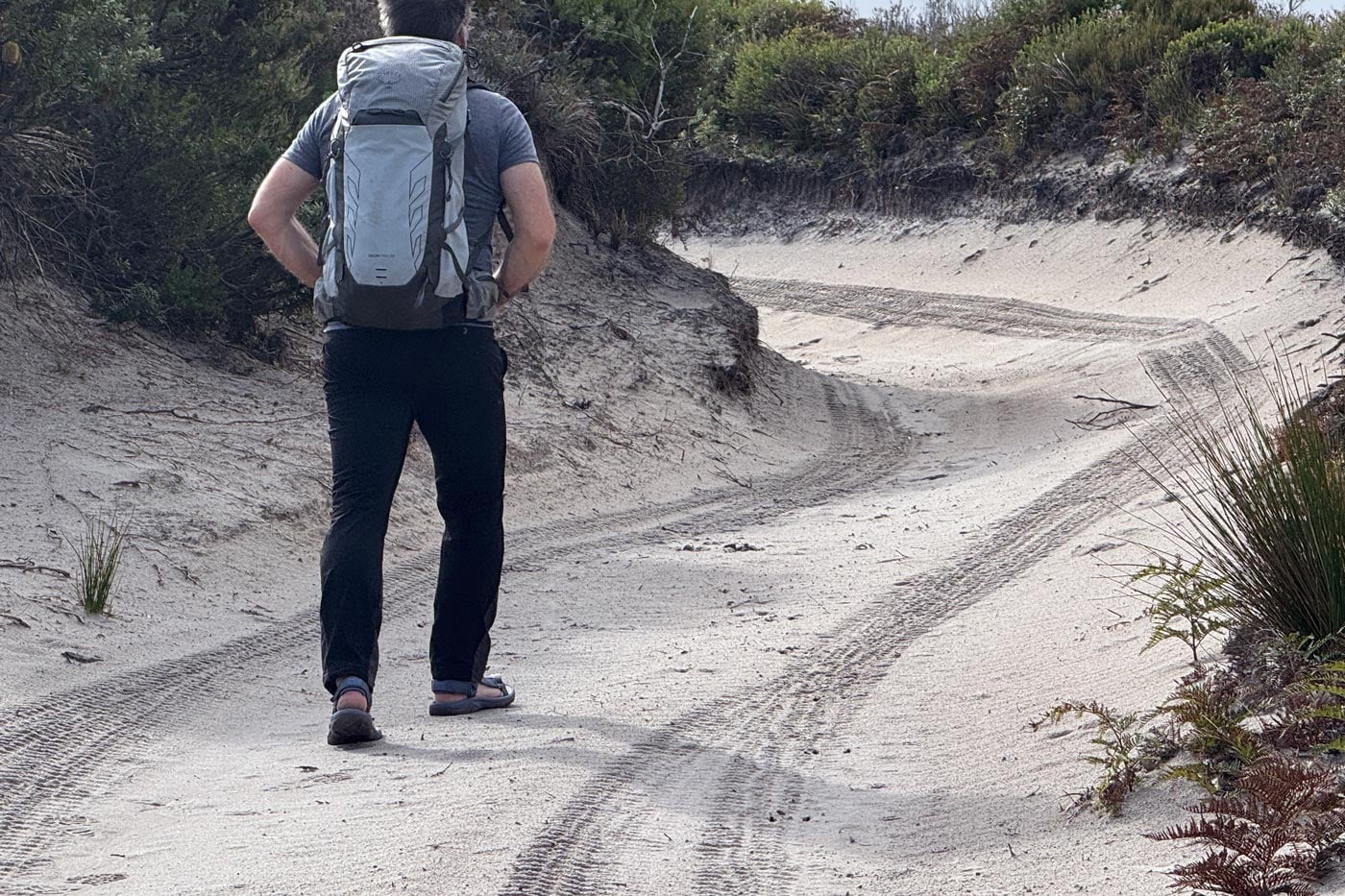
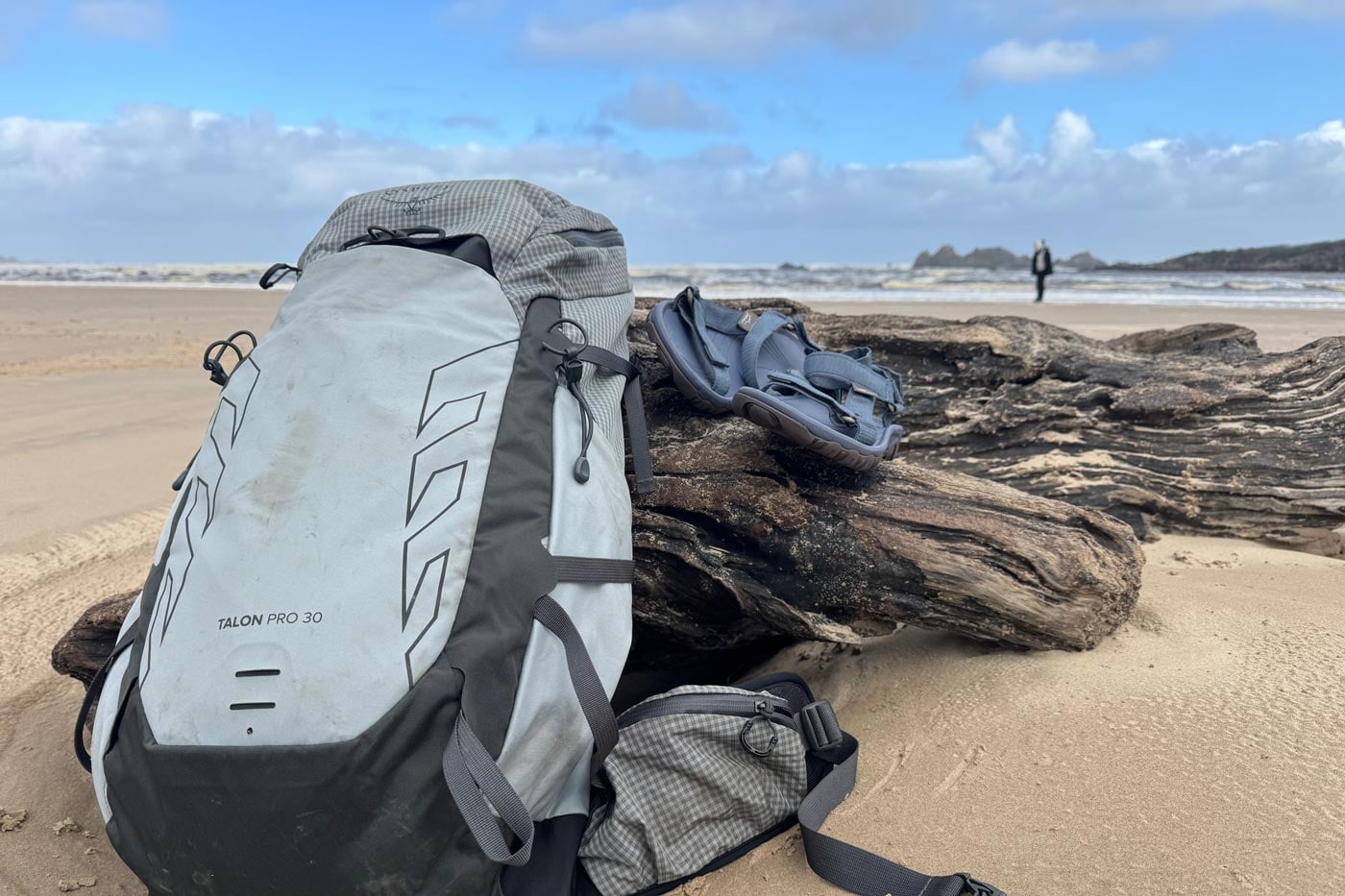
Zorali provided me with a pair of Trailblazer Sandals to field test and review, so I took them out over several weeks across a range of day hikes. The terrain was deliberately varied, everything from well-graded walking tracks and coastal beach walks through soft sand, to rougher bush paths, including some river crossings where I was keen to see how the sandals handled getting wet and then drying out.
Sandy conditions are actually a good test for any sandal: you quickly find out whether the straps stay secure and whether grit works its way into uncomfortable spots. On the more rugged, technical sections, I kept my boots on, that’s just common sense, and I wouldn’t want to suggest these are a replacement for proper footwear when the trail demands it. But in the conditions they’re suited for, I put them through a thorough workout.
Here’s what I found.
Comfort & Fit
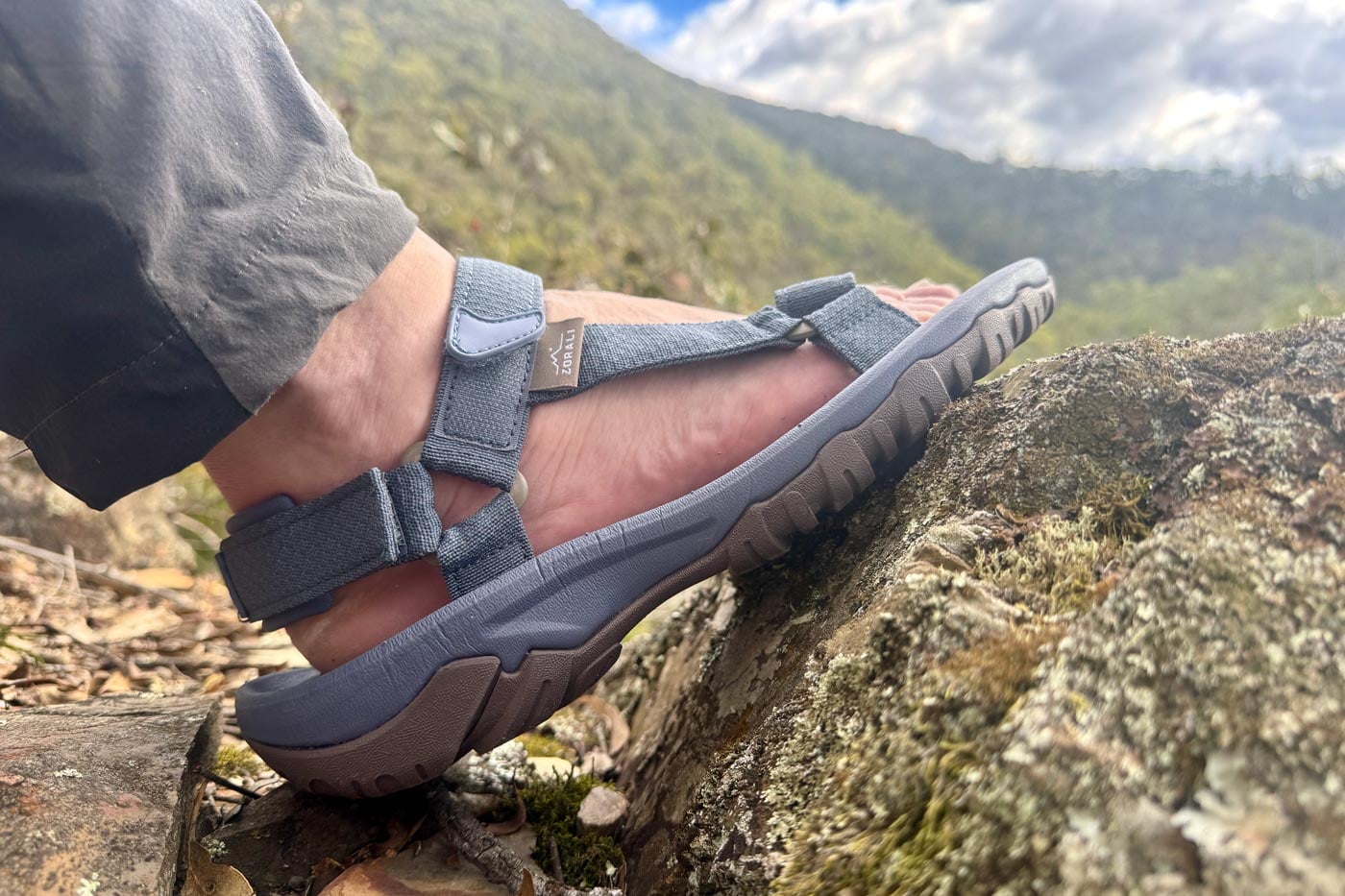
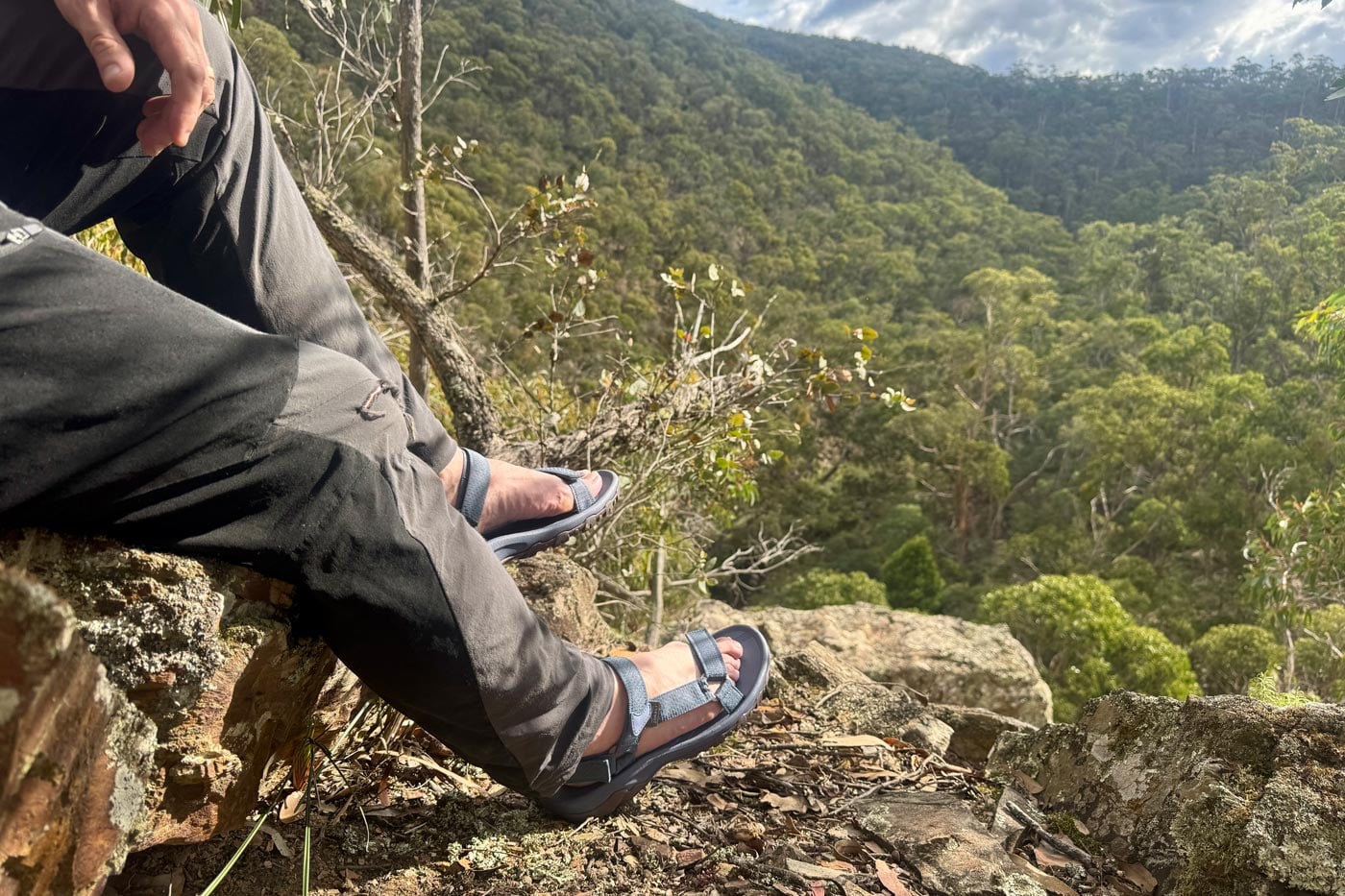
This is where the Trailblazer performs well. From the first time I put them on, the fit felt dialled in. The three adjustable hook-and-loop straps, one across the forefoot, one at the ankle, and one at the heel, give you a lot of flexibility to customise the fit to your foot shape, and I found myself appreciating this more and more as the hikes wore on. Once you get them set right, they stay set.
I wore these straight out of the box for extended periods on the first outing and had no hotspots or rubbing issues, the materials themselves are comfortable from the start. However, it is important to distinguish between material comfort and mechanical adjustment. While the webbing is soft, the “break-in” period for these sandals is more about the user finding the correct tension across the three-strap system. Until you fine-tune those settings, you may experience minor trial and error with strap placement.
The EVA midsole provides solid underfoot cushioning, enough that you’re not feeling every rock through the sole, but not so squishy that you lose ground feel entirely. For a sandal, the level of support on offer is impressive, and I can see these being a good option for people who need a bit more structure in their footwear, including those recovering from foot issues or prone to plantar fasciitis.
Performance on the Trail
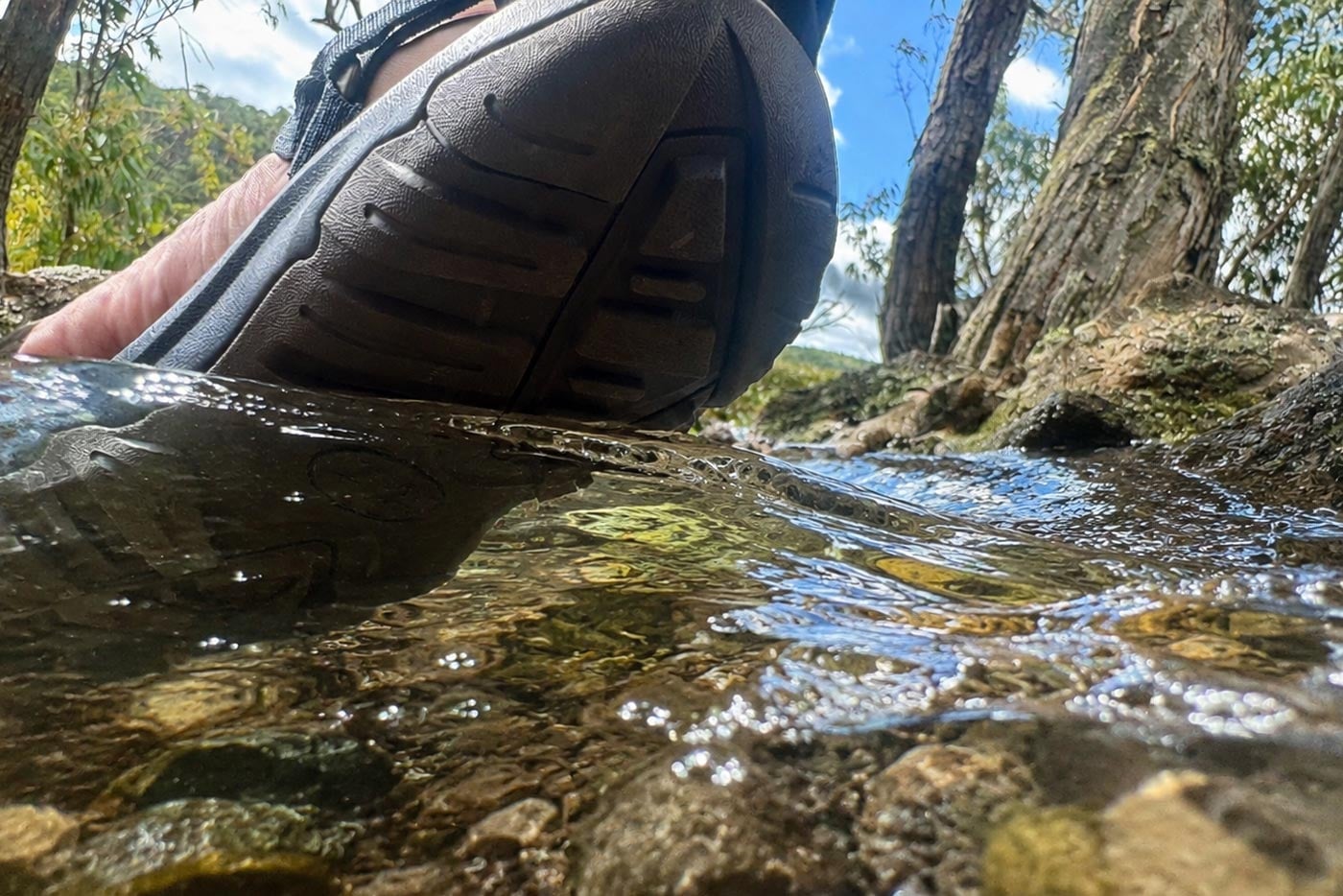
The TPR outsole grips well across different surfaces. On dry trails, dry rock and compacted dirt, traction was confident and secure. On wet rock and slippery creek banks, which I specifically wanted to test, they performed better than I expected. There was no dramatic slipping, and I felt planted when I needed to be.
The river crossings were a highlight: getting the sandals wet is, of course, a non-issue. They’re designed for it. The webbing dries remarkably quickly once you’re back on dry ground, within a few minutes of being out of the water I wasn’t thinking about wet feet at all. For hikes that involve regular creek crossings or wet conditions, this is a genuine advantage over boots, where you’re potentially dealing with soggy socks for the rest of the day.
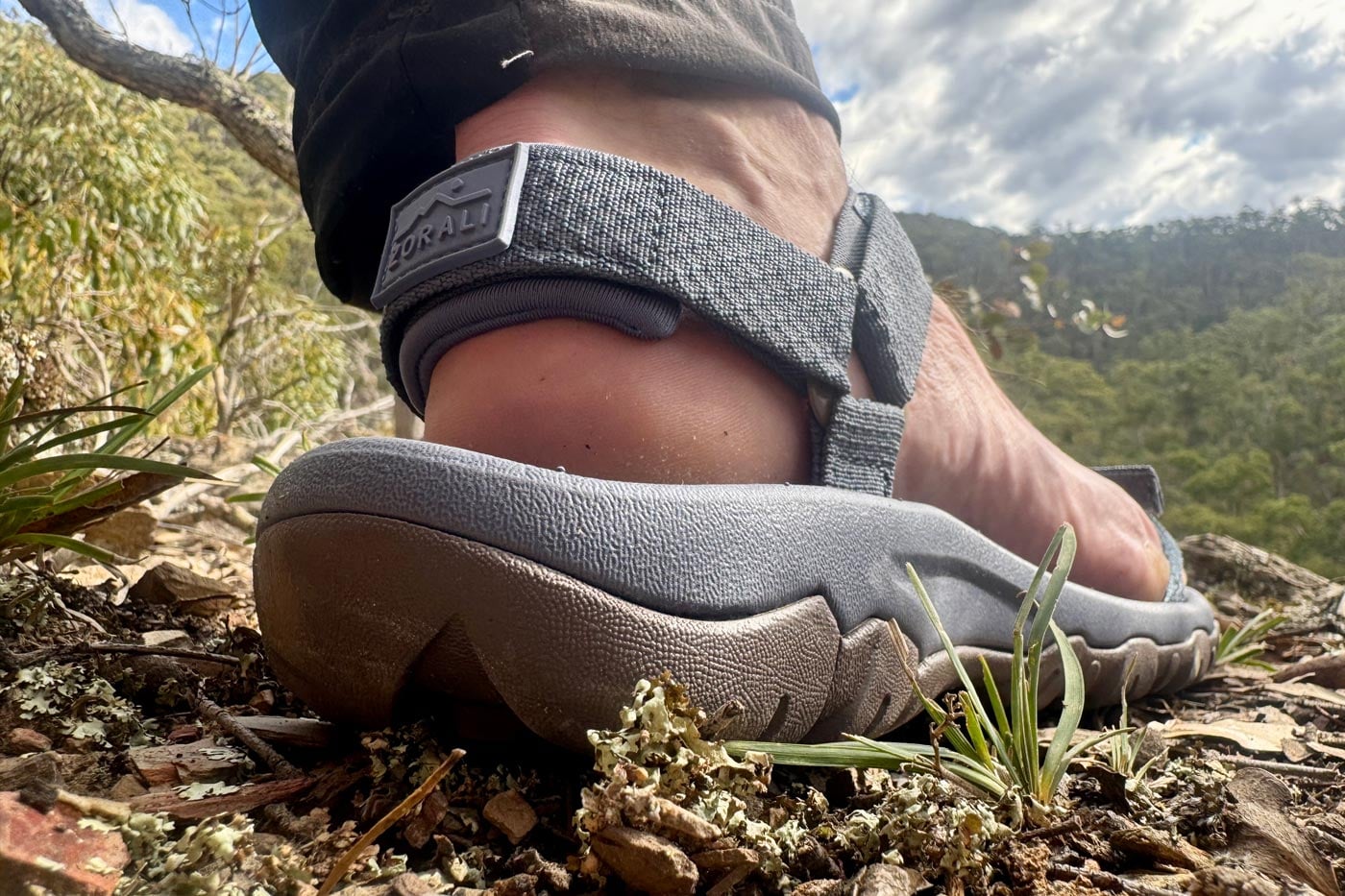
Fit stability under load is something I pay close attention to, and the three-strap system earns its complexity here. The ankle strap in particular provides lateral support that a basic two-strap sandal simply can’t match. I didn’t experience any heel lift or lateral slippage, even on uneven footing. That’s not something I can say about cheaper sandal options I’ve worn over the years.
On steeper descents, you’re more aware of the open design, particularly around the forefoot, where there’s less protection than a closed shoe. That’s not a flaw so much as the nature of sandals, but it’s something you notice once the trail tips downhill.
The same applies around the toes, where contact with rock or hard edges is simply less forgiving than in a boot or trail shoe.
Build Quality & Durability
After several weeks of regular use across mixed conditions, the Trailblazers are holding up well. The webbing shows only minor signs of wear, the sole shows minimal abrasion, and the straps are still adjusting smoothly with no loss of function. These feel like a well-constructed sandal built to last a fair number of seasons rather than a single summer.
The webbing is made from 100% recycled polyester, which speaks to Zorali’s broader sustainability credentials, they’re a certified B Corp, carbon neutral, and a 1% for the Planet member. For gear made from recycled materials, it’s holding up every bit as well as you’d hope. Zorali also backs their products with a lifetime repair guarantee, which adds confidence to a purchase.
At 255 grams per sandal (510 grams the pair), these aren’t ultralight, but for what they offer in terms of structure, support and durability, the weight is entirely reasonable. You’d expect a basic foam-and-strap sandal to be lighter, but basic foam-and-strap sandals don’t belong on hiking trails.
Off-Trail Versatility
One thing worth mentioning about the Trailblazers is how well they cross over into everyday wear. If I’m being honest, I’d probably reach for these more often as a casual everyday sandal than specifically for hiking. They look and feel like a premium sandal rather than a piece of technical outdoor equipment, and they’re comfortable enough to wear all day without thinking about them. That’s not a criticism, it’s actually a good sign of how well the comfort and design hold up outside of a trail context.
They’re available in a range of colour options, which helps, and the overall aesthetic is clean enough that they work with shorts, casual pants or pretty much anything you’d wear in summer. Whether you’re heading to a café after a morning walk or wearing them as camp shoes on a multi-day trip, they move between contexts without skipping a beat.
Considerations
No sandal is perfect, and after extended use, there are a couple of things worth noting.
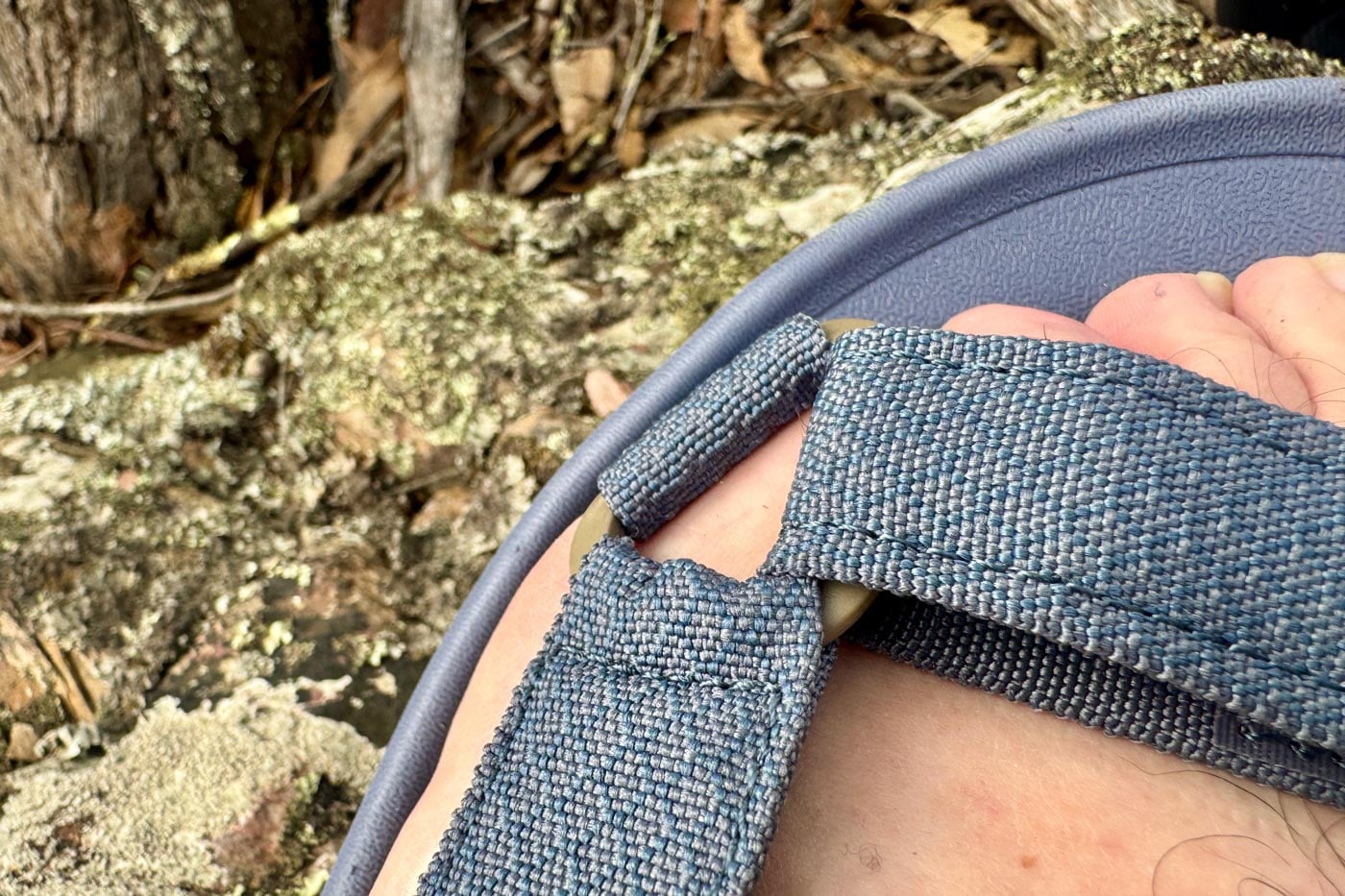
Getting the fit dialled in initially can take some patience. The three-strap system offers a lot of adjustability, but until you’ve found your sweet spot, there can be some trial and error, a few people have noted minor strap irritation during the initial break-in period.
I also found that the hardware where the toe strap meets the sole occasionally rubbed against my small toe on longer outings, particularly before I’d fine-tuned the fit. It wasn’t a dealbreaker, but worth being aware of and adjusting for early. Once everything is set correctly, this tends to resolve, so take the time to get it right before heading out on a long walk rather than discovering a pressure point at the 3km mark.
At $120 RRP, these are positioned at the premium end of the trail sandal market. That’s not unreasonable given the build quality, materials and the sustainability story behind the product, but it’s worth noting if budget is a constraint. There are cheaper options out there, though in my experience you generally get what you pay for with footwear.
Finally, as with any open footwear, you’ll encounter trail debris: the odd small rock, twig, or piece of grit finding its way underfoot. It’s an inherent characteristic of sandals rather than a product flaw, but it serves as a reminder that these aren’t designed to replace boots on rough, scrubby tracks. For Australian hikers, the open design also means significantly reduced protection in snake-prone areas, a factor that should guide your choice of terrain and season when opting for sandals over closed shoes.
Taken together, the Zorali Trailblazer Sandal is a well-made, trail-capable sandal that earns its place as a serious option in warm conditions. The comfort is excellent, the fit is highly adjustable once you’ve dialled in the three straps, performance on varied terrain, including wet terrain, is solid, and the build quality suggests it’ll last. The quick-dry webbing stands out if your hiking involves water crossings.
At $120 RRP, it’s not cheap, and the trade-offs are real: less forefoot protection on descents, a toe strap that can rub before you’ve found the right tension, and no protection at all against ground hazards like snakes. But if you’re after gear from an Australian brand with a genuine sustainability commitment, and you take the time to get the straps set up properly before you head out, it’s a solid piece of kit for warm-weather hiking.
Quick Summary
| PROS | CONS |
|---|---|
| Excellent comfort: Great out-of-the-box comfort with genuine arch support and cushioning | Adjustment learning curve: Takes some patience to dial in the fit initially |
| Highly adjustable: Three-strap system accommodates almost any foot shape | Premium price: $120 RRP positions these at the higher end of the market |
| Quick-drying: Webbing dries fast, ideal for river crossings and wet conditions | Limited protection: Open construction increases exposure to debris, impact, and environmental hazards—including sharp terrain, sun exposure, and reduced protection in snake-prone areas |
| Durable build: Solid construction using recycled materials; holding up well after extended use | |
| Versatile: Works equally well on easy trails and in casual everyday settings | |
| Sustainability: B Corp certified, carbon neutral, 1% for the Planet |
Where to Buy
The Zorali Trailblazer™ Sandal is available directly from the Zorali website (zorali.com.au) and through selected Australian outdoor retailers.
RRP: $120.00 AUD
Available in a range of colour options and unisex sizing.
Technical Specifications
| Specification | Detail |
|---|---|
| Product Name | Zorali Trailblazer™ Sandal |
| RRP (Australia) | $120.00 AUD |
| Weight | 255g per sandal / 510g per pair |
| Midsole | EVA—cushioned with arch support |
| Outsole | TPR (Thermoplastic Rubber), deep lug pattern |
| Straps | 3 x adjustable hook-and-loop (forefoot, ankle, heel) |
| Webbing Material | 100% recycled polyester |
| Water-Appropriate | Yes, quick-dry webbing, suitable for river crossings |
| Heel Protection | Cushioned heel pad |
| Sizing | Unisex |
| Colour Options | Multiple, see zorali.com.au |
| Construction | Vegan |
| Sustainability | Certified B Corp, Carbon Neutral, 1% for the Planet |
| Repair Guarantee | Lifetime repair guarantee (Zorali) |
| Suitable For | Hiking, travel, water activities, casual wear |




Have you ever tackled a tough trail in sandals? What’s your go-to footwear for those rugged Aussie paths?
Trail Hiking Australia I do find sandals useful when walking along a beach or sandy track for day hikes. Also useful for creek or river crossings if you aren’t keen on getting your boots wet. Wet boots doesn’t really phase me on day hikes though. Tried them a few times with a heavier pack and they don’t really offer enough support. I only use them on overnight or multi-day walks on water crossings and when I’m around camp to let me feet breathe.