Footwear fit is one of the most important and most commonly misunderstood parts of hiking preparation. Even the best hiking boots or shoes will cause problems if they don’t fit properly. Poor fit leads to blisters, bruised toenails, loss of stability, and fatigue, and all of that can quickly turn into a safety issue on the track. Getting fit right isn’t about how a shoe feels in the shop. It’s about how your feet behave over long distances, under load, and across uneven terrain.
I want to explain how hiking footwear should fit, why fit matters in real Australian conditions, and how to avoid the mistakes I see cause foot problems on the trail again and again.
Why Footwear Fit Matters on the Track
Hiking puts sustained and uneven stress on your feet. Pack weight increases pressure through the forefoot and heel, rough surfaces demand constant stabilisation, and long descents drive your toes forward with every step. Heat and time on your feet cause swelling, which changes the fit as the day goes on.
Australian conditions often magnify all of this. Hard-packed tracks, rocky descents, long distances between rest points, and warm weather all increase the chances of foot movement, friction, and swelling. Footwear that feels fine for a short walk can become uncomfortable or unsafe after several hours on the track.
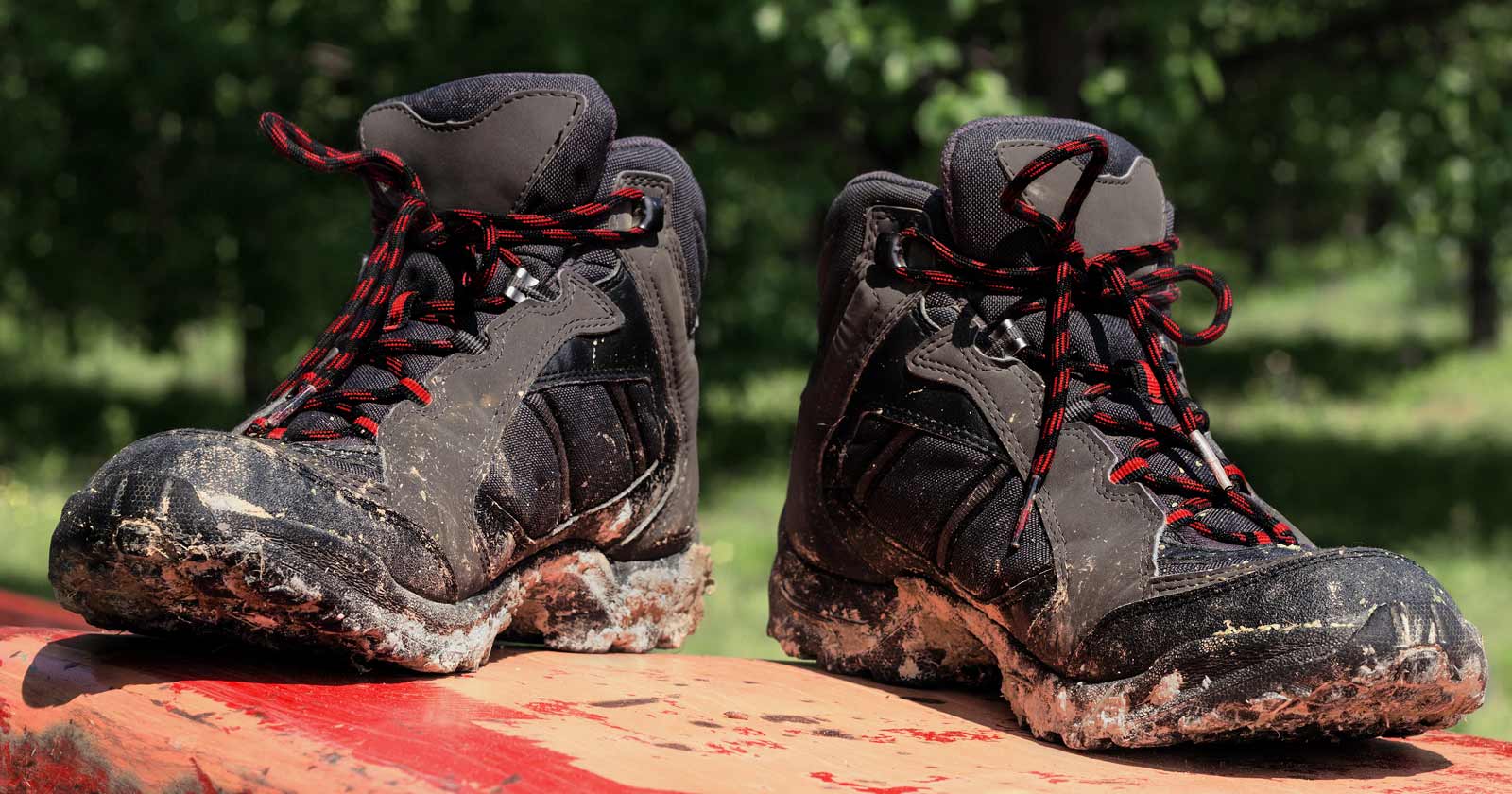
Understanding Footwear Size for Hiking
Why Hiking Footwear Often Needs to Be Larger
Hiking footwear commonly fits differently to everyday shoes, and I find many hikers need a slightly larger size than their casual footwear to allow for real-world conditions. Feet swell during walking due to increased blood flow, heat, and repeated impact. That swelling is normal and expected, especially on long days or in warm weather, and footwear that fits snugly first thing in the morning can become restrictive later, leading to pressure points, numbness, or toenail damage.
Hiking socks are also thicker than everyday socks. They give you cushioning, moisture management, and insulation, but they take up more space inside the shoe, so footwear has to accommodate that bulk without compressing the foot. Downhill walking also places repeated forward pressure on the toes, so adequate space lets them spread and absorb impact rather than striking the front of the shoe.
How Much Bigger Is Appropriate?
There’s no universal rule, but moving up half a size is a reasonable starting point. Some hikers need a full size increase, particularly if they have wide feet, wear thicker socks, or regularly hike long distances under load. Rather than fixating on numbers, I’d focus on function. When laced firmly, your foot should feel secure without your toes touching the front of the footwear during descents.
Key Fit Areas to Assess
Length and Toe Room
When you’re standing normally, there should be clear space in front of your longest toe. On descents, your toes shouldn’t make contact with the front of the shoe. A useful check is to walk downhill on an incline while wearing a loaded pack if you can. As a general guide, I’d want roughly a thumb’s width between your longest toe and the front of the footwear, but always confirm this under movement rather than measuring it statically.
Width and Forefoot Shape
Your forefoot needs room to spread naturally when it’s weighted. Footwear that’s too narrow causes hot spots, blisters, and pressure along the sides of the foot, particularly in warm conditions or over long distances. Footwear that’s too wide lets the foot slide instead, increasing friction and reducing control. Width has to match your foot shape, not just your shoe size.
Heel Hold and Stability
The heel should feel secure with minimal lift when walking. Some movement is normal, especially in new footwear, but noticeable heel rise increases blister risk and reduces your confidence on steep or uneven terrain. Good heel hold comes from the shape of the footwear and correct lacing, not from cranking the laces tighter. If the heel still lifts excessively when laced properly, that footwear probably isn’t right for your foot shape.
Foot Shape and Volume
Feet vary a lot in shape and volume. Two people with the same foot length can need very different footwear. High-volume feet need more internal space to avoid pressure across the instep. Low-volume feet often struggle with excess movement inside footwear that technically fits in length and width. Some hikers have wide forefeet and narrow heels, which makes fit more challenging and is exactly why I’d try multiple models rather than relying on size alone.
Understanding your own foot shape explains why certain brands or models consistently work better for you than others do.
Socks and Insoles Are Part of the Fit System
Socks
Hiking socks are part of the footwear system and need to be considered during fitting. Always try footwear on with the socks you intend to hike in, including any layering. In Australian conditions, moisture management is critical, and socks that trap moisture increase friction and blister risk, particularly when they’re combined with poor fit.
Insoles
Insoles change how your foot sits inside the footwear by altering volume, support, and alignment. If you’re planning to use aftermarket insoles, fit them at the same time as the footwear. Adding them later can turn an otherwise good fit too tight or unstable.
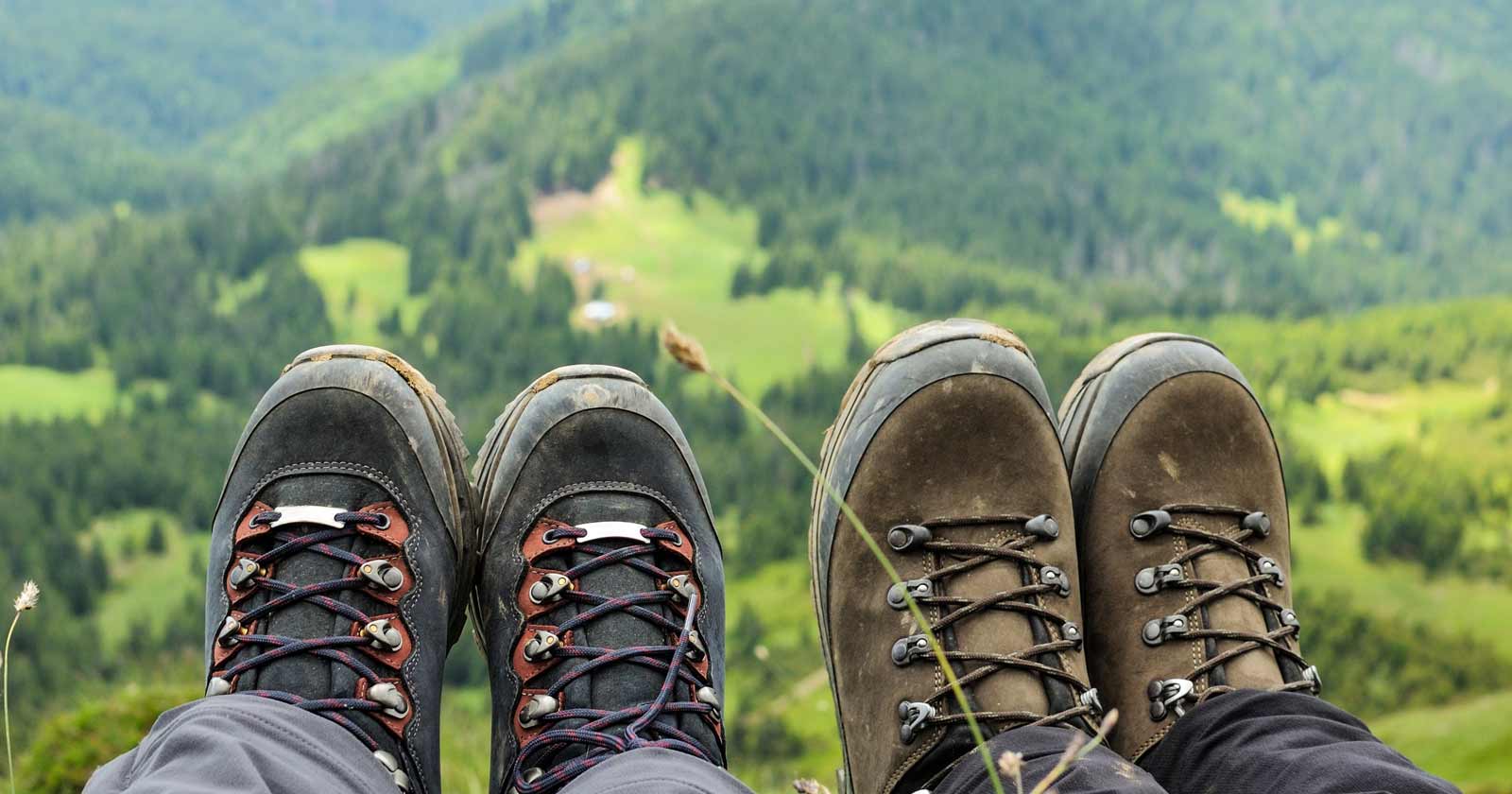
How to Properly Test Fit
Try footwear on later in the day when your feet are slightly swollen. This better reflects how they’ll feel after hours on the track.
When assessing fit
- Wear your intended hiking socks
- Lace the footwear firmly, adjusting tension across different zones
- Walk on inclines and declines to test toe clearance and heel hold
- Perform knee bends and step-down movements
- Check for pressure points rather than relying on initial comfort
If one foot is larger than the other, always fit the larger foot. You can usually manage minor differences on the smaller foot with socks or lacing adjustments.
Allowing for Swelling on Long Walks
Foot swelling is unavoidable on long or hot hikes. Footwear should leave enough space to accommodate that swelling without becoming restrictive. A fit that feels slightly roomy when you’re standing still often performs better over distance than a tight, precise fit.
This matters even more on multi-day hikes, where swelling can build up from one day to the next.
Brand and Model Differences
Sizing isn’t consistent across brands. Different manufacturers use different lasts, which results in varying toe box shapes, heel cups, and overall volume. A size that fits well in one brand can feel completely wrong in another, which is why I’d rate fit above brand loyalty every time. Trying multiple models and brands is often what it takes to find footwear that actually matches your foot shape and hiking style.
Common Fit Mistakes
- Choosing footwear based on everyday shoe size
- Assuming tight footwear will loosen enough over time
- Ignoring width and foot volume
- Trying footwear on with unsuitable socks
- Failing to test fit on descents
Modern hiking footwear should feel comfortable from the start. Materials may soften slightly, but fundamental fit problems rarely resolve themselves with use.
Breaking In and Pre-Trip Testing
Even well-fitting footwear benefits from a gradual break-in. Short walks with increasing distance and load help you catch pressure points early. Testing footwear on terrain similar to your intended hikes, especially downhill sections, is essential, because a lot of fit problems only show up under load or on descents.
Fitting your footwear is really about understanding how your feet respond to distance, load, terrain, and heat, not just how a shoe feels in a shop. Length, width, heel hold, and volume all play into comfort, control, and injury prevention. When you allow for swelling, wear the right socks, and properly test fit before you commit, you cut the risk of blisters, toenail damage, and foot pain considerably, and well-fitted footwear lets you move with more confidence across whatever terrain you’re on.




Great article