Most difficult situations in the outdoors do not begin with reckless decisions.
They begin with plans that feel reasonable at the start of the day.
The weather forecast looks manageable. The route appears straightforward. The track is popular enough that it feels familiar, even if you have never walked it before. Photos show people standing on the summit in clear conditions. Nothing suggests the day will become difficult.
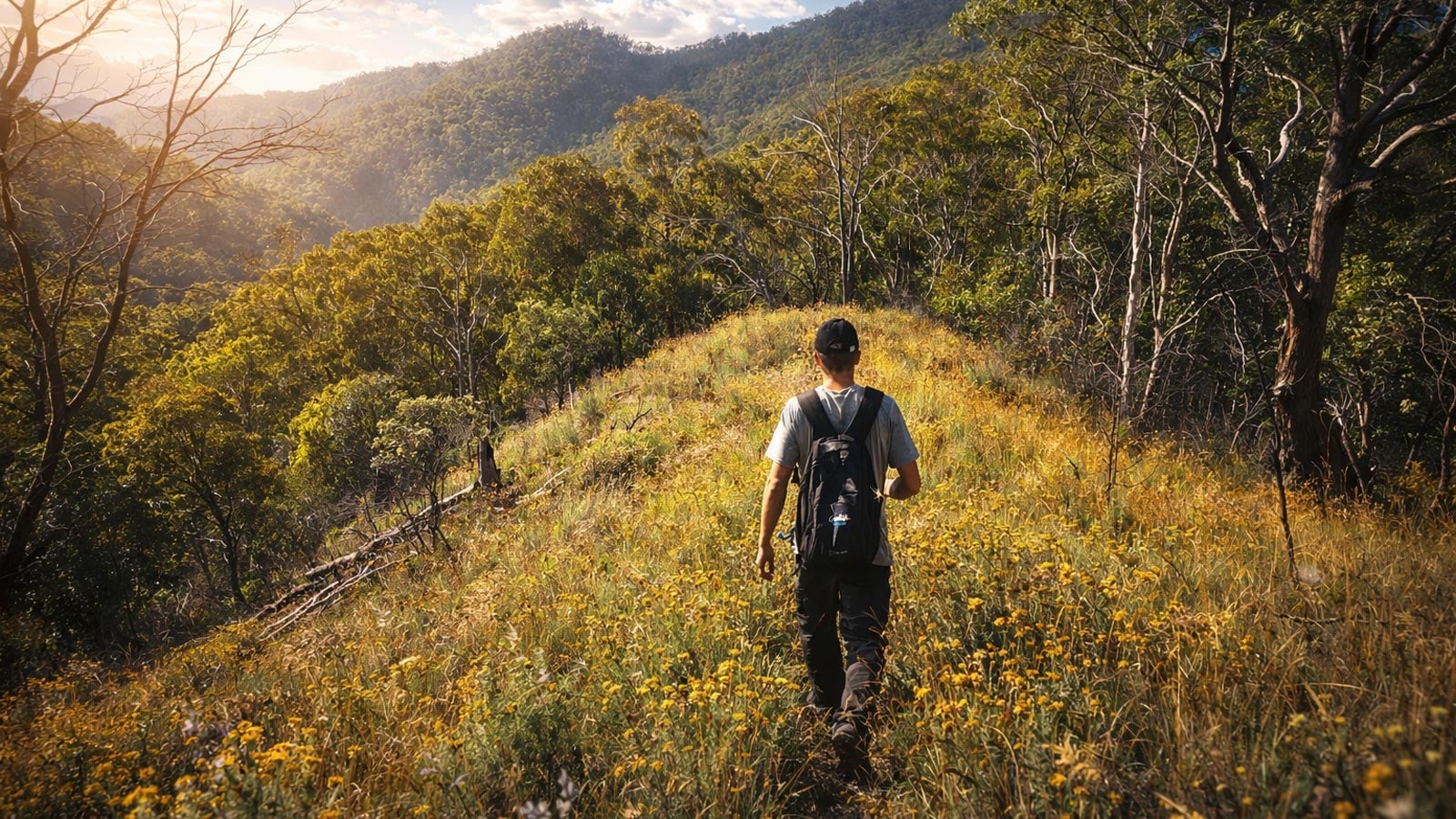
At the trailhead, confidence is high. Packs are adjusted, boots are tightened, and the first kilometres pass easily.
The plan feels sound.
The challenge emerges later, as conditions begin to diverge from what was originally expected.
When Reasonable Decisions Begin to Shift
When people hear about hiking incidents, the assumption is often that someone made a clearly poor decision.
In practice, the situation is usually far more subtle.
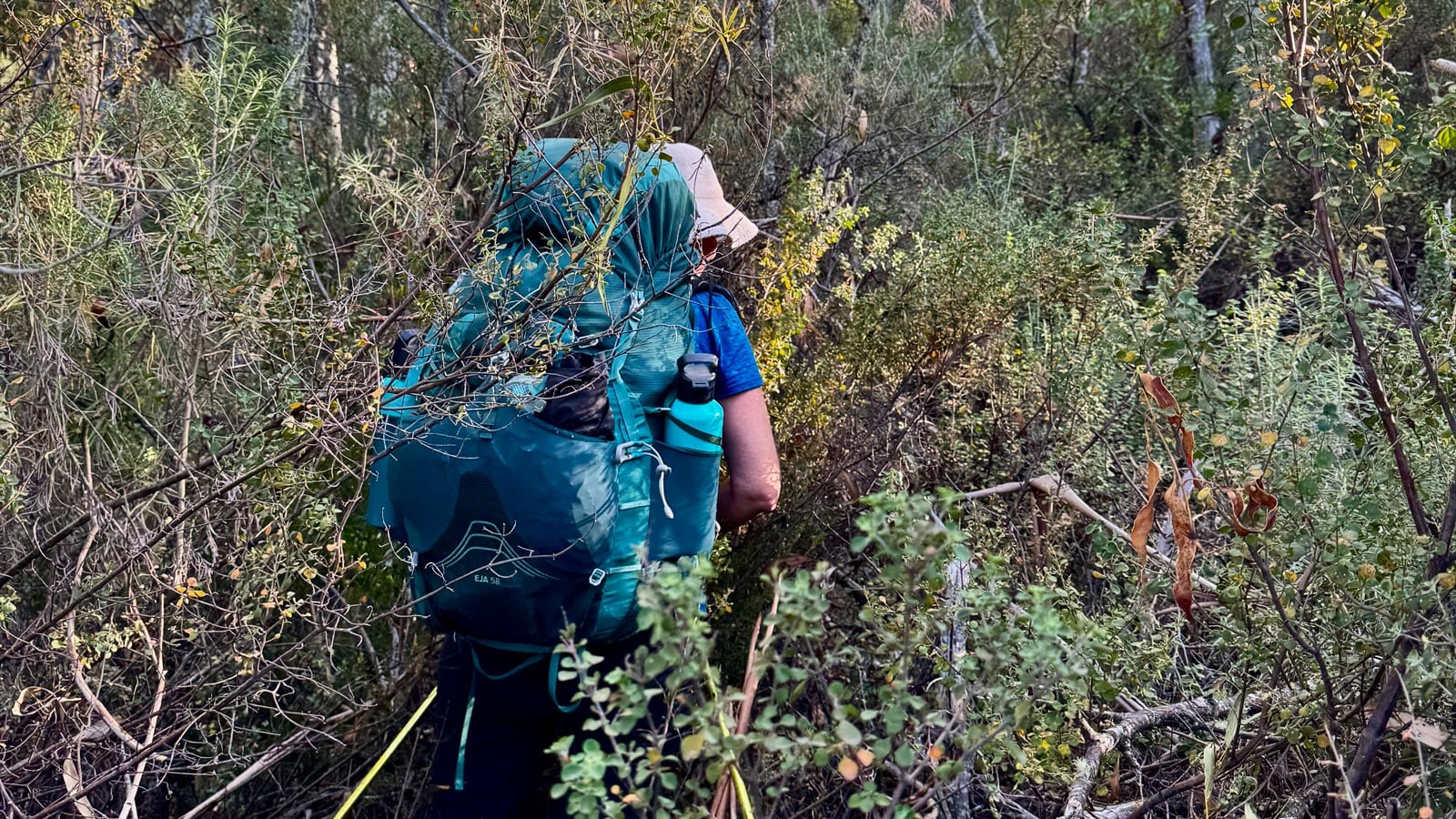
Hikers rarely set out intending to take unnecessary risks. Instead, the day gradually becomes more complex. Progress is slower than expected. The terrain proves more demanding than the map suggested. Water is consumed faster than planned. Weather begins to shift.
None of these changes feel dramatic on their own. Each adjustment seems reasonable at the time.
But together, they begin to change how the situation is interpreted and how decisions are made.
The Role of Psychology in the Field
As conditions begin to drift, human judgement becomes part of the system.
People naturally assume that if others have completed a hike, they can do the same. Social media reinforces this by showing curated moments of success rather than the full experience of the day. The effort, uncertainty and changing conditions rarely appear in a photograph.
There is also a strong pull toward completing the original objective. Once time, effort and expectation have been invested, turning back can feel like failure. Continuing feels justified.
These are not signs of recklessness. They are normal patterns in human decision-making.
The difficulty is that they operate quietly, often without being recognised.
Read more at The Psychology Behind Risky Hiking Decisions →
How Pressure Builds Across Systems
In the field, decisions are shaped by the interaction between multiple systems.
Fatigue gradually reduces clarity. Dehydration affects concentration. As time passes, daylight margins shrink and pressure to maintain progress increases.
These factors begin to interact.
A slower pace increases time exposed to weather. Longer exposure increases fatigue. Fatigue reduces decision quality. Reduced decision quality increases the likelihood of navigation errors or delayed reassessment.
Pressure begins to move across systems.
Each change may seem manageable in isolation, but together they alter the conditions in which decisions are being made.
A decision that felt reasonable at the trailhead can become far more complex several hours later.
Why Plans Begin to Drift
One of the most challenging aspects of decision-making in the outdoors is that the early stages of a problem rarely feel urgent.
A slower pace feels like a minor delay. A change in weather appears temporary. A missed turn adds only a short detour.
Because the shift is gradual, hikers often continue adjusting their plan rather than stepping back to reassess the bigger picture.
Turning around early feels unnecessary. Turning around later becomes more difficult as fatigue increases and distance from the trailhead grows.
The original plan slowly loses alignment with the conditions on the ground, yet momentum continues to push the day forward.
By the time the situation feels serious, the available options may already be limited.
Seeing Decision-Making as a System
This is where most explanations fall short.
Outdoor incidents are often framed as the result of a single poor decision. In reality, they emerge from the interaction of multiple factors at the same time.
Environmental exposure, hydration, energy levels, navigation certainty, equipment reliability and communication capability all influence the margin of safety.
At the centre of these systems sits human judgement.
When several systems begin to degrade together, the ability to assess risk clearly becomes more difficult. Fatigue narrows focus. Changing conditions introduce uncertainty. Time pressure begins to shape choices.
Understanding these interactions explains why even experienced hikers can occasionally find themselves in difficult situations.
The issue is rarely a lack of intent or awareness.
It is how human judgement responds under pressure.
Before You Head Out
On your next hike, pay attention to how your decisions feel as the day unfolds.
Notice when progress begins to slow. When conditions differ from what you expected. When continuing feels easier than reassessing.
Ask yourself:
- Is my plan still aligned with the conditions on the ground?
- Which systems are starting to come under pressure?
- What happens next if I continue?
These questions are not about avoiding risk.
They are about recognising when the situation is beginning to shift, while there is still time to respond.
Explore the Safety Systems
If you want to go deeper into how these systems interact in real-world conditions: