Where Tall Forests Meet the Yarra Headwaters
Overview
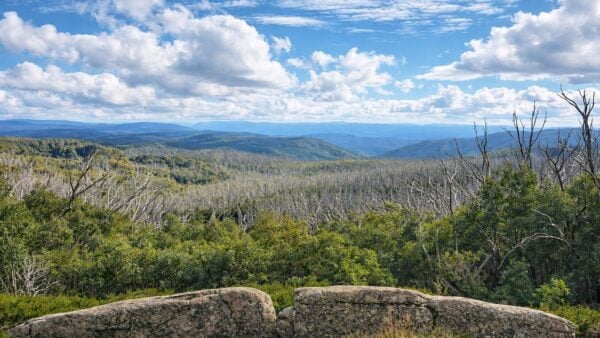
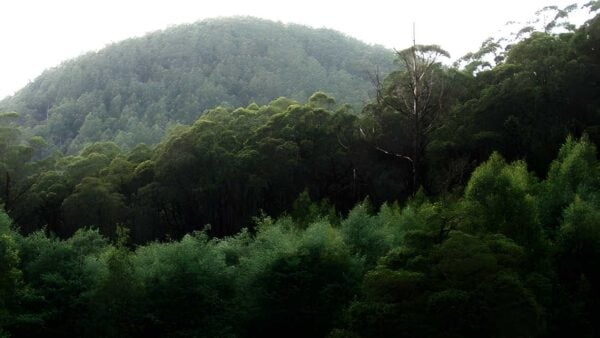
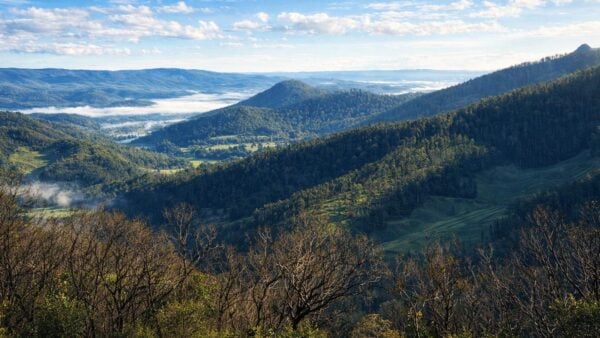
Yarra Ranges National Park protects a broad sweep of mountain country in Victoria’s Central Highlands, about 60 kilometres north-east of Melbourne. It spreads around the uplands near Healesville, Warburton and Marysville, with forested ridgelines, cool gullies and upper catchments that shape much of the landscape east of the city.
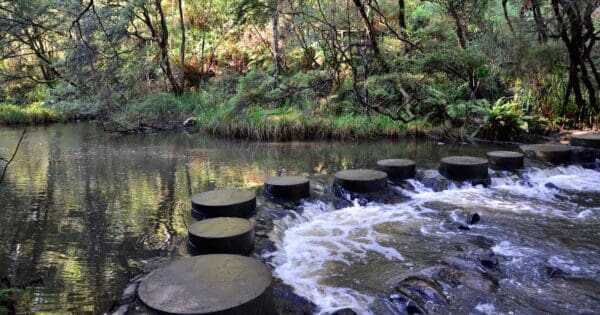
This is a park of height, moisture and scale. Much of it is covered by montane wet forest, wet sclerophyll forest and cool temperate rainforest, and a large part of the park also forms protected water supply catchment. The overall feel is deeply green and mountainous, with the Yarra River and clear forest streams rising through dark, sheltered country.
Highlights
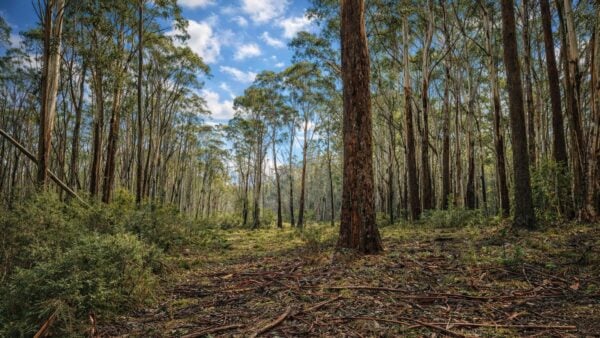
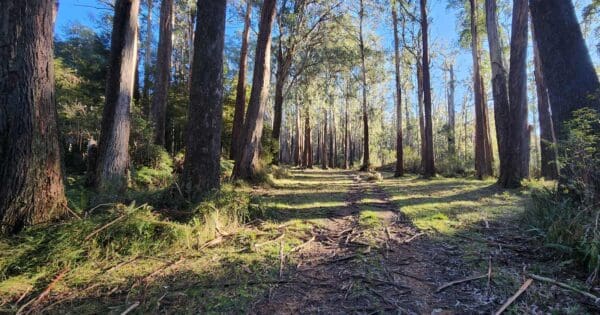
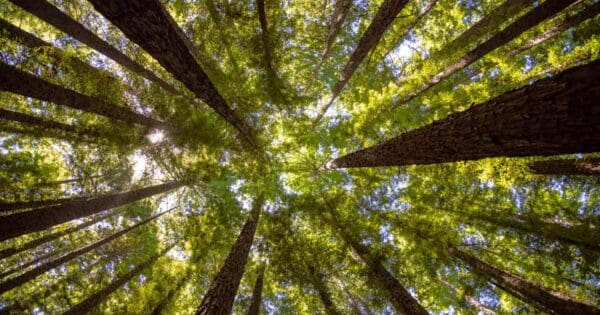
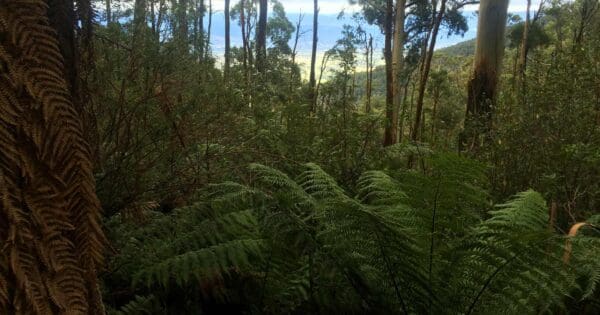
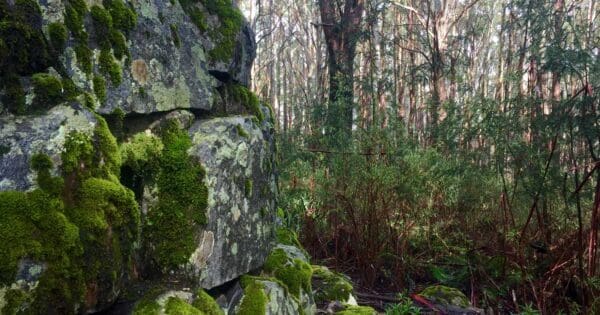
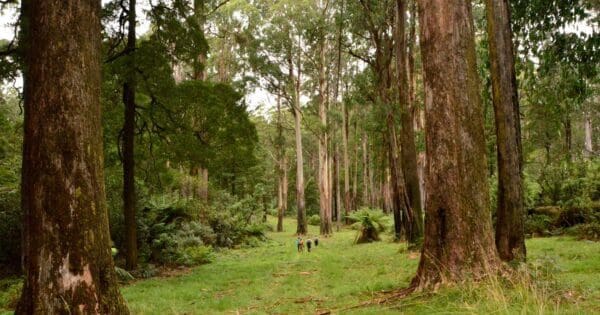
The park’s defining scenery is its tall forest. Mountain Ash rises above the canopy in some areas, especially along the Black Spur, where the road passes through one of the most striking stretches of towering ash forest in Victoria. In the gullies and more protected slopes, the mood changes again, with dense rainforest, mossy ground layers and fern-filled understorey.
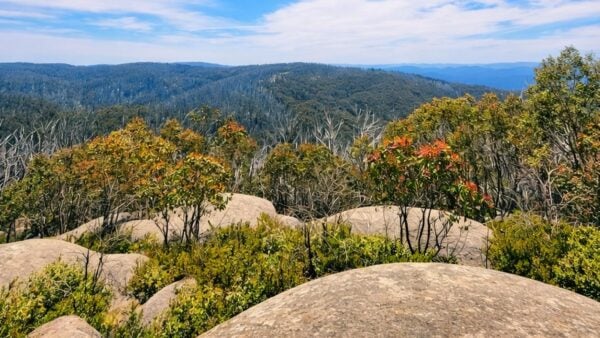
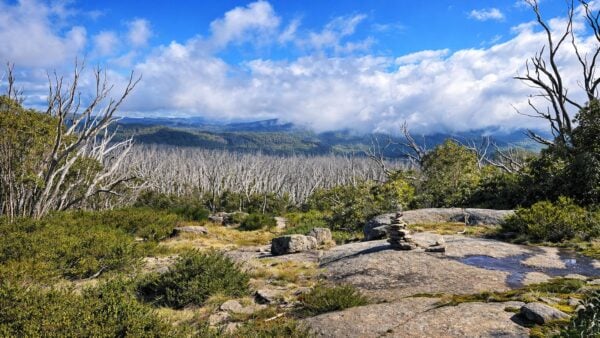
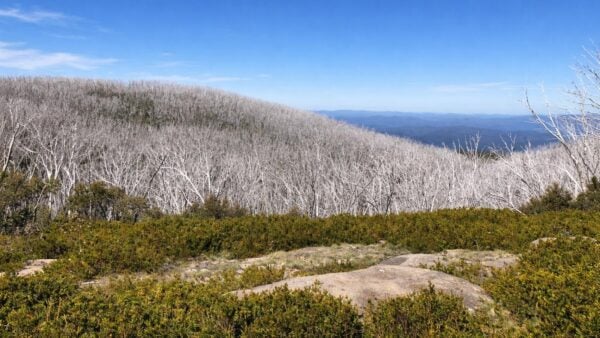
Higher up, Mount Donna Buang and Lake Mountain give the park a more open alpine edge. Mount Donna Buang is known for its elevated views, while Lake Mountain adds a different landscape character, with sub-alpine vegetation on the plateau and a cooler, more exposed feel than the deep forest lower down.
Best Time to Visit
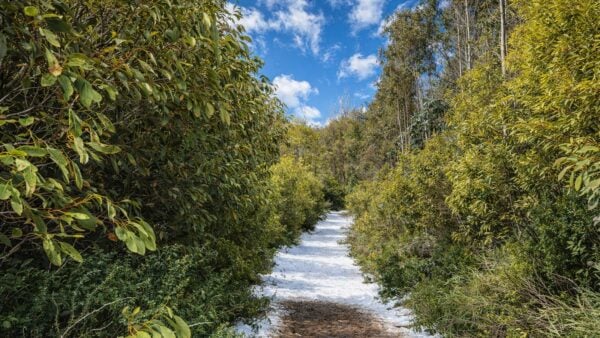
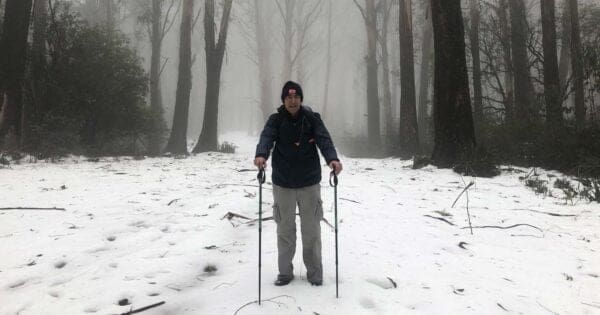
Yarra Ranges National Park changes noticeably with the seasons. The cooler months suit the misty forests and higher country particularly well, and snow is a regular part of winter around Mount Donna Buang and Lake Mountain, usually from June to August. In spring and early summer, the gullies and wet forest feel especially fresh, with creeks running well and the canopy at its lushest.
Autumn can be a good time if you want clear air and a quieter feel in the mountain country. Summer still works well in the higher parts of the park, where altitude and forest cover keep conditions cooler than Melbourne.
Plants and Animals
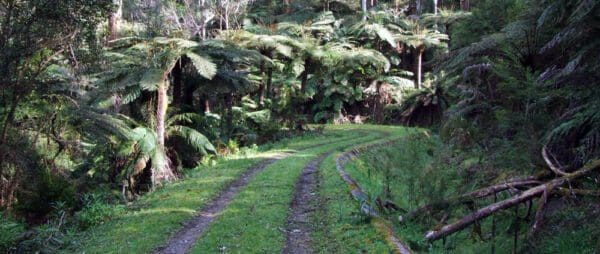
The vegetation is one of the main reasons this park stands out. Its forests include veteran Mountain Ash, mature wet sclerophyll communities, montane wet forest and pockets of cool temperate rainforest. In sheltered gullies you’ll also find Myrtle Beech, soft tree-ferns and other moisture-loving plants that give parts of the park a distinctly temperate rainforest character.
The park supports significant native fauna as well, including habitat for threatened species such as Leadbeater’s Possum. Large hollow-bearing trees are an important part of that picture, especially in the older ash forests, and they help explain why the park’s mature forest areas matter far beyond their scenic appeal.
Culture and Heritage
Yarra Ranges National Park is part of an Aboriginal cultural landscape with a direct connection to the Wurundjeri People. The park also contains Aboriginal cultural sites, and recorded evidence points to a much broader pattern of use and occupation across the area than the currently documented sites alone suggest.