Sorry, no records were found. Please adjust your search criteria and try again.
Sorry, unable to load the Maps API.
Explore stunning hiking trails of Wyrrabalong National Park
Discover the diverse trails of Wyrrabalong National Park, New South Wales, offering hikes and walks for all skill levels and interests. Find your perfect adventure today.
Discover 6 hiking trails in Wyrrabalong National Park
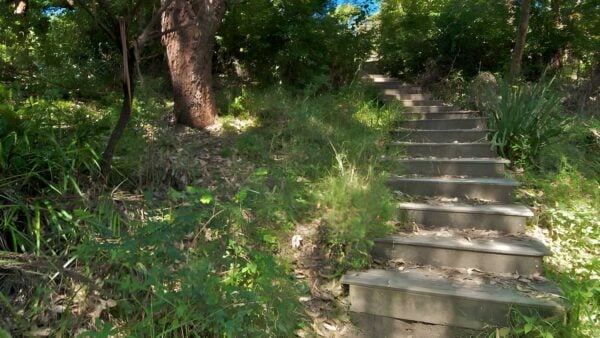

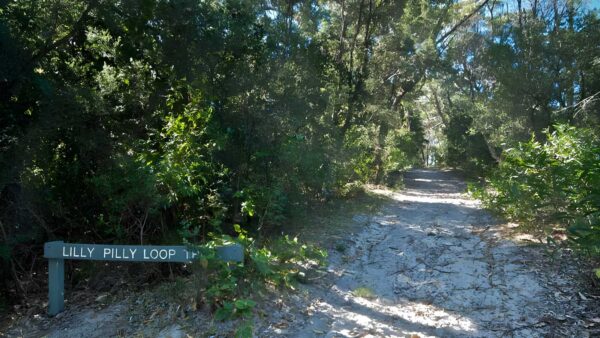
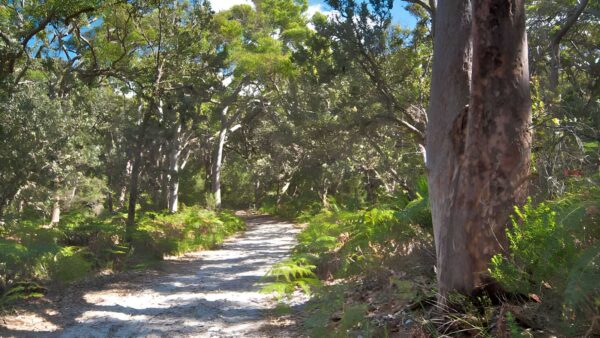
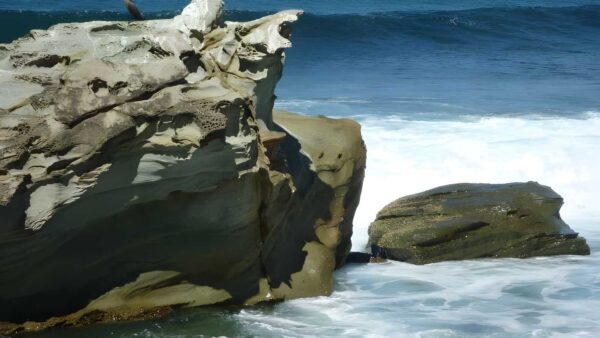

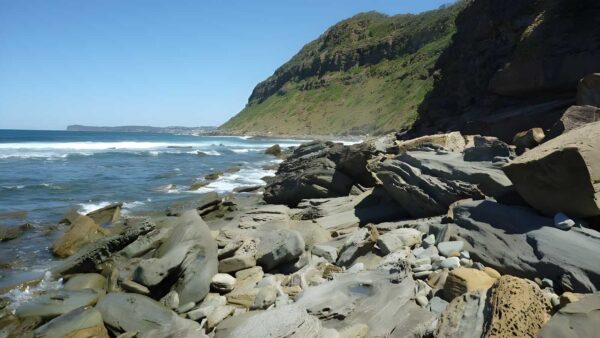
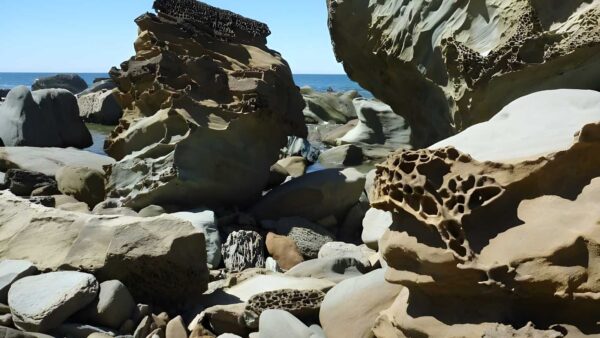
Clifftops, dunes and lake islands at Wyrrabalong
Overview
Wyrrabalong National Park stretches across two separate coastal sections near The Entrance on the Central Coast, about 105 kilometres north of Sydney. It includes North Wyrrabalong on the North Entrance Peninsula, South Wyrrabalong south of The Entrance, and four islands within Tuggerah Lake. What makes the park feel distinctive is that mix of landscapes in a relatively compact area, from barrier dunes and lake-edge wetlands to headlands, sea cliffs and offshore rock platforms.
The park protects some of the Central Coast’s most important remaining coastal habitats, including the largest stands of littoral rainforest and Sydney red gum in the region, along with significant freshwater wetlands and six endangered ecological communities. Even though surrounding suburbs are never far away, much of the park still feels like a continuous strip of coast and bush held between lake and ocean.
Highlights
North Wyrrabalong is shaped by an intact barrier dune system that separates Tuggerah Lake from the Pacific Ocean. That gives this part of the park a layered coastal character, with ocean beach on one side, wetlands and lake foreshore on the other, and pockets of rainforest and red gum forest behind the dunes.
South Wyrrabalong has a very different feel, with coastal cliffs, rocky headlands and platforms above the ocean. The scenery here is especially dramatic around the higher lookouts, and the park includes the highest coastal cliff between Sydney and Newcastle. Across both sections, the contrast between lake, dunes, forest and clifftop coast is what gives Wyrrabalong its strong sense of place.
Best Time to Visit
Wyrrabalong works well across the year because its appeal changes with the seasons rather than depending on one short window. The cooler months tend to suit longer walks and time on the exposed headlands, and the elevated coastal viewpoints are well known for land-based whale watching. Warmer months bring a different feel to the park, especially where wildflowers, wetlands and the lake-and-ocean setting are part of the experience.
Plants and Animals
Plant life is one of the park’s real strengths. North Wyrrabalong holds the largest intact remnant of littoral rainforest on the NSW Central Coast, and the red gum forest there is also a standout local community. Around the lake edge and northern lowlands, wetlands support swamp forest, paperbark, swamp oak and other moisture-loving vegetation, while the southern section adds coastal heath and grassy headland communities.
The variety of habitats supports a wide spread of wildlife. The park provides important feeding and roosting habitat for migratory birds around the lake foreshore, islands and rock platforms, and it also protects habitat for threatened species including the squirrel glider, magenta lilly pilly and rough doubletail orchid. That mix of rainforest, wetland, dunes, headlands and islands is what gives the park such ecological range.
Culture and Heritage
Wyrrabalong National Park is in the traditional Country of the Darkinjung and Awabakal Aboriginal people. The park contains a variety of Aboriginal sites, including an extensive midden at Pelican Point, showing a long connection between people and this coastal landscape.
Find more places to explore…
Help expand the trail collection!
Know of an official trail not listed on Trail Hiking Australia? I’m focused on showcasing the best tracks managed by land managers, and I’d love your help! Sharing a trail adds to our community and helps others discover safe, new adventures.
Submit your trail here

