Sorry, no records were found. Please adjust your search criteria and try again.
Sorry, unable to load the Maps API.
Explore stunning hiking trails of Wombeyan Karst Conservation Reserve
Discover the diverse trails of Wombeyan Karst Conservation Reserve, New South Wales, offering hikes and walks for all skill levels and interests. Find your perfect adventure today.
Discover 3 hiking trails in Wombeyan Karst Conservation Reserve
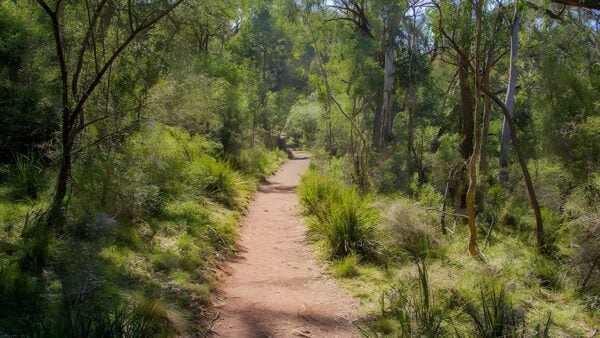

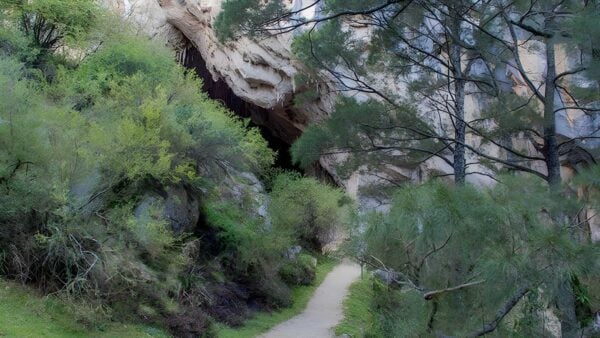
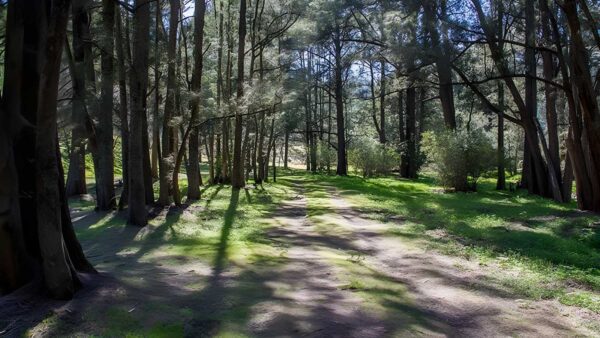
Ancient Limestone, Archways and Creek-Carved Country at Wombeyan
Overview
Wombeyan Karst Conservation Reserve is a compact but striking karst landscape in the Southern Highlands of New South Wales, about 190km south-west of Sydney. The reserve covers 417 hectares and is centred on an extensive limestone cave system shaped over a very long geological history. Around the caves, the country shifts between forested creeklines, rocky slopes and limestone outcrops, giving the place a character that feels quite different from the surrounding tablelands.
This is one of only four karst conservation reserves in New South Wales, and it holds an important place in the state’s conservation history. An area around the caves was reserved in 1865, making Wombeyan the first place in Australia set aside specifically for cave protection.
Highlights
The defining feature here is the karst itself. The limestone in the reserve is around 430 million years old, and the caves show the slow work of water through chambers, passages and mineral decorations such as stalactites and stalagmites. Even above ground, the land carries that same geological drama, with exposed limestone and sharply defined formations giving the whole reserve a distinct shape and texture.
Victoria Arch is one of the standout natural features, a huge limestone arch that gives a real sense of the scale of the cave country. Mares Forest Creek gorge adds another layer to the landscape, cutting through the reserve with moist, sheltered vegetation that contrasts with the drier rocky slopes nearby.
Best Time to Visit
Wombeyan suits different seasons for different reasons. Cooler months are often the most comfortable for walking and spending time around the reserve’s exposed limestone country, while the caves themselves keep a more even atmosphere year round. After wetter periods, the forest around the creeks can feel especially fresh and shaded, which adds to the contrast between the enclosed gorge country and the open rock formations.
If you are choosing for scenery rather than logistics, spring and autumn are usually the most balanced times to appreciate both the surface landscape and the cave environment without the harsher heat of summer.
Plants and Animals
The reserve protects more than caves. Moist forest along the creeks supports birds such as superb lyrebirds, eastern whipbirds and flycatchers, while the rocky country is also used by birds of prey including brown goshawks and wedge-tailed eagles. Tawny frogmouths are part of the mix as well, though they are easy to miss against the branches.
Wombeyan also shelters a noteworthy range of cave and forest fauna. The reserve supports at least five bat species, including the eastern bentwing-bat, and it is recognised for having the most diverse invertebrate cave fauna recorded in New South Wales. Among the plants, Chalkers wattle is an uncommon species associated with the reserve.
Culture and Heritage
Wombeyan Karst Conservation Reserve lies within the traditional lands of the Gundungurra People. The caves are connected to the Dreamtime story of Gurangatch and Mirragan, which tells of the forming of Wombeyan and Jenolan caves, and the reserve also contains evidence of Aboriginal occupation across much of the area.
The place also carries an important conservation history. The original cave reserve created in 1865 marked the beginning of formal cave protection here, and some structures dating from the early 1900s remain within parts of the cave system.
Find more places to explore…
Help expand the trail collection!
Know of an official trail not listed on Trail Hiking Australia? I’m focused on showcasing the best tracks managed by land managers, and I’d love your help! Sharing a trail adds to our community and helps others discover safe, new adventures.
Submit your trail here

