Sorry, no records were found. Please adjust your search criteria and try again.
Sorry, unable to load the Maps API.
Explore stunning hiking trails of Woko National Park
Discover the diverse trails of Woko National Park, New South Wales, offering hikes and walks for all skill levels and interests. Find your perfect adventure today.
Discover 2 hiking trails in Woko National Park
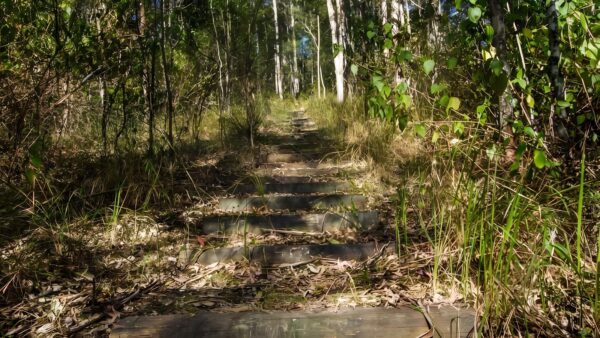

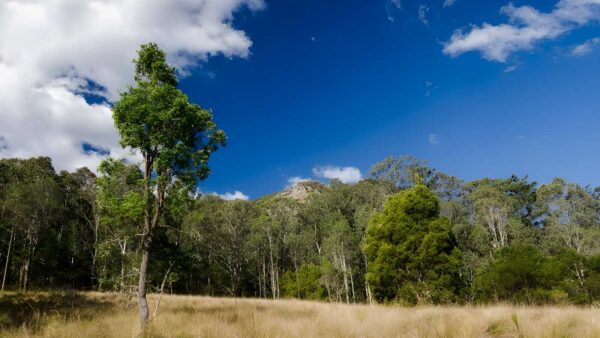
Escarpments, River Flats and Forested Slopes at Woko
Overview
Woko National Park is a steep, rugged park in the Manning Valley hinterland of New South Wales, where forested slopes drop to the Manning River and a much lower band of river flats. It protects an important stretch of country within the wider Great Eastern Escarpment, with a strong sense of enclosure created by ridgelines, rocky outcrops and deeply cut drainage lines.
The contrast in elevation gives the park much of its character. Mount Myra rises to 1057 metres, while the riverside country sits around 240 metres above sea level, so the landscape shifts quickly from warm river edges to higher, more exposed country. That mix of terrain and reliable rainfall also makes the park an important part of the Manning River catchment.
Highlights
The scenery here is shaped by abrupt changes in height and relief. Mount Myra and Vinegar Mountain anchor the skyline, and the ridges and escarpment edges give the park a bold, broken profile rather than a single broad plateau. Around the Manning River, the country opens out briefly before tightening again into steeper slopes and rocky rises.
What stands out most is the meeting of water, cliff-lined hills and thick forest. In one part of the park you get quiet river scenery and shaded flats, and in another the country feels more elevated and raw, with exposed high points and long folds of ridgeline carrying the eye across the valley.
Best Time to Visit
Woko suits cooler to mild months best, when walking feels more comfortable on the park’s steeper terrain and the river corridors are pleasant without the heavier heat of summer. Seasonal changes are less about dramatic colour and more about comfort, water in the landscape and how the forest feels on the day.
After wetter periods, the river, creeks and surrounding slopes tend to feel especially alive, which adds to the park’s appeal. Spring is also a rewarding time for seeing the bush at its freshest, particularly where native orchids and other smaller plants appear beneath the eucalypts.
Plants and Animals
Woko National Park supports a varied mix of forests and woodlands, with wet and dry rainforest also present across the broader park system it belongs to. The changes in altitude, slope and moisture create a patchwork of habitats rather than one uniform bush type, which is a big part of why the area holds strong conservation value.
The park is important wildlife country, especially as part of several regional movement corridors. Threatened species recorded in or identified for Woko include the brush-tailed rock-wallaby, koala, yellow-bellied glider, grey-headed flying-fox and southern myotis. Across the surrounding parks covered by the same management plan, the area also supports large forest owls, microbats and a notable range of significant plant species.
Culture and Heritage
There is clear evidence of long Aboriginal use of this country, including recorded modified trees, artefact scatters and shelters within the parks covered by Woko’s management plan. The park’s Aboriginal sites and cultural values are managed in consultation with relevant Aboriginal communities, and culturally modified trees are recognised as important features requiring protection.
Find more places to explore…
Help expand the trail collection!
Know of an official trail not listed on Trail Hiking Australia? I’m focused on showcasing the best tracks managed by land managers, and I’d love your help! Sharing a trail adds to our community and helps others discover safe, new adventures.
Submit your trail here

