Sorry, no records were found. Please adjust your search criteria and try again.
Sorry, unable to load the Maps API.
Explore stunning hiking trails of Willi Willi National Park
Discover the diverse trails of Willi Willi National Park, New South Wales, offering hikes and walks for all skill levels and interests. Find your perfect adventure today.
Discover 3 hiking trails in Willi Willi National Park
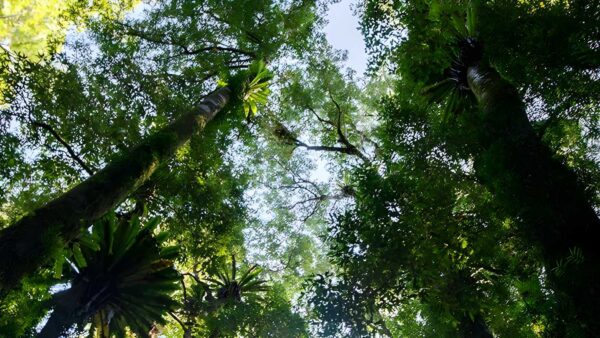


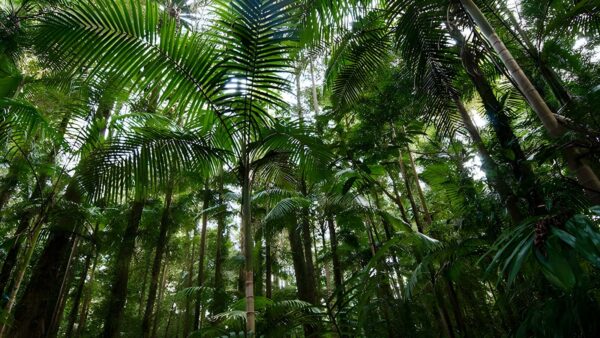
Ancient Rainforest and Rugged Range Country at Willi Willi
Overview
Willi Willi National Park sits on the eastern fall of the Great Dividing Range, about 50km west of Kempsey on the NSW Mid North Coast. It covers 30,030 hectares of steep mountain country, with deeply cut valleys, dense forest and a large remote interior. A substantial part of the park is protected as the 23,309 hectare Willi Willi Wilderness, which gives the whole area a notably wild, secluded feel.
This is a park shaped by wet forest. Subtropical and temperate rainforests, old growth forest and sections of World Heritage-listed Gondwana rainforest all come together here, making Willi Willi one of the most distinctive upland forest parks in this part of New South Wales.
Highlights
The park’s character comes from its dramatic range country. The terrain is steep and rugged, with forest-lined valleys, river corridors and prominent high country around Mount Banda Banda. The Wilson River and its tributaries add another layer to the scenery, including waterfalls and shady creek lines that cut through the rainforest.
One of the standout natural features is the Banda Banda section, where Antarctic beech and coachwood rainforest survives as part of the Gondwana Rainforests of Australia World Heritage Area. Across the park, the contrast between lower-altitude subtropical rainforest and cooler high-elevation forest gives Willi Willi a strong sense of variety without losing its overall lush, enclosed feel.
Best Time to Visit
Willi Willi is at its best when the forest is cool, green and comfortable for walking, which generally makes autumn through spring the most appealing time to be here. The park’s elevation and wet forest environment mean conditions are often milder than the coast, and the rainforest scenery tends to feel especially fresh after rain.
Summer can still be rewarding, especially along the river and in the shaded forest, but it is usually warmer and more humid. If your main interest is seeing the park’s rainforest character at its clearest, the cooler months are often the better choice.
Plants and Animals
Plant life is one of the big reasons Willi Willi stands out. The park protects a wide range of wet forest vegetation, including subtropical, warm temperate and cool temperate rainforest, along with wet and dry sclerophyll forest and pockets of open heath. More than half of the park is mapped as old growth forest, and it also contains one of the most significant stands of Antarctic beech forest in Australia.
The animal life reflects that mix of habitats. Threatened species recorded here include the spotted-tailed quoll, parma wallaby, yellow-bellied glider, koala, Booroolong frog, giant barred frog and stuttering barred frog. The park is also noted for its forest owls, bat diversity and other species tied to these moist upland forests and streams.
Culture and Heritage
Willi Willi National Park is in the traditional Country of the Dunghutti Aboriginal people and contains places of cultural significance. The park’s name comes from the Dunghutti word willai, meaning possum, with the repeated form understood as “many possumsâ€.
There is also a direct cultural connection to important places in and around the park. Kemps Pinnacle, near the park’s western boundary, is identified as a significant Aboriginal site, and the surrounding mountain country is connected with cultural practices linked to caring for food resources and maintaining balance with the land.
Find more places to explore…
Help expand the trail collection!
Know of an official trail not listed on Trail Hiking Australia? I’m focused on showcasing the best tracks managed by land managers, and I’d love your help! Sharing a trail adds to our community and helps others discover safe, new adventures.
Submit your trail here

