Sorry, no records were found. Please adjust your search criteria and try again.
Sorry, unable to load the Maps API.
Explore stunning hiking trails of Whitsunday Islands National Park
Discover the diverse trails of Whitsunday Islands National Park, Queensland, offering hikes and walks for all skill levels and interests. Find your perfect adventure today.
Discover 7 hiking trails in Whitsunday Islands National Park



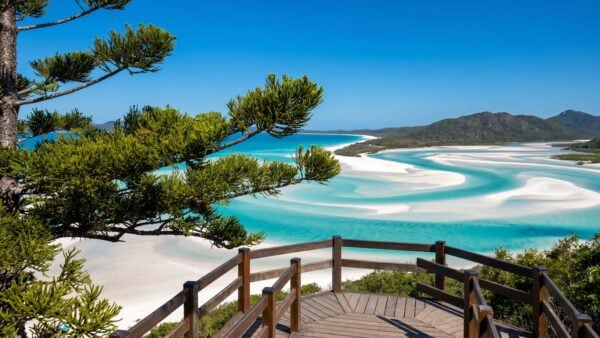
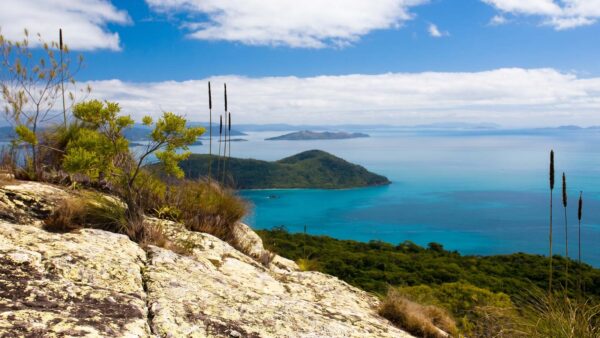

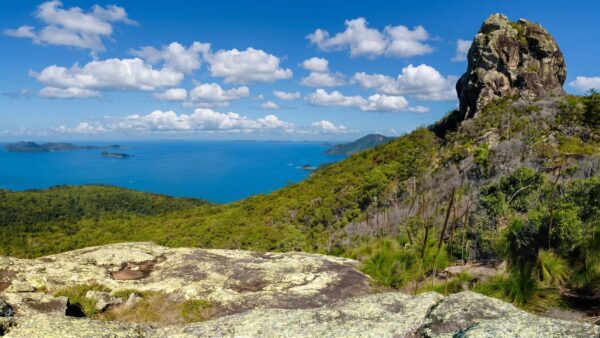
Volcanic islands, white silica sands and reef-fringed headlands
Overview
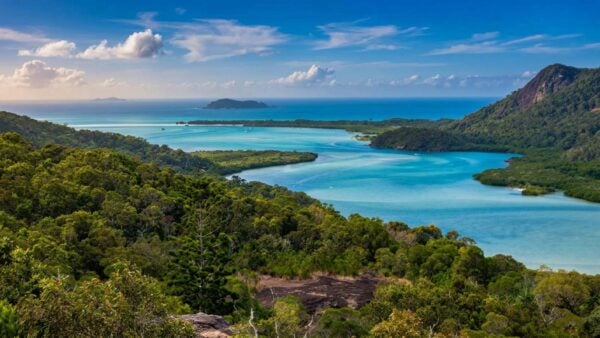
Whitsunday Islands National Park protects part of the island chain off the central Queensland coast, south-east of Airlie Beach, where steep continental islands rise straight from the Coral Sea. These are not coral cays but the tops of an older mainland mountain range, cut off by rising seas around 10,000 years ago. The result is a landscape of rugged headlands, sheltered inlets, wooded slopes and bright beaches set within the Great Barrier Reef World Heritage Area.
The park sits within the broader Whitsundays group, an area known for its strong contrast of dark green hills, aquamarine water and pale sand. Across the islands, native vegetation ranges from beach plants and mangroves at the shoreline to open eucalypt forest, grasslands and vine forest in sheltered gullies, giving the national park a surprising amount of variety for a coastal island landscape.
Highlights
The park’s distinctive character comes from its geology as much as its colour. These islands were shaped by long volcanic activity, then isolated by post-ice-age sea level rise, leaving a chain of rocky peaks, ridges and narrow inlets. On Whitsunday and Hook islands, the bedrock still shows the welded ash and rock fragments left behind by those ancient eruptions.
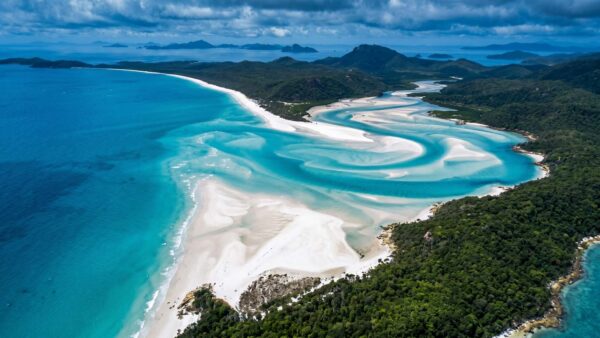
Whitehaven Beach is the best-known scenic feature within the park, with unusually pure silica sand that differs from the shell-and-coral sands found on many other Whitsunday beaches. Elsewhere, the appeal is in the contrast between steep headlands, quiet bays, fringing reefs and the repeating outline of island after island across the water.
Best Time to Visit
The Whitsundays are warm year-round, but the milder, drier months from around May to September usually make the landscape easiest to enjoy on foot. Winter and early spring tend to bring clearer skies, lower humidity and more comfortable daytime temperatures, which suit exposed island walking better than the wetter build-up and summer months.
Even outside that period, the park’s look changes with the season rather than losing its appeal. Dry-season light sharpens the coastline and headlands, while the warmer months bring a greener feel through the gullies and slopes.
Plants and Animals
Plant life changes quickly from shore to ridge. Along the beaches and foredunes, spinifex, sea bean and goat’s foot convolvulus help bind the sand, with coastal she-oaks and salt-tolerant shrubs behind them. Further inland there are mangroves, open eucalypt forest, native grasslands and sheltered patches of vine forest, often marked by the tall shapes of hoop pines on hillsides and headlands.
Birdlife is one of the park’s strongest natural features. White-bellied sea-eagles, brahminy kites and ospreys patrol the coast, while shorebirds forage around rocky edges and shallows. The islands also support species of conservation significance, and the surrounding waters and fringing reefs add another layer of habitat close to shore.
Culture and Heritage
The Whitsundays and the neighbouring coastal fringe are the traditional home of the Ngaro people, often known as the Canoe People. Their connection to these islands stretches back at least 9,000 years, with evidence including fish traps, stone tools and rock art at Nara Inlet on Hook Island. Middens there show that people were using the site about 2,500 years ago, and many other cultural places are spread across the islands.
The national park also reflects a longer conservation history in Queensland, with islands in the group being proclaimed as national parks from the late 1930s onward. Today, most of the wooded hills, rocky headlands and shingle beaches within this island park system are managed to protect their natural and cultural values.
Find more places to explore…
Help expand the trail collection!
Know of an official trail not listed on Trail Hiking Australia? I’m focused on showcasing the best tracks managed by land managers, and I’d love your help! Sharing a trail adds to our community and helps others discover safe, new adventures.
Submit your trail here

