Rivers, Rainforest and Harbour Country on Tasmania’s West Coast
Overview
West Coast Tasmania is a big, weather-shaped region of mountains, rivers, dense forest and long surf-beaten shoreline. Around Strahan, Queenstown and the wider Macquarie Harbour district, the landscape shifts quickly from temperate rainforest and tannin-dark rivers to open coast and rugged ranges. Much of the broader west is tied into large protected areas, including the Tasmanian Wilderness World Heritage Area, which gives this part of the state its sense of scale and remoteness.
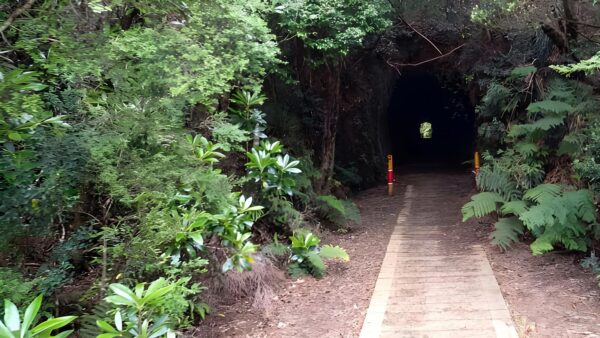
For walkers, what stands out is not one single landmark but the contrast between environments. You can be among myrtle, sassafras and leatherwood in cool wet forest, then only a short distance away be looking across harbour water, exposed beaches or rocky mountain country.
Highlights
The natural character of the west coast is defined by powerful landforms and broad, open scenery. Macquarie Harbour is one of the region’s key geographical features, with sheltered water set behind a coast that is otherwise exposed to the Southern Ocean. Inland, the country around the Franklin-Gordon area is marked by wild river valleys, dramatic peaks and deep forest, while the wider West Coast Range adds a hard-edged mountain backdrop around Queenstown.
Another distinctive feature is the meeting of rainforest and coast. Along parts of the west, thick, wet forest reaches surprisingly close to beaches, river mouths and harbour inlets, giving the region a look that feels very different from Tasmania’s drier east.
Best Time to Visit
West Coast Tasmania can be visited year round, but the feel of the place changes a lot with the seasons. The warmer months from late spring through autumn generally bring longer daylight and better conditions for appreciating lookouts, river valleys and coastal scenery. Winter can be especially atmospheric, with mist, swollen rivers and low cloud adding to the region’s character, though the weather is often colder, wetter and more changeable.
If you are choosing purely for scenery and comfort rather than mood, summer and early autumn are usually the easiest times to enjoy the west coast’s forests, mountains and harbour landscapes.
Plants and Animals
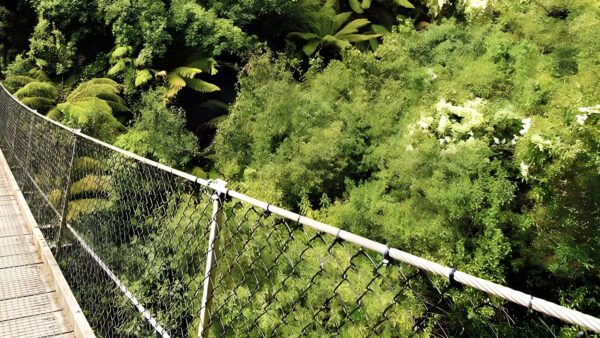
The west coast’s high rainfall supports lush cool temperate rainforest and wet forest, with species such as myrtle, sassafras and leatherwood appearing in many of the region’s sheltered valleys and creeklines. In some areas, these forests sit alongside buttongrass moorland and more open scrub, creating the patchwork of vegetation that is so typical of western Tasmania.
This wet western climate also shapes the animal life. Birdlife is rich in forest and heath country, and the broader region supports the mix of mammals, reptiles, frogs and invertebrates associated with Tasmania’s cooler, wetter environments. The result is a landscape where vegetation often feels ancient and dense, especially near rivers and in sheltered rainforest pockets.