Sorry, no records were found. Please adjust your search criteria and try again.
Sorry, unable to load the Maps API.
Explore stunning hiking trails of Werakata National Park
Discover the diverse trails of Werakata National Park, New South Wales, offering hikes and walks for all skill levels and interests. Find your perfect adventure today.
Discover 1 hiking trail in Werakata National Park
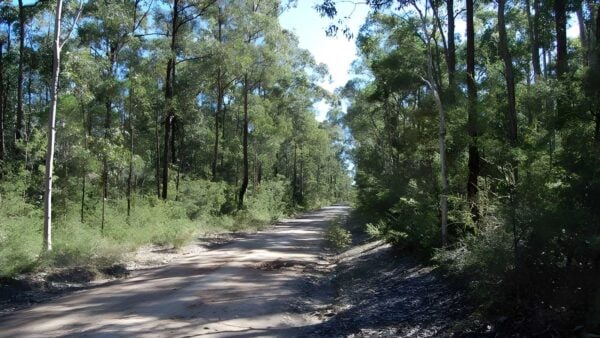

Lower Hunter bushland, wildflowers and winter bird country
Overview
Werakata National Park protects a surprisingly substantial patchwork of bushland in the Lower Hunter, around 20km south-west of Maitland and about 60km west of Newcastle. It sits in and around Cessnock, close to the vineyards of the Hunter Valley, but the feel inside the park is very different: broad stretches of native forest, sandy woodland and low heathy country that hold important habitat in a part of New South Wales where much has already been cleared or heavily modified.
This is a park known as much for conservation value as for scenery. It includes endangered ecological communities, more than 400 recorded plant species and habitat for a long list of threatened animals. Even though it is close to towns and settled country, it still works as a refuge for species that rely on flowering eucalypt forests and intact lower Hunter bushland.
Highlights
What stands out here is the character of the landscape rather than any one dramatic landmark. Werakata is made up of open forest, spotted gum and ironbark country, pockets of red gum forest and sandy woodland that change subtly from one section to the next. In spring, the bush brightens with banksias, acacias, ground orchids and other wildflowers, while the rest of the year is all about the quiet texture of trunks, scrub and low ridgelines.
There is a strong sense of green space holding on in a developed valley. The park’s bushland feels broad and airy, with winter-flowering eucalypts giving the forest a distinctive seasonal character and drawing birds into the canopy when much of the surrounding landscape is quieter.
Best Time to Visit
Spring is the standout if you want to see the park at its most colourful, with wildflowers adding plenty of colour through the bush. Winter is another rewarding time, especially for birdlife, because the spotted gums and ironbarks flower then and provide an important food source for species that move through the area.
Autumn also suits Werakata well, with cooler, generally settled weather that makes time outdoors comfortable. Summer can still be appealing under the gum canopy, but the park tends to show its finer details best in the milder months.
Plants and Animals
Werakata is unusually rich for a park of its size and setting. Over 400 plant species have been recorded here, including threatened flora such as Bynoe’s wattle, heath wrinklewort, netted bottle brush, Parramatta red gum and small-flower grevillea. The vegetation includes Kurri sand swamp woodland, Lower Hunter spotted gum ironbark forest, Hunter lowland redgum forest and river-flat eucalypt forest, all communities of high conservation significance.
The park and surrounding reserve country have more than 200 recorded native animal species. Birdlife is a big part of its character, particularly in winter, when flowering eucalypts attract threatened species such as the swift parrot and regent honeyeater. Other notable fauna recorded here include powerful owl, masked owl, little lorikeet, glossy black-cockatoo, gang-gang cockatoo, squirrel glider, yellow-bellied glider and grey-headed flying-fox.
Find more places to explore…
Help expand the trail collection!
Know of an official trail not listed on Trail Hiking Australia? I’m focused on showcasing the best tracks managed by land managers, and I’d love your help! Sharing a trail adds to our community and helps others discover safe, new adventures.
Submit your trail here

