Sorry, no records were found. Please adjust your search criteria and try again.
Sorry, unable to load the Maps API.
Explore stunning hiking trails of Weld Valley
Discover the diverse trails of Weld Valley, Tasmania, offering hikes and walks for all skill levels and interests. Find your perfect adventure today.
Discover 2 hiking trails in Weld Valley
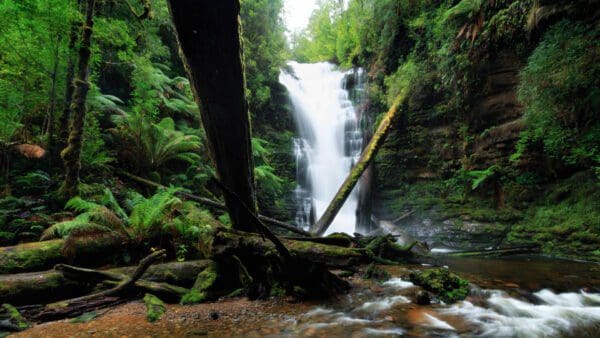

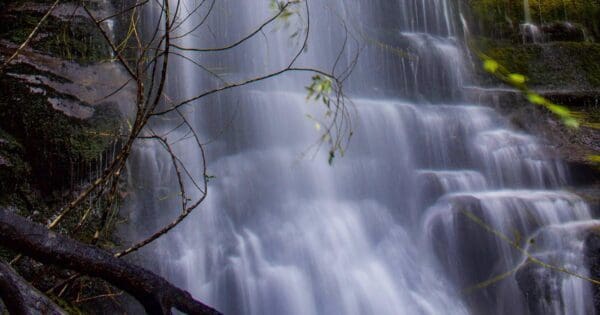

Karst country on Tasmania’s far southern edge
Overview
Weld Valley sits in remote southern Tasmania, in a landscape shaped by steep relief, deep river country and extensive karst. The area takes in the Weld River catchment and forms part of the broader Tasmanian Wilderness World Heritage Area, a vast protected region recognised for its natural and cultural values. Within the reserve system here, Weld River Regional Reserve covers 4,618.84 hectares.
What sets this area apart is the way rugged mountain country meets dolomite and limestone landforms. In parts of the valley, karstic rocks rise sharply, creating a landscape with major subterranean drainage and cave development as well as dramatic surface relief.
Highlights
The defining feature of Weld Valley is its high-relief karst scenery. This is a place of folded mountains, deeply cut river country and carbonate rocks that have been shaped by water over long periods into striking landforms above and below ground.
Parts of the valley contain more than 600 metres of topographic relief on karstic dolomite, which gives the country a notably steep, sculpted feel. The wider setting also links into the glaciated Mt Anne area, where the north-east ridge above the valley is recognised for alpine karst and glacio-karst landforms.
Best Time to Visit
The more settled months from late spring through autumn are usually the easiest time to appreciate Weld Valley’s scenery, when days are longer and the surrounding mountains and river flats are generally more accessible. Seasonal changes are part of the character here, so conditions can feel markedly different from one time of year to the next.
If you are coming mainly for the landscape rather than a particular walk, clear weather makes a big difference in this valley. The steep country and enclosed river system tend to reveal more of their scale when the ridgelines, cliffs and forested slopes are visible.
Plants and Animals
Weld Valley lies within a World Heritage landscape recognised for the diversity and uniqueness of its flora and fauna, and for habitats that support globally significant species. In a setting like this, the mix of river corridors, wet forest, moorland and montane country creates a strong sense of ecological variety rather than one single vegetation type.
The broader area is also known for fire-sensitive vegetation and for the long continuity of Tasmanian native species that characterises the south-west and adjoining mountain country. Around the valley, plant communities are closely tied to altitude, rainfall, drainage and the underlying karst geology.
Culture and Heritage
Weld Valley forms part of the Tasmanian Wilderness World Heritage Area, which preserves a long Aboriginal cultural landscape. Tasmanian Aboriginal people have lived in, used, managed and modified this wider landscape for more than 40,000 years, with valleys, freshwater rivers, button grass plains and alpine areas all part of that enduring connection.
Find more places to explore…
Help expand the trail collection!
Know of an official trail not listed on Trail Hiking Australia? I’m focused on showcasing the best tracks managed by land managers, and I’d love your help! Sharing a trail adds to our community and helps others discover safe, new adventures.
Submit your trail here