Rainforest Gullies and Lookouts Above the Hunter
Overview
Watagans National Park sits in the Watagan Mountains between the Central Coast, Lake Macquarie and the Hunter, around 31km west of Newcastle and 15km south of Cessnock. It covers 7,798 hectares and marks a meeting point between the moist forests of the mid north coast and the drier forests associated with Sydney sandstone country, which gives the park a noticeably mixed character.
That contrast is a big part of what makes the place memorable. One section feels cool, enclosed and fern-lined, while another opens out to drier forest and broad views across valleys and ranges. The result is a park that feels larger and more varied than the map first suggests.
Highlights
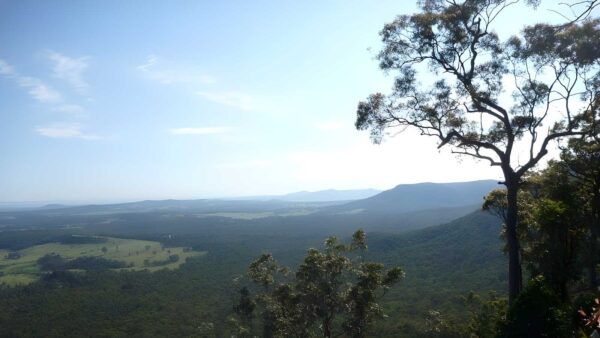
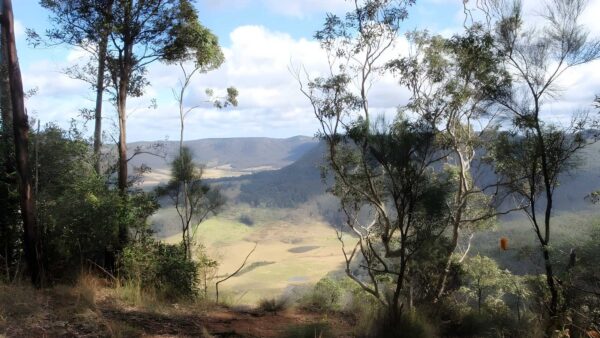
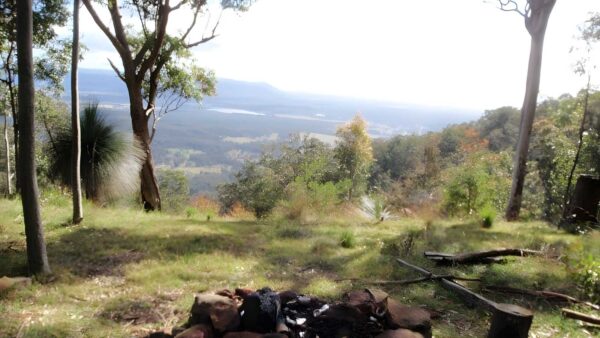
Watagans is especially strong on scenic contrast. Rainforest pockets, mossy rock walls, creeks and sheltered gullies sit alongside open escarpment lookouts with long views over Martinsville Valley, Cessnock, the Hunter Valley and, on clear days, ranges beyond.
The park is also known for the quality of its forest scenery. Red cedar and Illawarra flame trees appear in the wetter sections, while the broader mountain setting brings together steep slopes, deeply cut gullies and ridgelines that give the whole area a layered, folded look.
Best Time to Visit
Spring is a particularly good time to see the park at its most colourful, with wattles, banksias and happy wanderer in flower. Late winter into early spring is also when Illawarra flame trees start to stand out across the valleys.
Summer can still work well in the cooler, moist forest sections, where creeks and dense canopy take the edge off the heat. In winter, the clearer air tends to suit the park’s lookout country, when the wider mountain and valley views feel especially sharp.
Plants and Animals
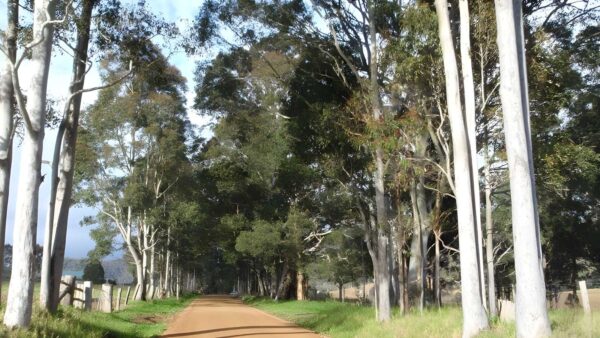
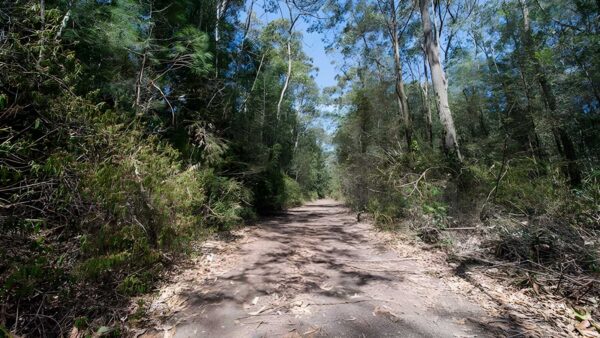
The plant life shifts with the landscape. Tall, moist eucalypt forest is widespread, with mountain blue gums and blackbutt over a wetter understorey of brush cherry, climbing vines and tree ferns. In places, the rainforest character is strong enough to give the park a distinctly cool, shaded feel.
Wildlife is equally varied. The park provides habitat for more than 150 native animal species, including wallabies, gliders, brush-tailed and ring-tailed possums, as well as amphibians, reptiles and more than 130 bird species.
Culture and Heritage
Watagans National Park has strong Aboriginal cultural significance for the Awabakal and Darkinjung People. More than 40 recorded Aboriginal sites occur in the Watagan Range and surrounding lands, including engravings and rock art that provide rare insight into cultural expression in this part of New South Wales.
The park also carries traces of later timber-getting history. Old log chutes and sawmill sites remain from the forestry operations that shaped parts of the range in the nineteenth and early twentieth centuries.