Glaciated High Country and Pencil Pine Forests
Overview
Walls of Jerusalem National Park protects a striking area of Tasmania’s central alpine country within the Tasmanian Wilderness World Heritage Area. It is a remote highland landscape of dolerite mountains, lake-filled valleys and cold, open plateau country, shaped by glaciation and still defined by water in its many lakes, tarns and streams. The park was proclaimed in 1981 and later added to the World Heritage Area in 1989.
Set east of Cradle Mountain-Lake St Clair and beside the Central Plateau, the park is known for its sense of scale and for the way harsh rock, wet alpine ground and pockets of ancient conifers sit side by side. Much of what makes the place memorable is not a single landmark but the character of the whole landscape: high, exposed, intricate and unusually intact.
Highlights
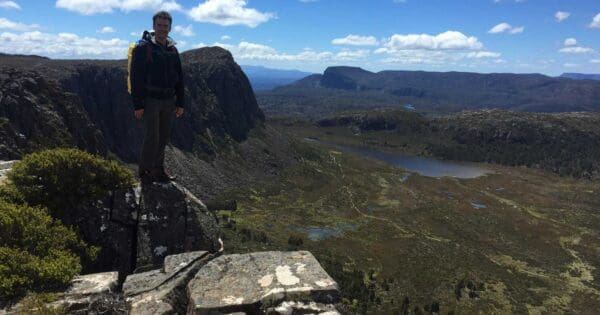
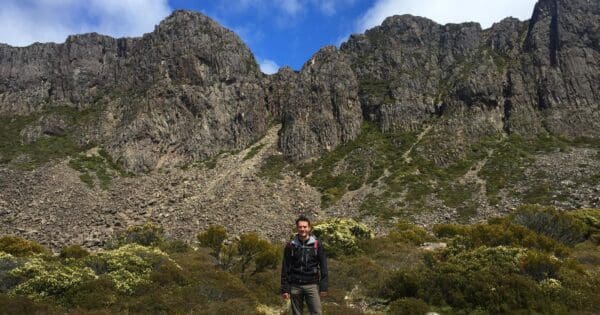
The scenery here is shaped by glaciation and by Tasmania’s great dolerite formations. Fluted peaks rise above alpine basins, while moraines, tarns and long chains of lakes give the country a layered, sculpted look. In the park’s better known central section, steep rock walls and gateways of dolerite create a dramatic enclosed feel that is quite unlike the broader open plateau nearby.
Another standout is the contrast in colour and texture. Grey cliffs and boulder fields sit above bright alpine plant communities and stands of pencil pine, with water threaded through almost every valley floor. That mix of rock, water and old conifer forest gives the park a very distinctive Tasmanian alpine character.
Best Time to Visit
The most settled conditions usually come in the warmer months, when snow cover is less persistent and the alpine vegetation is easier to appreciate in full colour. Even then, this is still a high, exposed park where the seasons can blur into one another, so summer and early autumn tend to give the clearest sense of the place rather than a guarantee of mild weather.
Outside that period, the landscape shifts quickly into colder and more wintry conditions. For many people, the best time is simply when the plateau is open enough to reveal its lakes, pencil pines and glacial landforms clearly.
Plants and Animals
Walls of Jerusalem is notable for its alpine vegetation and for groves of pencil pine, one of Tasmania’s ancient conifers. These slow-growing forests are among the park’s most distinctive natural features, especially where they gather around sheltered valleys and watercourses. The wider Central Plateau region is also recognised for significant flora and fauna values, including a rich mix of palaeo-endemic and other unique species.
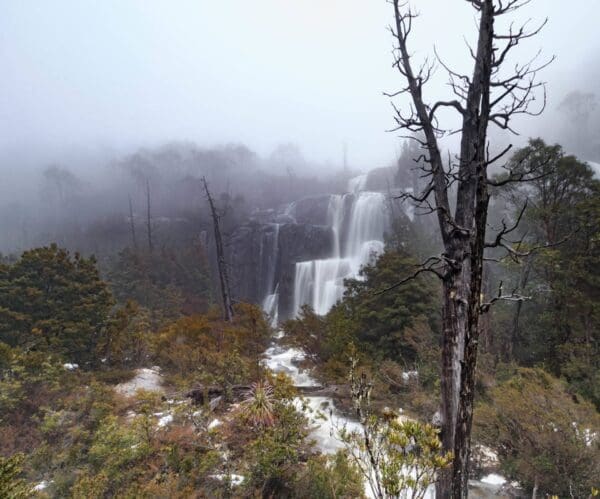
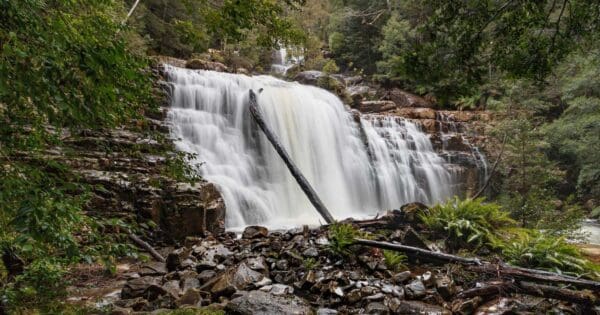
The park’s wetlands, lakes and cold streams are part of that ecological richness. Plant communities here are delicate and slow to recover in the cold conditions, which is one reason the landscape can feel so remarkably intact.