Sorry, no records were found. Please adjust your search criteria and try again.
Sorry, unable to load the Maps API.
Explore stunning hiking trails of Wallarah National Park
Discover the diverse trails of Wallarah National Park, New South Wales, offering hikes and walks for all skill levels and interests. Find your perfect adventure today.
Discover 2 hiking trails in Wallarah National Park


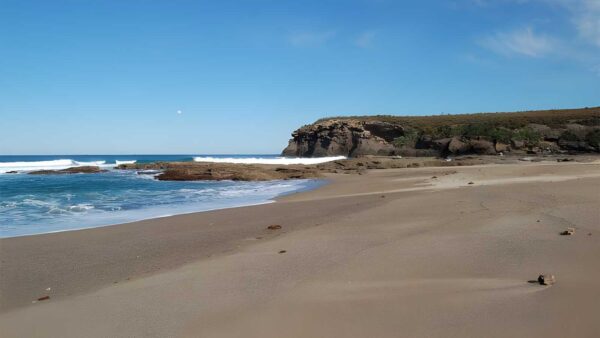
Clifftop Heath and Coastal Forest Near Lake Macquarie
Overview
Wallarah National Park is a small coastal park on the Wallarah Peninsula, east of Lake Macquarie and about 2 kilometres south of Swansea. Although it sits close to the Central Coast and Newcastle, the landscape feels surprisingly cut off once you are on foot, with three separate sections of parkland spread across heath, forest and exposed sandstone country.
The park covers 178 hectares and protects a compact but varied slice of coast, including elevated heathlands, sandstone cliffs, dry open forest, moist gully forest and patches of closed heathland. That mix gives Wallarah more ecological variety than its size might suggest, and it is a big part of why the place feels so distinct from the suburban areas nearby.
Highlights
The standout character here is the meeting of coastal bushland and the sea. Sandstone cliffs and headlands give the park a rugged edge, with broad views across the ocean and back towards Lake Macquarie. Pinny Beach adds to that sense of exposure, with a long sweep of coast framed by heath and forest rather than development.
Season also shapes the park’s appeal. In the cooler months the coastline becomes a good place to spot migrating whales, while spring brings colour into the heath as wildflowers come through. Even in a relatively small area, Wallarah has that shifting coastal feel where light, wind and sea conditions can completely change the mood of the place.
Best Time to Visit
Spring is one of the most rewarding times to be here, especially when the heath is flowering. Winter is also a strong choice, with clearer conditions often suiting longer walks and the annual whale migration passing along the coast. At other times of year, Wallarah still has plenty of appeal, but these are the seasons when its scenery is at its most distinctive.
Plants and Animals
Wallarah protects several vegetation communities of high conservation value, including dry open forest, moist gully forest and closed heathland, along with two endangered ecological communities: lowland rainforest and Themeda grassland on seacliffs and coastal headlands. Those plant communities help explain why the park feels so varied, shifting from open windswept country near the coast to more sheltered vegetation in the gullies.
The park is also important habitat for threatened wildlife. Powerful owls, squirrel gliders and little bentwing-bats are recorded here, and the broader peninsula supports species such as sooty oystercatchers, greater sand-plovers and little terns moving through the region. Threatened flora recorded in the park includes black-eyed Susan, adding another layer to its conservation value.
Culture and Heritage
Wallarah National Park contains the Pinny Beach Aboriginal midden and burial site, with stone artefacts and extensive midden deposits dating to around 800 AD. The site is significant to the local Aboriginal community and stands as direct evidence of long occupation and use of this stretch of coast by traditional landholders.
This cultural history is not separate from the landscape around it. The headlands, beach and sheltered coastal areas that make the park so memorable today also hold the clearest signs of much older connections to the place.
Find more places to explore…
Help expand the trail collection!
Know of an official trail not listed on Trail Hiking Australia? I’m focused on showcasing the best tracks managed by land managers, and I’d love your help! Sharing a trail adds to our community and helps others discover safe, new adventures.
Submit your trail here

