Sorry, no records were found. Please adjust your search criteria and try again.
Sorry, unable to load the Maps API.
Explore stunning hiking trails of Victoria Valley
Discover the diverse trails of Victoria Valley, Tasmania, offering hikes and walks for all skill levels and interests. Find your perfect adventure today.
Discover 1 hiking trail in Victoria Valley
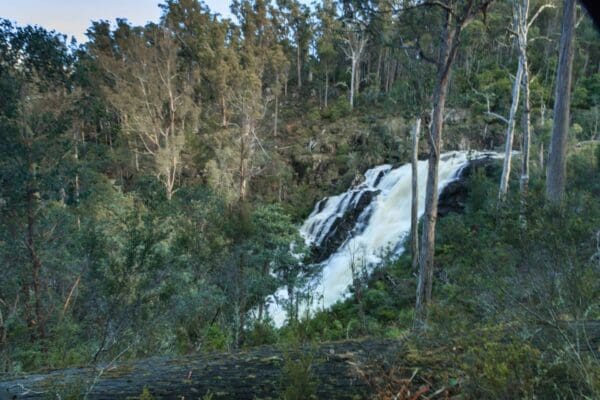

Dolerite Slopes and Quiet Highland Country in Victoria Valley
Overview
Victoria Valley sits in Tasmania’s Central Highlands, south of Lake Echo and north of Ouse, in a broad area of highland country shaped by Jurassic dolerite. It is a landscape of forested slopes, open flats and marshy ground, with a mix of protected land, working rural properties and water infrastructure across the valley. The area lies roughly 70 km north-west of Hobart, which helps place it, but it feels much further removed once the country opens out.
What gives Victoria Valley its character is the contrast between its landforms. Stony dolerite ground and boulder-strewn slopes sit beside wetter hollows and swampy patches, creating a valley that feels more varied than a quick look on the map suggests.
Highlights
The main appeal here is the highland scenery itself. Victoria Valley spreads across the southern edge of the Lake Echo district, where broad open country meets heavier forest and the land rolls out beneath the Central Highlands sky. Jurassic dolerite underpins the whole area, and that geology shows up in the rocky ground, scattered boulders and strong, solid shape of the slopes.
There is also a pleasing shift in mood across the valley. Some parts are open and exposed, while more sheltered pockets carry denser, taller forest. That mix gives the area a quiet, spacious feel rather than one single dramatic focal point.
Best Time to Visit
Late spring through autumn is usually the easiest time to appreciate Victoria Valley’s open highland country, when longer daylight and generally milder conditions make the contrast between forest, marsh and open slopes easier to take in. In spring, wetter ground and fresh growth are especially noticeable. Autumn often brings clearer light and a sharper sense of the valley’s shape.
At any time of year, this is still Central Highlands country, so seasonal changes can be quite marked. That seasonal swing is part of the place’s character, especially across the exposed ground and swampy flats.
Plants and Animals
Victoria Valley supports a surprisingly broad range of vegetation for one relatively compact highland area. Eucalyptus delegatensis is widespread, with Eucalyptus dalrympleana also common, and the forests shift according to exposure and moisture. In wetter, more protected sites, mixed forest includes myrtle beech, sassafras and tree ferns. On drier slopes and flats, the vegetation opens out into drier sclerophyll forest with a heathy understorey.
The swampier parts of the valley add another layer again, with organic soils that support sedgelands and thick sphagnum moss beds. Even without singling out individual species of wildlife, that spread of forest, heath and wetland habitat points to a landscape with plenty of ecological variety.
Culture and Heritage
Victoria Valley also has a pastoral history that still shows in the built landscape near Ouse. Heritage-listed places along Victoria Valley Road, including Rotherwood, Ashton and Listowel, survive as notable examples of early rural domestic architecture in the district. Nearby Millbrook retains elements linked to early flour milling and farming, adding another layer to the valley’s long agricultural story.
Find more places to explore…
Help expand the trail collection!
Know of an official trail not listed on Trail Hiking Australia? I’m focused on showcasing the best tracks managed by land managers, and I’d love your help! Sharing a trail adds to our community and helps others discover safe, new adventures.
Submit your trail here

