Sorry, no records were found. Please adjust your search criteria and try again.
Sorry, unable to load the Maps API.
Explore stunning hiking trails of Tyenna
Discover the diverse trails of Tyenna, Tasmania, offering hikes and walks for all skill levels and interests. Find your perfect adventure today.
Discover 2 hiking trails in Tyenna
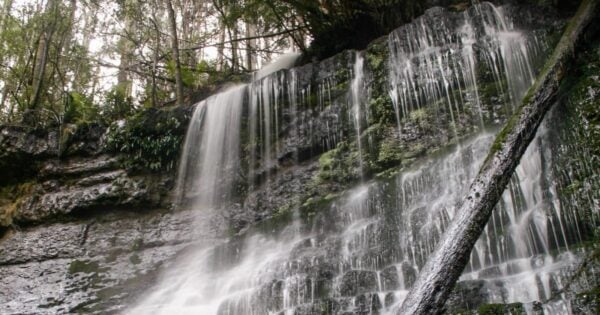

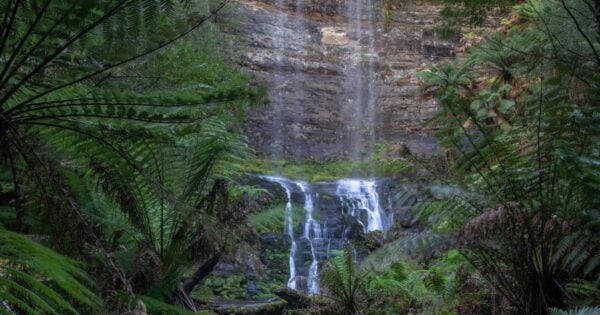
Waterfalls, Tall Forest and Alpine Country Around Tyenna
Overview
Tyenna sits in the Derwent Valley west of Hobart, close to the gateway of Mount Field National Park. This is one of Tasmania’s oldest national parks and one of its most varied, with a striking change in landscape from fern-filled forest and very tall eucalypts at lower elevations to glacial lakes, tarns and alpine country higher up. The park lies about 75 km from Hobart near the south-eastern edge of the Tasmanian Wilderness World Heritage Area.
Highlights
The scenery around Tyenna is shaped by elevation and ice-age landforms. Lower down, the country is known for towering wet forest, tree ferns and some of the world’s tallest eucalypt forests. Higher in the park, the character shifts to open mountain terrain with numerous tarns and glacial features, including U-shaped valleys and blockstreams. That contrast, from lush river country to alpine plateau, is what gives this area its distinctive feel.
Water is a big part of the landscape here. The Mount Field area is well known for its waterfalls and for a chain of lakes and tarns formed by past glaciation, especially in the higher country around Lake Fenton and the Tarn Shelf.
Best Time to Visit
This is a place that changes noticeably through the year. Warmer months bring alpine wildflowers to the high country, while autumn is especially well known for the colour of fagus, or deciduous beech, which turns gold, orange and red on the hillsides around the Tarn Shelf and Lake Fenton. Winter gives the upper slopes a colder, snow-marked character, while the lower forest stays green year-round.
Plants and Animals
The range from lowland forest to alpine vegetation supports an unusually broad mix of plant communities. The park’s diversity comes from its wide altitudinal range, its position between eastern and western Tasmanian floras, and a mix of geological substrates including dolerite, sandstone and quartzite. In the higher country, alpine plant communities include fagus as well as summer displays of waratahs, boronias and heath.
Wildlife is equally varied. Wallabies, wombats and echidnas are regularly seen, platypus occur in waterways, and the area also supports species such as the eastern quoll and eastern barred bandicoot. Birdlife ranges from small forest birds to cockatoos and wedge-tailed eagles.
Culture and Heritage
Mount Field National Park and the surrounding Tasmanian Wilderness World Heritage Area form a large cultural landscape. Aboriginal heritage sites have been recorded within Mount Field, and nearby surveys in the Florentine Valley have shown occupation extending back more than 35,000 years. The area also holds an important place in Tasmania’s conservation history, with Russell Falls Reserve proclaimed in 1885 and later becoming part of Mount Field National Park in 1916.
Find more places to explore…
Help expand the trail collection!
Know of an official trail not listed on Trail Hiking Australia? I’m focused on showcasing the best tracks managed by land managers, and I’d love your help! Sharing a trail adds to our community and helps others discover safe, new adventures.
Submit your trail here

