Sorry, no records were found. Please adjust your search criteria and try again.
Sorry, unable to load the Maps API.
Explore stunning hiking trails of Toonumbar National Park
Discover the diverse trails of Toonumbar National Park, New South Wales, offering hikes and walks for all skill levels and interests. Find your perfect adventure today.
Discover 1 hiking trail in Toonumbar National Park
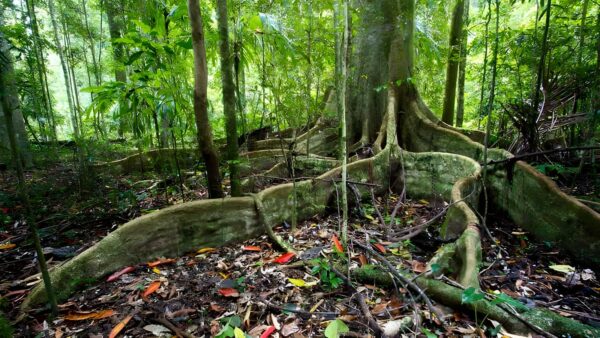

Rainforest Slopes and Volcanic Peaks in Toonumbar National Park
Overview
Toonumbar National Park sits in the northern Richmond Range near Kyogle, about 150km south of Brisbane, and protects a large stretch of forested country where rainforest, sclerophyll forest and rugged mountain land meet. The park covers just under 15,000 hectares and forms part of a broader chain of protected country in one of the most biologically rich parts of New South Wales.
What gives Toonumbar its character is the contrast between cool, moist rainforest pockets and the higher, rockier country shaped by old volcanic activity. Parts of the park are included in the Gondwana Rainforests of Australia World Heritage Area, reflecting the age and significance of these rainforest communities.
Highlights
Toonumbar stands out for its mix of steep forested ridges, deep catchments and striking volcanic landforms. Dome Mountain, Glassy Mountain and Edinburgh Castle are remnants of the ancient Focal Peak shield volcano, giving the park a dramatic geological backbone that is quite different from softer coastal ranges nearby.
The scenery is also shaped by the meeting of different forest types. Subtropical rainforest, wet sclerophyll forest, montane heath and rocky outcrops all occur within the park, so the landscape changes noticeably from one part of Toonumbar to another. That variety is a big part of why the area feels so rich and layered, even within a relatively compact section of the Richmond Range.
Best Time to Visit
Cooler months are usually the most comfortable time to spend longer outdoors here, particularly from autumn through spring when temperatures are milder and the forest is generally more pleasant for walking. The rainforest sections stay green and shaded year round, but clear, cooler days tend to suit the park’s lookouts, creeks and mountain scenery best.
After wetter periods, the park can feel especially lush, with the contrast between rainforest and tall eucalypt forest at its strongest.
Plants and Animals
Toonumbar protects an impressive range of habitats, from subtropical rainforest and wet sclerophyll forest to montane heathlands, rocky outcrops and the transition zones between rainforest and eucalypt forest. More than 200 plant taxa of conservation significance have been recorded across the wider park group, and the forests here include notable rainforest trees such as red cedar, rosewood, booyong and white beech.
The animal life is just as varied. This part of the Richmond Range supports at least 80 vertebrate taxa of conservation significance, with species associated with Toonumbar including Albert’s lyrebird, marbled frogmouth, parma wallaby, yellow-bellied glider, Hastings River mouse and golden-tipped bat. The mix of ancient rainforest habitat and adjoining forest types is what makes the park especially important for wildlife.
Culture and Heritage
Toonumbar National Park lies within a cultural landscape of deep importance to local Aboriginal people of the Bundjalung Nation. The area includes cultural sites such as creation places, ceremonial sites, traditional pathways and evidence of past occupation, and these connections remain an important part of the park’s identity and meaning.
Find more places to explore…
Help expand the trail collection!
Know of an official trail not listed on Trail Hiking Australia? I’m focused on showcasing the best tracks managed by land managers, and I’d love your help! Sharing a trail adds to our community and helps others discover safe, new adventures.
Submit your trail here

