Sorry, no records were found. Please adjust your search criteria and try again.
Sorry, unable to load the Maps API.
Explore stunning hiking trails of Tasman Peninsula
Discover the diverse trails of Tasman Peninsula, Tasmania, offering hikes and walks for all skill levels and interests. Find your perfect adventure today.
Discover 2 hiking trails in Tasman Peninsula
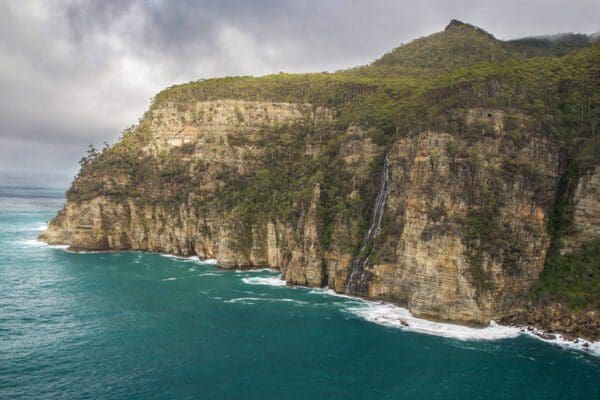

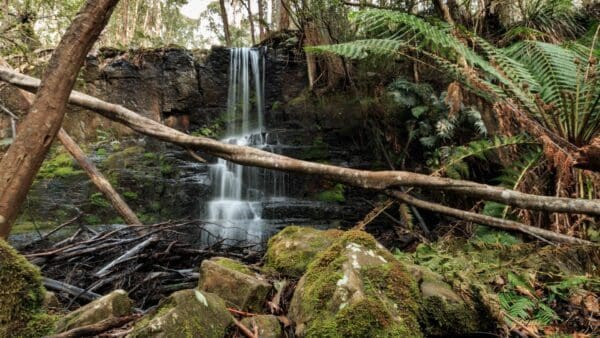

Sea Cliffs, Caves and Coves of the Tasman Peninsula
Overview
The Tasman Peninsula sits in Tasmania’s far south-east, linked with the neighbouring Forestier Peninsula at Eaglehawk Neck and within easy reach of Hobart. Much of its most dramatic coast is protected within Tasman National Park, where tall eucalypt forest and coastal heath give way to one of the most striking cliff-lined shorelines in the country.
What sets this area apart is the meeting of land and sea. Southern Ocean swells hit long walls of dolerite and softer sandstone headlands, carving out arches, caves, blowholes and sheer sea cliffs. The result is a peninsula that feels defined as much by geological force as by vegetation or settlement.
Highlights
The big draw here is the coastline itself. The peninsula is home to Australia’s highest sea cliffs, with the dolerite capes of Hauy, Pillar and Raoul rising sharply above the Tasman Sea. Around Eaglehawk Neck, softer rock has been shaped into well-known coastal features including Tasmans Arch, the Blowhole and Remarkable Cave, giving this stretch of coast a very different character from the long vertical cliffs further south and east.
There is also real variety packed into a relatively small area. Sheltered bays and coves break up the harder coastline, while offshore stacks, islands and sea caves add to the sense of scale. From the water, the cliffs read as huge columns and walls. From above, the contrast between dark rock, pale surf and low coastal vegetation is what gives the peninsula its distinctive look.
Best Time to Visit
The Tasman Peninsula can be rewarding at any time of year, but the most settled conditions are usually from spring through autumn, when longer days and milder weather make the coast easier to appreciate. Spring also brings fresh growth through the heath and forest, while the warmer months are a good time to watch the changing colour of the sea below the cliffs.
Even in cooler months, clear days can give the headlands and sea stacks an especially crisp look. Because the peninsula is so exposed to ocean weather, the feel of the place can shift quickly from calm coves to a wild, wind-shaped coastline, which is part of its character in every season.
Plants and Animals
For such a small part of Tasmania, the peninsula supports remarkable plant diversity, with more than a third of the state’s plant species recorded across this isolated area and more than sixty threatened species. Eucalypt forest and heathland are the main plant communities, with coastal scrub holding on close to the cliff edges and more sheltered spots carrying taller forest.
The waters around the peninsula are equally rich. The mix of exposed coastline, offshore islands, ocean currents and the nearby continental shelf helps support seals, little penguins, dolphins, whales in season, seabirds and a wide range of fish and marine invertebrates. On land, birdlife in the coastal scrub and woodland can be just as varied, including endemic Tasmanian species.
Culture and Heritage
The peninsula also carries a deep human history alongside its natural drama. Outside the national park, sites across the district include two of Australia’s World Heritage convict places at Port Arthur and the Coal Mines, which remain a major part of how the broader Tasman Peninsula is understood today.
Find more places to explore…
Help expand the trail collection!
Know of an official trail not listed on Trail Hiking Australia? I’m focused on showcasing the best tracks managed by land managers, and I’d love your help! Sharing a trail adds to our community and helps others discover safe, new adventures.
Submit your trail here