Sorry, no records were found. Please adjust your search criteria and try again.
Sorry, unable to load the Maps API.
Explore stunning hiking trails of Swan Valley
Discover the diverse trails of Swan Valley, Western Australia, offering hikes and walks for all skill levels and interests. Find your perfect adventure today.
Discover 2 hiking trails in Swan Valley
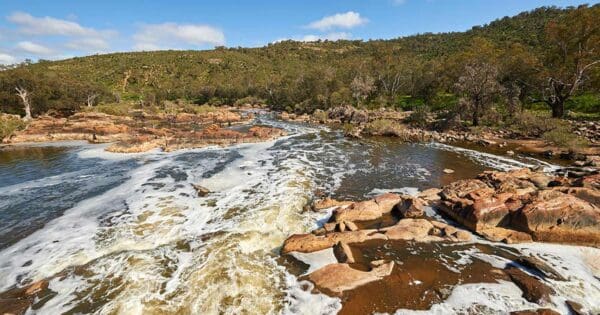



Rural landscapes and river country on Perth’s doorstep
Overview
Swan Valley sits on the north-eastern edge of Perth, following the Swan River through a long-established rural landscape of vines, orchards, paddocks and remnant bush. It is close enough to feel part of the city, but the character is very different, with broad floodplain country, low rises and a patchwork of agricultural land that gives the area its distinct sense of space.
The valley is recognised at a state level for its agricultural, tourism, environmental and landscape values, and planning controls are designed to protect its long-term rural character. That mix of productive farmland, river scenery and surviving native vegetation is a big part of what makes the area feel unlike the surrounding suburbs.
Highlights
The defining feature here is the meeting of river country and rural land. Along the Swan River, the landscape opens into broad flats and bends in the water, while further back the valley floor gives way to gentle rises and a more textured mosaic of vineyards, shelterbelts and bushland. It is a softer, more cultivated landscape than many of Western Australia’s better-known hiking regions, but that contrast is exactly its appeal.
Scenic value in Swan Valley comes less from dramatic peaks and more from the shape of the land itself: long views across productive country, pockets of river foreshore, and seasonal shifts in colour from green winter growth to the dry gold tones of late spring and summer.
Best Time to Visit
The more comfortable months for walking are usually autumn through spring, when cooler temperatures make time outdoors easier and the landscape carries more colour. Winter and early spring are often the greenest period, especially around river edges, wetlands and open country.
Late spring can be particularly rewarding when native plants are flowering, while summer tends to show the valley in its driest form, with a harsher light and more muted ground cover. If you want the place looking at its freshest, the cooler half of the year is usually the better pick.
Plants and Animals
Swan Valley forms part of a broader environment that includes river corridors, open space, bushland and local reserves, with native habitat surviving alongside farmland and developed areas. That combination supports a mix of birdlife and other fauna that use the river, wetlands, paddocks and patches of remnant vegetation.
In the bushland parts of the valley and nearby reserves, the vegetation typical of the Swan Coastal Plain remains important for local biodiversity. The natural setting here is not one continuous block of forest, but a network of smaller habitats spread through the landscape, which is why even modest stands of native vegetation can feel significant.
Culture and Heritage
Swan Valley lies in Whadjuk Noongar country, with a continuing connection to the land and waters of this part of the region. The area also carries a long rural and settlement history, shaped by early agriculture and the valley’s enduring role as one of Western Australia’s best-known productive landscapes.
Find more places to explore…
Help expand the trail collection!
Know of an official trail not listed on Trail Hiking Australia? I’m focused on showcasing the best tracks managed by land managers, and I’d love your help! Sharing a trail adds to our community and helps others discover safe, new adventures.
Submit your trail here

