Traprock Ridges and the Severn River Country
Overview
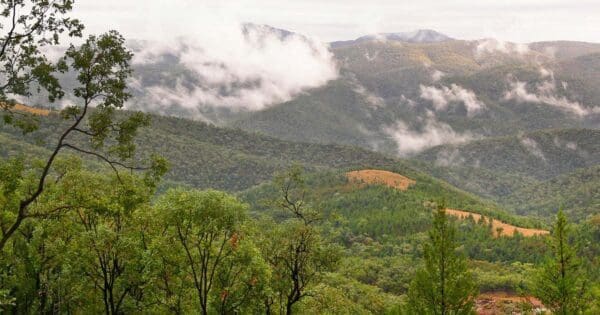
Sundown National Park sits on Queensland’s Granite Belt near the New South Wales border, about 250km south-west of Brisbane. It is a large, rugged park of roughly 12,600ha, with the Severn River cutting through steep country shaped by erosion into ridges, peaks, gorges and river flats. Compared with many Queensland parks, Sundown feels cooler and drier, with a landscape that has more in common with the tablelands further south than the coast.
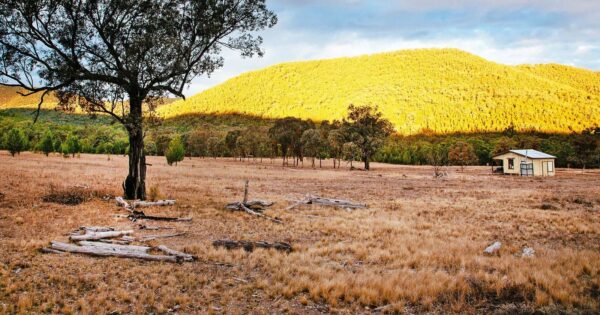
This is traprock country, a rough and broken landscape that gives the park its distinct character. Broad open sections along the river contrast with sharper slopes, rocky outcrops and deeply cut gullies, so the scenery can change quickly from quiet waterholes to hard-edged escarpments.
Highlights
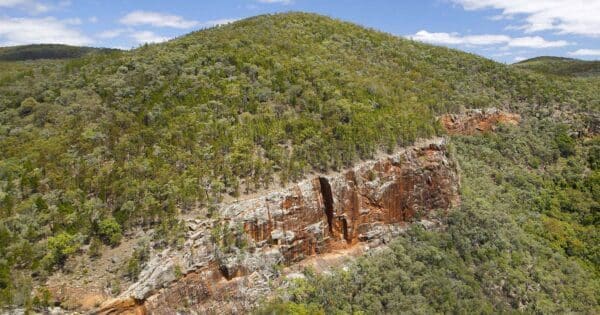
The park’s standout feature is its rugged landform. Deeply eroded ranges, steep-sided gorges and lichen-stained granite cliffs give Sundown a stark, weathered look that feels very different from the greener mountain parks nearby. The Severn River brings another layer to the scenery, with long river flats and permanent waterholes softening the harder lines of the surrounding hills.
There is also a strong sense of space here. Views open across dry woodland, broken ridges and isolated peaks, and the more remote sections have a quiet, undeveloped feel that is part of the park’s appeal. Red Rock Gorge, Nundubbermere Falls and the river country around The Broadwater are among the natural features that help define Sundown’s scenic character.
Best Time to Visit
The cooler months from April to September are generally the best time to be here. Sundown has a noticeably cooler climate than much of Queensland, and winter often brings crisp mornings and clear skies that suit long days outdoors. Spring is also a rewarding time, when warmer days arrive and wildflowers begin to colour parts of the park and surrounding Granite Belt country.
Summer can be very hot, with daytime temperatures sometimes exceeding 40°C, so the park is usually at its most comfortable outside the hottest part of the year.
Plants and Animals
Sundown supports a mix of dry woodland, creekside habitat and rocky country, and that variety shows in its wildlife. The park is known for birdlife, with species such as superb lyrebirds, wedge-tailed eagles and azure kingfishers recorded here, along with smaller woodland birds including robins, honeyeaters and finches.
Mammals recorded in the park include red-necked wallabies, eastern grey kangaroos, wallaroos and swamp wallabies, as well as koalas, squirrel gliders and brush-tailed rock-wallabies. Sundown also provides habitat for threatened species including the spotted-tailed quoll. In the warmer months and on sunlit rock, reptiles are part of the landscape too, especially skinks and water dragons.