Sorry, no records were found. Please adjust your search criteria and try again.
Sorry, unable to load the Maps API.
Hikes and walks in South East Forests National Park
Here you’ll find every hike we list in South East Forests National Park, New South Wales. Each listing has the distance, grade and time it takes, so you can pick one that suits you. You can also search hikes across Australia.
Discover 4 hiking trails in South East Forests National Park
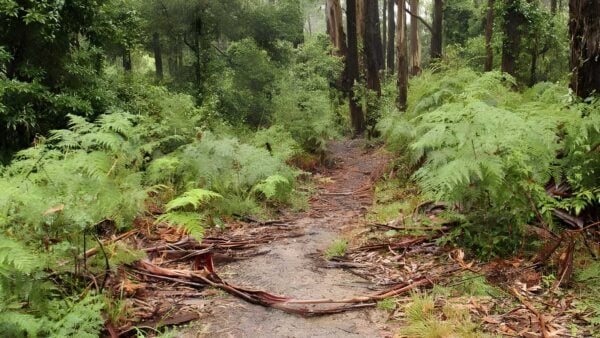

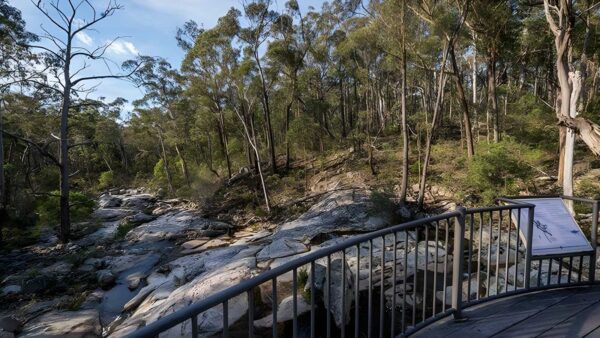
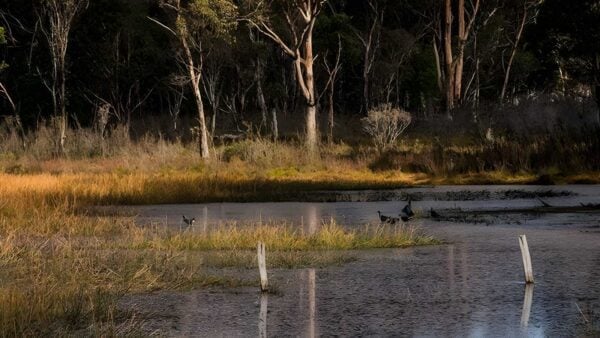

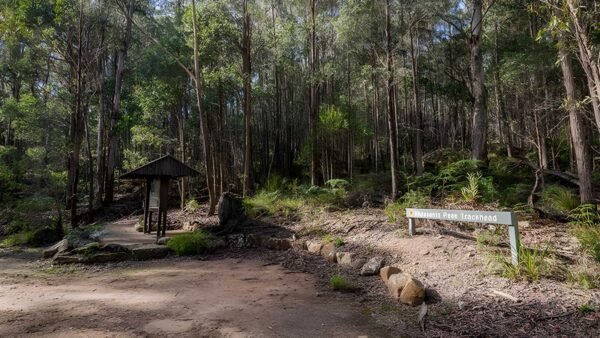
Granite Ranges, Old-Growth Forest and the Far South Coast Escarpment
Overview
South East Forests National Park stretches across a big sweep of far south-eastern New South Wales, between the tablelands and the coast near towns including Bega, Eden, Merimbula and Bombala. It is a large, broken-up park made up of several sections along the escarpment, where coastal hills rise into rugged ranges, deep valleys and high country forests.
What makes this park stand out is its scale and variety. It takes in part of the Great Escarpment, protects the upper reaches of river systems including the Bega, Towamba and Genoa, and holds a mix of tall eucalypt forest, rainforest pockets, wetlands and upland swamps. Much of its character comes from that meeting point between coast and tablelands, with landforms and vegetation changing noticeably across the park.
Highlights
The scenery here is defined by escarpment country. There are steep ridges, dissected valleys, gorges cut by creeks and rivers, granite outcrops and high peaks that give the park a strong sense of relief and distance. In the Coolangubra section, granite tors and creek gorges are among the most striking natural features, while other parts of the park are known for broad forested slopes, waterfalls, waterholes and long views across the ranges.
Nunnock Swamp is another distinctive landscape feature, sitting at the change between the tablelands and the coast. Across the park as a whole, the combination of high country, river-cut gorges and dense forest gives it a wilder, more remote feel than many coastal hinterland parks.
Best Time to Visit
Spring and autumn are usually the most comfortable times to spend time in this park, especially if you want clear days and milder temperatures across the escarpment and tableland edge. Summer can be warmer and more humid in the lower country, while winter brings colder conditions in the higher sections around Brown Mountain and the western parts of the park.
Because the park covers a broad altitudinal range, the feel of a visit changes with the season. Cooler months tend to suit the higher country and lookouts, while the warmer months bring a greener feel to ferny gullies, creeklines and rainforest pockets.
Plants and Animals
South East Forests National Park is especially important for its forest diversity. The park contains a large number of vegetation ecosystems, mostly eucalypt forests, along with smaller areas of rainforest, wetlands, heathlands and scrublands. Old-growth forest is a major part of its conservation value, with significant areas protected across the park, particularly in more inaccessible country.
This mix of landforms, climate and geology supports high native animal diversity as well. Some areas are especially rich in arboreal mammals and hollow-nesting birds, and the park provides habitat for many threatened species, including the long-footed potoroo in the far south. Rainforest pockets include species such as lilly pilly, pittosporum and sassafras, adding another layer to a park that is far more botanically varied than its name might first suggest.
Culture and Heritage
South East Forests National Park contains evidence of substantial and extensive Aboriginal occupation, along with features from later European use of the area. Its cultural heritage sits across a large and varied landscape rather than in a single historic site, and that long human presence is part of what gives the park depth beyond its scenic character.
Find more places to explore…
Help expand the trail collection!
Know of an official trail not listed on Trail Hiking Australia? I’m focused on showcasing the best tracks managed by land managers, and I’d love your help! Sharing a trail adds to our community and helps others discover safe, new adventures.
Submit your trail here