Sorry, no records were found. Please adjust your search criteria and try again.
Sorry, unable to load the Maps API.
Explore stunning hiking trails of Snowy River National Park
Discover the diverse trails of Snowy River National Park, Victoria, offering hikes and walks for all skill levels and interests. Find your perfect adventure today.
Discover 5 hiking trails in Snowy River National Park



Deep Gorges, Rainshadow Forests and the Snowy’s Wild River Country
Overview
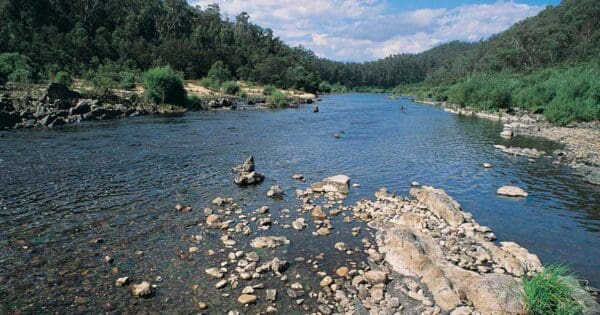
Snowy River National Park protects a large, rugged stretch of far eastern Victoria where the Snowy River and its tributaries have cut deep into the landscape over a very long period. It sits in East Gippsland, about 390 km north-east of Melbourne, and is known for steep country, remote river valleys and a strong sense of scale. The park was first proclaimed in 1979 and later expanded, creating a broad reserve that now links river country, forested slopes and high, more open country in one continuous protected area.
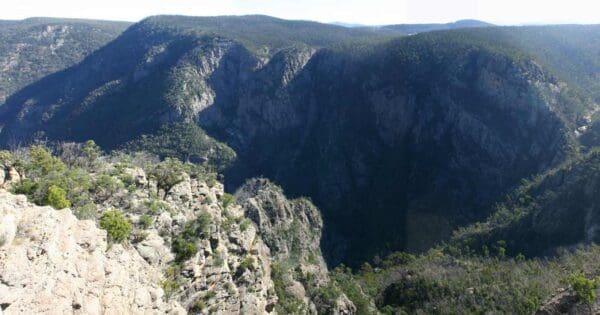
What makes this park stand out is the shape of the land. The Snowy River has been carving its present course for more than 20 million years, leaving behind gorges, escarpments, caves and striking changes in vegetation from one part of the park to the next.
Highlights
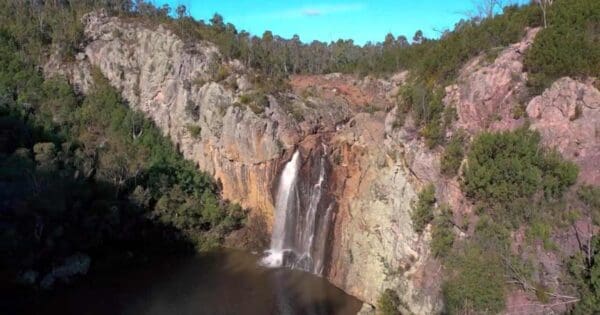
The big draw here is the landscape itself. The Snowy River runs through a dramatic, deeply incised valley, and the park’s scenery shifts between broad ridgelines, sheer-sided gorges and river flats tucked far below the surrounding hills. Little River Gorge and Little River Falls are among the key scenic features, and Tulloch Ard Lookout gives a good sense of the park’s steep, folded terrain.
There is also a lot of geological interest packed into the park. Its caves and karst features are especially notable, and the mix of escarpments, river-cut country and long views gives Snowy River National Park a very different feel from the wetter forests and alpine areas elsewhere in eastern Victoria.
Best Time to Visit
Spring and autumn are usually the most comfortable times to enjoy the broader landscape, when temperatures are milder and the contrast between forested slopes, river flats and open country is easy to appreciate. Spring also suits anyone interested in the park’s plant diversity, while autumn often brings clearer days and softer light across the gorges and ridges.
Summer can be appealing around the river corridors, especially when you want to spend time near water, but the park’s remote, steep country can feel harsh in hotter weather. Winter has its own appeal in the higher parts of the park, where the country feels quieter and more austere.
Plants and Animals
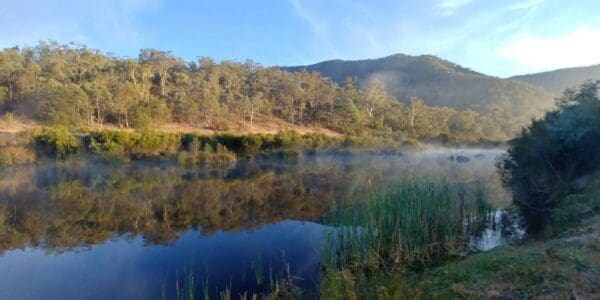
One of the most interesting things about Snowy River National Park is how much ecological variety fits into one park. Differences in geology, landform and climate create a mix of vegetation communities, including warm temperate rainforest, cool temperate rainforest, dry rainforest and rainshadow woodland. In the southern part of the park there is also a small area of clay heathland, an ecosystem that is scarce in Victoria.
This variety in plant life flows through to the wildlife. The park supports a rich spread of habitats for mammals, birds and other fauna, and species such as the Brush-tailed Rock-wallaby, Spot-tailed Quoll and Powerful Owl are part of that picture. It is also known for distinctive local flora, including the Snowy River Daisy.
Culture and Heritage
Snowy River National Park holds Aboriginal cultural sites of great age and significance, with evidence of occupation going back more than 21,000 years. Scar trees, middens and stone artefacts show how people moved along the Snowy River corridor between the Monaro plains and the coastal lowlands.
The park also carries a later layer of history from mining, cattle grazing and small settlements established after the 1830s. Old bridle trails, blaze trees and places such as MacKillops Bridge are part of that legacy. Within the park, New Guinea Cave II is jointly managed with the Gunaikurnai Traditional Owners.
Find more places to explore…
Help expand the trail collection!
Know of an official trail not listed on Trail Hiking Australia? I’m focused on showcasing the best tracks managed by land managers, and I’d love your help! Sharing a trail adds to our community and helps others discover safe, new adventures.
Submit your trail here

