Sorry, no records were found. Please adjust your search criteria and try again.
Sorry, unable to load the Maps API.
Explore stunning hiking trails of Sheldon Forest
Discover the diverse trails of Sheldon Forest, New South Wales, offering hikes and walks for all skill levels and interests. Find your perfect adventure today.
Discover 2 hiking trails in Sheldon Forest
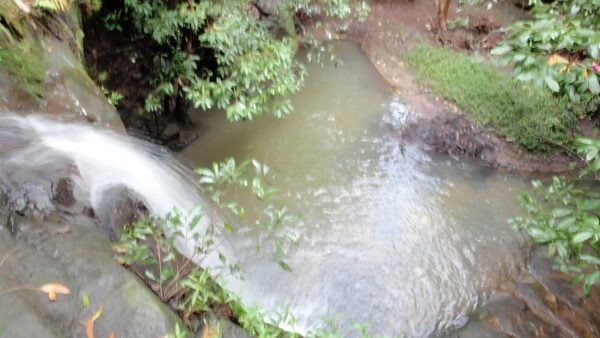

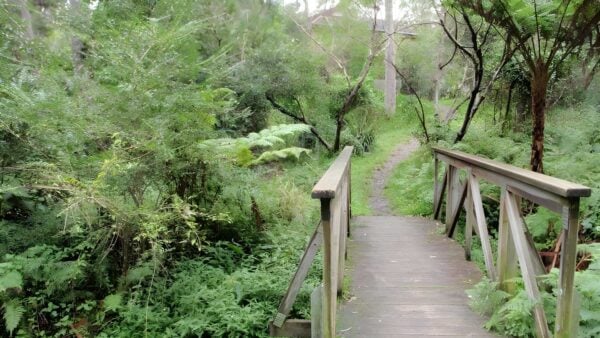

Where shale forest meets sandstone gully in Sheldon Forest
Overview
Sheldon Forest is a pocket of bushland in Ku-ring-gai, set in a narrow valley between Turramurra and Pymble on Sydney’s Upper North Shore. What makes it stand out is the way several distinct forest types sit close together, shifting with the soils and landform from creek flats to slopes and ridge tops. That variety gives the reserve a much richer feel than its urban setting might suggest.
It also carries real conservation weight. Sheldon Forest contains some of the last remnants of Sydney Turpentine Ironbark Forest and Blue Gum High Forest, both endangered ecological communities, and it sits within a longer corridor of bushland linked with nearby reserves.
Highlights
The most distinctive thing about Sheldon Forest is the sharp change in scenery across a relatively small area. Along the creek lines the bush becomes cooler and more shaded, while the slopes and ridges open out into very different forest structure and colour. That contrast between moist gully and drier sandstone country gives the reserve much of its character.
The ridge-top shale country is especially significant, supporting tall forest with blue gums, turpentines and blackbutts, while the sandstone sections carry tougher, more shrubby bushland. Seen as a whole, the reserve is less about one big landmark and more about the way these landscapes fold into each other.
Best Time to Visit
Sheldon Forest is rewarding at most times of year, but the cooler months are often the most comfortable for spending time in the gullies and on the ridges. After decent rain, the creekside sections tend to feel greener and more enclosed, which helps bring out the contrast between the moist valley floor and the drier slopes above.
Spring is also a particularly good time to notice changes in the vegetation, with wattles flowering and the understorey showing more colour and detail.
Plants and Animals
Plant diversity is one of the main reasons Sheldon Forest matters. The reserve shows a clear transition between closed riparian forest beside the creeks, open forest and woodland on sandstone slopes, and taller shale-based forest higher up. In the damper gullies you can expect ferns, climbers and coachwood, while the sandstone areas support species such as angophoras, banksias, grass trees and hakeas.
On the richer shale soils, Blue Gum High Forest and Sydney Turpentine Ironbark Forest survive in remnant patches that are now uncommon across northern Sydney. Sheldon Forest is also recognised as one of the five largest high-quality remnants of Blue Gum High Forest, which helps explain its importance for biodiversity conservation in the district.
Culture and Heritage
Sheldon Forest also has local historic interest, with early stone structures linked to industrial land use from the 1920s recorded within the reserve area.
Find more places to explore…
Help expand the trail collection!
Know of an official trail not listed on Trail Hiking Australia? I’m focused on showcasing the best tracks managed by land managers, and I’d love your help! Sharing a trail adds to our community and helps others discover safe, new adventures.
Submit your trail here

