Sorry, no records were found. Please adjust your search criteria and try again.
Sorry, unable to load the Maps API.
Explore stunning hiking trails of Seal Rocks Conservation Reserve
Discover the diverse trails of Seal Rocks Conservation Reserve, Tasmania, offering hikes and walks for all skill levels and interests. Find your perfect adventure today.
Discover 1 hiking trail in Seal Rocks Conservation Reserve
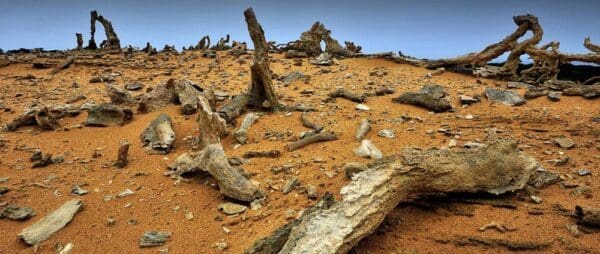

Wave-cut Coast and Wind-shaped Heath at Seal Rocks
Overview
Seal Rocks Conservation Reserve sits on the west coast of King Island, where a broad sweep of exposed shoreline meets the full force of Bass Strait. The reserve is part of a larger protected area at Seal Rocks, alongside the adjoining Seal Rocks State Reserve, together covering just over 1,040 hectares. This is a coastal landscape shaped by weather and salt, with rocky shores, low cliffs, open heath and scrub all tied closely to the sea.
What stands out here is how strongly the coast sets the character of the place. Vegetation stays low and tough in the exposed sections, and the reserve feels open, raw and deeply maritime in a way that is very characteristic of King Island’s western edge.
Highlights
The main appeal of Seal Rocks is its rugged coastal scenery. This is a high-energy shoreline of rock platforms, rocky beaches, steep sea-cliff sections and headlands exposed to prevailing westerlies. In places, freshwater soaks and small creek lines meet the coast, adding another layer to an already varied edge between land and sea.
Because the country is so open to wind and salt spray, the scenery has a stripped-back, elemental quality. Rather than tall forest or sheltered coves, the visual character comes from low coastal vegetation, pale rock, dark reefs and the sense of being out on the far western margin of King Island.
Best Time to Visit
Seal Rocks can be rewarding at any time of year, but it is especially appealing when the coastal vegetation is active and flowering, typically through spring and into the warmer months. In calmer weather, the detail of the shoreline, heath and salt-tolerant plant life is easier to appreciate, while winter and rough-weather periods tend to sharpen the reserve’s exposed, ocean-facing character.
Plants and Animals
Much of the reserve’s natural interest lies in its coastal plant communities. One of the characteristic vegetation types here is spray zone coastal complex, a threatened native vegetation community associated with high-energy coasts. It is made up of wind-pruned heath and succulent herbfield, with species adapted to extreme salt spray and occasional inundation. Plants recorded in this kind of habitat at Seal Rocks include native pigface, rounded pigface, glasswort, coast speargrass, sea-celery and cushionbush.
The wider Seal Rocks area also supports significant plant habitat on King Island, with threatened flora recorded from the state reserve beside it. The reserve forms part of a broader coastal system important for native species that persist in the island’s remaining natural vegetation.
Culture and Heritage
Seal Rocks State Reserve is one of Tasmania’s recognised short-tailed shearwater harvest areas, reflecting an ongoing cultural use connected with muttonbirding on King Island.
Find more places to explore…
Help expand the trail collection!
Know of an official trail not listed on Trail Hiking Australia? I’m focused on showcasing the best tracks managed by land managers, and I’d love your help! Sharing a trail adds to our community and helps others discover safe, new adventures.
Submit your trail here

