Sorry, no records were found. Please adjust your search criteria and try again.
Sorry, unable to load the Maps API.
Explore stunning hiking trails of Scheyville National Park
Discover the diverse trails of Scheyville National Park, New South Wales, offering hikes and walks for all skill levels and interests. Find your perfect adventure today.
Discover 2 hiking trails in Scheyville National Park


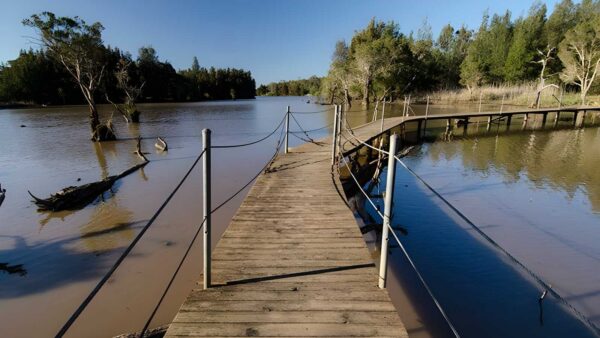
Cumberland Plain Woodland and Wetlands at Scheyville
Overview
Scheyville National Park sits in the Hawkesbury district on Sydney’s north-western edge, about 50km from the centre of Sydney and roughly 5km north-east of Windsor. What makes it stand out is the way open woodland, low-lying creek flats and the broad wetland of Longneck Lagoon come together in a part of western Sydney where much of the original landscape has long since been cleared or changed.
The park protects a substantial remnant of Cumberland Plain woodland as well as wetland habitat tied to the Hawkesbury floodplain. The country here is part of the gently undulating Cumberland Plain, so the landscape feels broad and low rather than rugged, with subtle rises, heavy clay soils and shallow drainage lines shaping the vegetation and the look of the place.
Highlights
The natural character of Scheyville is defined by its contrast between dry woodland and wetter floodplain country. Longneck Lagoon is the standout scenic feature, a broad back-swamp wetland linked to the Hawkesbury system that brings open water, reed margins and birdlife into a park otherwise shaped by grassy woodland.
Elsewhere, the appeal is quieter and more understated. The central part of the park holds wide areas of grey box and ironbark woodland on shale soils, while the surrounding plain gives the area a spacious feel that is quite different from the sandstone bushland many people associate with Sydney. It is a landscape of open forest, creek lines and wetlands rather than steep ridges and dramatic cliffs.
Best Time to Visit
Scheyville suits different seasons for different reasons. The cooler months are usually the most comfortable for walking through the open woodland and around the more exposed parts of the park. After rain, the wetland areas are often at their most interesting, with the lagoon and surrounding flats showing more of the waterbird habitat that gives the park much of its natural value.
Because this is low, open country, the feel of the place changes with water levels, grass growth and seasonal bird activity more than with big shifts in elevation or climate. If you are drawn to birdlife and wetland scenery, periods following decent rainfall tend to show Scheyville at its most distinctive.
Plants and Animals
Scheyville protects an important stretch of Cumberland Plain Grey Box-Ironbark Woodland, with grey box, narrow-leaved ironbark and forest red gum forming much of the central woodland canopy. This community is part of the endangered Cumberland Plain Woodland, and the park also contains other native vegetation types typical of the plain, including transitional forest and smaller patches of scribbly gum woodland.
The park is also notable for its birdlife. Longneck Lagoon and the surrounding wetland country provide important habitat for waterbirds, while the woodland supports a separate mix of forest and terrestrial species. More than 140 bird species have been recorded in the park, including wetland birds and seasonal migrants, which gives Scheyville a reputation well beyond its size as a place for seeing birds in western Sydney.
Culture and Heritage
Scheyville has a long human history as well as a natural one. The park contains evidence of past Aboriginal occupation, and Aboriginal sites within the area are managed in consultation with the Deerubbin Local Aboriginal Land Council.
Its more recent history is unusually layered. Over more than a century the area was used for public purposes including a co-operative labour settlement during the 1890s, agricultural training, migrant reception and military training. That sequence has left a cultural landscape that is closely tied to wider New South Wales and Australian history, and it remains one of the park’s defining qualities.
Find more places to explore…
Help expand the trail collection!
Know of an official trail not listed on Trail Hiking Australia? I’m focused on showcasing the best tracks managed by land managers, and I’d love your help! Sharing a trail adds to our community and helps others discover safe, new adventures.
Submit your trail here

