Sorry, no records were found. Please adjust your search criteria and try again.
Sorry, unable to load the Maps API.
Explore stunning hiking trails of Rouse Hill Regional Park
Discover the diverse trails of Rouse Hill Regional Park, New South Wales, offering hikes and walks for all skill levels and interests. Find your perfect adventure today.
Discover 2 hiking trails in Rouse Hill Regional Park
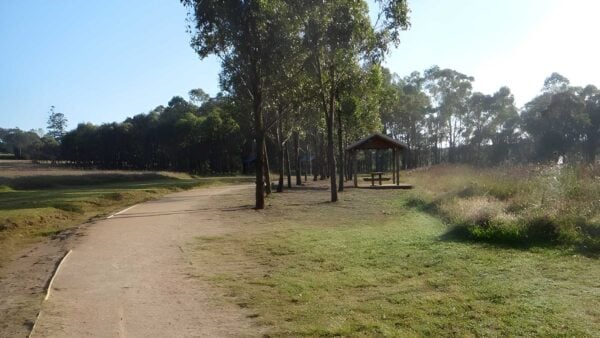

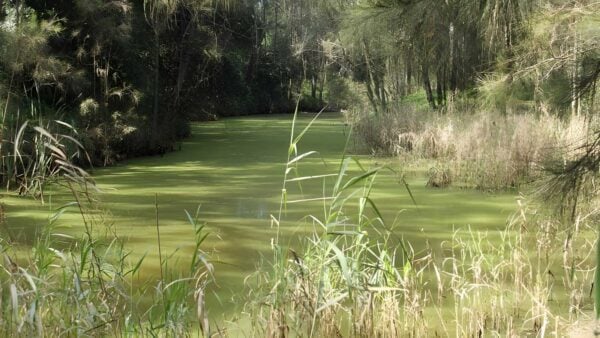
Open Grasslands and Creekside Bush on Sydney’s North-West Edge
Overview
Rouse Hill Regional Park sits in the suburb of Rouse Hill, about 40 kilometres north-west of central Sydney, on the northern edge of the Cumberland Plain. It was created to keep a broad area of open space around the historic Rouse Hill Estate while also providing room for outdoor recreation in a fast-growing part of the city.
What gives the park its character is that mix of open paddock-like ground and patches of remnant bushland. Much of the land was cleared long ago, so the sense of space is immediate, but the park also protects native vegetation along Second Ponds Creek and helps hold together a local wildlife corridor through the surrounding suburbs.
Highlights
The most distinctive scenery here comes from contrast rather than dramatic terrain. Wide grassy slopes and open rural-looking land create long, uncluttered views, especially around the rise near the estate, while the creek corridor adds a greener, more enclosed strip through the eastern side of the park.
That open setting matters visually. It preserves the sense of the old hilltop landscape and softens the transition between historic grounds, remnant bush and newer urban development around the park.
Best Time to Visit
Autumn through spring is usually the most comfortable time to appreciate this park’s open character, when milder weather makes the exposed grassy areas more pleasant and the creekside vegetation looks fresher. Spring is a particularly good time to notice new growth in the native bushland and the contrast between green creek flats and the drier Cumberland Plain setting.
Because this is an urban-edge park with plenty of open ground, summer can feel hotter and brighter than more heavily forested reserves.
Plants and Animals
Although much of the park is cleared, the remaining native vegetation is important. Along Second Ponds Creek there are remnants of Cumberland Plain plant communities, including River-Flat Eucalypt Forest on Coastal Floodplains, Cumberland Plain Woodland and Shale-Gravel Transition Forest. These communities have been greatly reduced across western Sydney, which makes even small surviving patches significant.
The creekline and its surrounding vegetation provide habitat and movement corridors for native animals, including threatened species such as the grey-headed flying-fox. In a suburban setting, these riparian strips do a lot of ecological work, linking this park to larger habitat corridors along nearby creeks.
Culture and Heritage
The park was set aside to protect the setting of the State Heritage-listed Rouse Hill Estate, and that relationship still shapes the place today. The broad open land around the estate helps retain its historic rural context, while features within the park such as the house curtilage, a timber dam on Second Ponds Creek and windmill ruins add to the broader heritage landscape.
A number of Aboriginal sites have also been recorded within Rouse Hill Regional Park, showing evidence of past land use by Aboriginal people.
Find more places to explore…
Help expand the trail collection!
Know of an official trail not listed on Trail Hiking Australia? I’m focused on showcasing the best tracks managed by land managers, and I’d love your help! Sharing a trail adds to our community and helps others discover safe, new adventures.
Submit your trail here

