Sorry, no records were found. Please adjust your search criteria and try again.
Sorry, unable to load the Maps API.
Explore stunning hiking trails of Rottnest Island
Discover the diverse trails of Rottnest Island, Western Australia, offering hikes and walks for all skill levels and interests. Find your perfect adventure today.
Discover 4 hiking trails in Rottnest Island
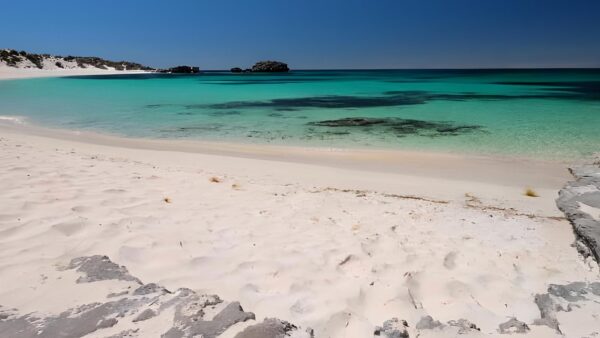

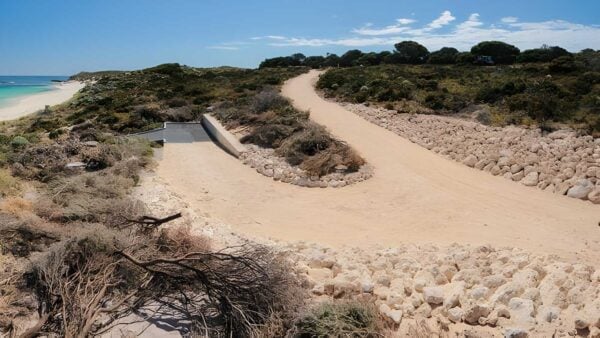
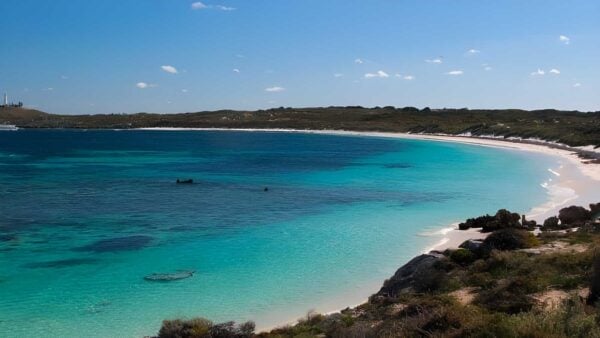
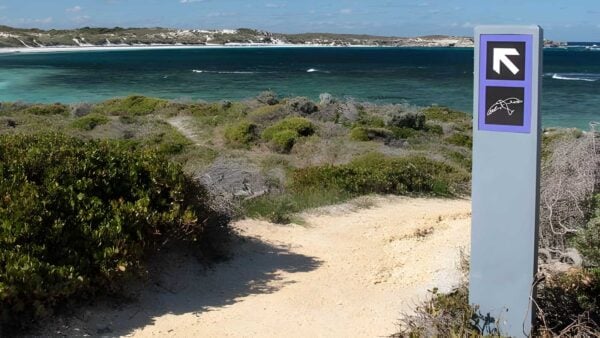
Limestone shores, salt lakes and clear water on Wadjemup
Overview
Rottnest Island, also known as Wadjemup, lies about 19 km off the coast from Fremantle, just west of Perth. Although it feels close to the city, the island has a very distinct character, shaped by low limestone ridges, wide bays, shifting dunes and a chain of inland salt lakes. Its landscapes are compact enough to feel legible in a day, but varied enough that each part of the island has its own mood.
The island is protected as a Class A Reserve and supports six main ecosystems across woodland, wetlands, scrub heath, coast, ocean and settlement areas. That mix is a big part of what makes Rottnest so memorable. You move quickly from sheltered coves and pale beaches to exposed cliffs, samphire flats and lake country, with the Indian Ocean never far away.
Highlights
What stays with most people is the contrast between the calm, bright-water bays and the rougher western shoreline. Around the coast, there are sweeping beaches, dunes and limestone cliffs, with wind and shell-rich sand constantly reshaping the edge of the island. In the island’s interior, the salt lakes add another layer again, giving parts of Rottnest a stark, open look that feels quite different from the beachscape.
The marine setting is just as distinctive. Seagrass meadows, coral reefs, sandy seabeds and rocky shores sit close together in the surrounding reserve, helped by the warm Leeuwin Current. That combination gives the island its clear-water appeal and makes the shoreline feel as important as the land itself.
Best Time to Visit
Spring is a particularly rewarding time to visit, when the island’s plant communities are at their liveliest and young quokkas begin appearing outside the pouch. The cooler months also suit walking well, especially if you want to spend more time out on the more open parts of the coast and around the lakes.
Winter brings the season when the wetlands are replenished by rainfall and groundwater, and towards the end of winter humpback whales can pass through the surrounding waters. Summer has the brightest beach weather, but the island’s open terrain means there is less shelter than many mainland bushwalking areas.
Plants and Animals
Rottnest Island is best known for its quokkas, but the wildlife story is much broader than that. The woodlands support birds such as golden whistlers, red-capped robins, silvereyes and singing honeyeaters, while the wetlands attract shelducks, terns, waders and migratory shorebirds. The salt lake system is especially important for birdlife and supports more than 1 per cent of the world’s population of banded stilts.
Across the heath and coastal country, reptiles such as bobtails and king skinks are a regular part of the landscape. Offshore, the marine life is unusually rich for a metropolitan island, with tropical fish, hard corals, green turtles, western rock lobster, dolphins, Australian sea lions and long-nosed fur seals all part of the picture. On land, the vegetation shifts between Rottnest Island pine, tea tree, wattle, samphire and dense heath, reflecting the island’s dry climate, limestone base and salty conditions.
Culture and Heritage
Wadjemup is the Noongar name for the island, and it is the land of the Traditional Owners, the Whadjuk Noongar people. The island holds enduring cultural and spiritual significance, and is known as a resting place of the spirits. Archaeological evidence shows Whadjuk people were active here long before rising sea levels separated the island from the mainland.
Wadjemup also carries a heavy and important Aboriginal history. During the colonial period, Aboriginal men and boys from across Western Australia were imprisoned here, and the island remains a memorial place where many of them are buried. That history is inseparable from the place, and it gives Rottnest a cultural weight that sits alongside its coastal beauty.
Find more places to explore…
Help expand the trail collection!
Know of an official trail not listed on Trail Hiking Australia? I’m focused on showcasing the best tracks managed by land managers, and I’d love your help! Sharing a trail adds to our community and helps others discover safe, new adventures.
Submit your trail here

