Where the Mount Lofty Ranges open into forested ridges and the South Para River
Overview
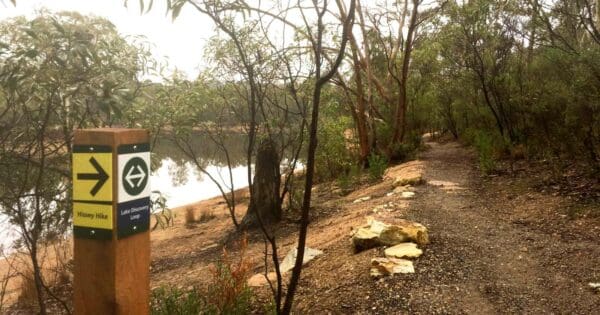
Para Wirra Conservation Park sits in the northern Mount Lofty Ranges, about 40 km north-east of Adelaide, where the hills begin to break into ridges, gullies and creek lines. It protects a substantial remnant of native vegetation close to Adelaide’s northern suburbs, with the South Para River and its tributaries shaping much of the park’s character.
This is a park of dry slopes, rocky ground and sheltered watercourses rather than one single dramatic landmark. The landscape changes noticeably as you move through it, from open woodland and low forest to denser scrub around creeks and damp pockets, which gives the whole area a more varied feel than its location on the edge of the city might suggest.
Highlights
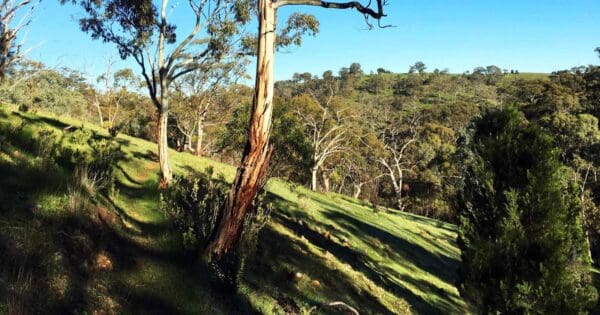
The park’s appeal lies in its classic northern Mount Lofty Ranges scenery: broad ridgelines, steep-sided gullies and the South Para River cutting through the landscape. Around the watercourses, the country softens into alluvial flats and sheltered creek corridors, while the higher ground stays drier, rockier and more open.
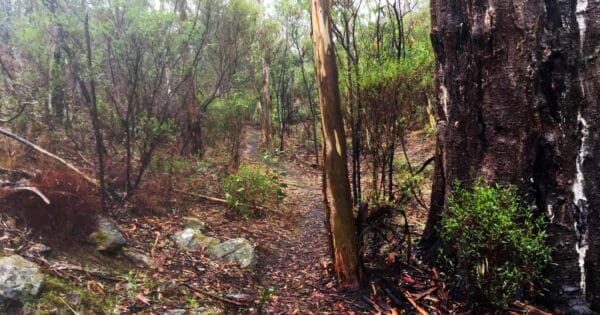
There is also a lot of subtle botanical variety in the shape of the land itself. Flat-topped plateaus, exposed ridges and sheltered slopes each carry slightly different plant communities, so the scenery shifts from open eucalypt country to sheoak scrub, heath and creek-side vegetation over relatively short distances.
Best Time to Visit
The cooler months are the most rewarding time to see Para Wirra at its best. Late winter through to spring brings greener country and wildflowers, and the more sheltered gullies and creek lines feel especially fresh after rain.
Summer still has its own dry bush character, but if you are more interested in the park’s plant life and the contrast between its ridges and watercourses, the months from late winter into spring show it most clearly.
Plants and Animals
Para Wirra protects a broad mix of native vegetation, including woodland, open woodland, low open forest, scrub and heath. Much of the park is dominated by eucalypt communities, with river red gums along the major watercourses and other eucalypts spread across ridges, gullies and slopes. Native pine, drooping sheoak, grass trees, banksia and a range of shrubs add to that layered look, especially in the scrub and heathier sections.
The South Para River corridor stands out as a distinct habitat, with alluvial sands and gravels supporting plant species not widely seen elsewhere in the park. In the broader bushland, western grey kangaroos are a familiar sight, while the birdlife is notably rich, with 120 species recorded. Emus are present, and the mix of woodland, river habitat and open ground supports everything from honeyeaters and wrens to herons, ducks and birds of prey. Reptiles and amphibians are part of the picture too, including species such as shinglebacks, bearded dragons and long-necked tortoises.
Culture and Heritage
Para Wirra sits on the shared lands of three nations: the Peramangk, Ngadjuri and Kaurna peoples. The park is described as an important meeting place where the Mount Lofty Ranges and South Para River connect country associated with all three.
The name reflects that connection to landscape. In Kaurna language, Para, more accurately Pari, means river, creek or gully, and Wirra means forest, giving the sense of a forest where water runs through.