Sorry, no records were found. Please adjust your search criteria and try again.
Sorry, unable to load the Maps API.
Explore stunning hiking trails of Northcliffe
Discover the diverse trails of Northcliffe, Western Australia, offering hikes and walks for all skill levels and interests. Find your perfect adventure today.
Discover 5 hiking trails in Northcliffe





Where Forest Country Meets the Southern Ocean at Northcliffe
Overview
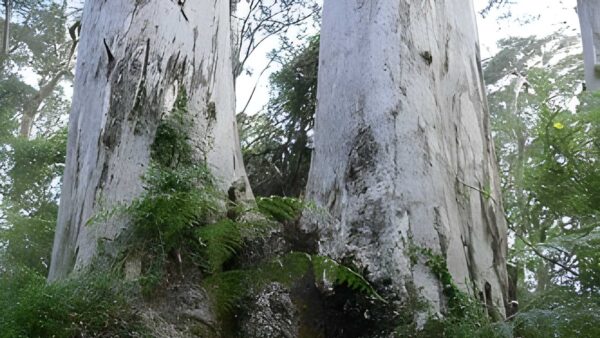
Northcliffe sits in the far south-west of Western Australia, surrounded by a mix of tall forest, river country and a rugged stretch of coast. It is a useful base for getting a feel for this part of the Warren region, where karri forest gives way to granite outcrops, wetlands and long reaches of Southern Ocean shoreline. The landscape around town is closely tied to nearby national parks including D’Entrecasteaux, Shannon and Mount Frankland South.
This is a part of the South West with real contrast. Inland, the country is shaped by old growth karri and jarrah forest and the Deep River catchment. South of town, the coast changes abruptly to high limestone cliffs, broad beaches, mobile sand dunes and coastal heath. That mix gives Northcliffe a very different character from the better-known inland forest towns and from the more sheltered coastal settlements further east.
Highlights
The standout scenery around Northcliffe comes from the meeting of dense southern forest and an exposed ocean edge. D’Entrecasteaux National Park stretches for 130 kilometres along the coast between Augusta and Walpole, with white beaches, rugged cliffs, freshwater lakes and major dune systems creating a broad, open landscape quite unlike the forest just inland.
Closer to the forested side of the district, the Deep River winds through Mount Frankland South National Park, passing through largely forested catchment country and over granite at Fernhook Falls. Shannon National Park adds another layer again, with extensive karri forest and river country that helps define the feel of the inland landscape around Northcliffe.
Best Time to Visit
Spring is usually the most rewarding time to see the district at its most colourful, with wildflowers peaking through the parks and heathlands. Winter and early spring also bring strong flow in places like Fernhook Falls and more drama along the coast, while the cooler months generally suit longer days out in the forest.
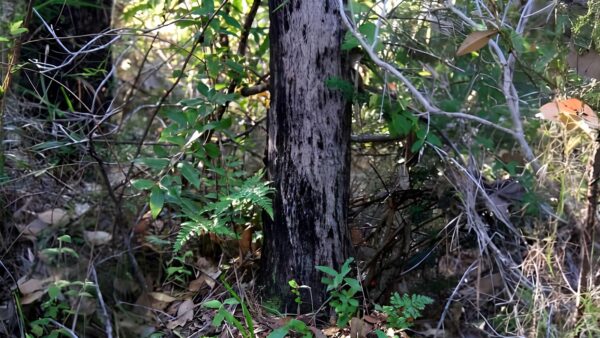
Northcliffe is worth considering beyond spring as well. The tall forest stays impressive year round, and in late summer and autumn the karri trunks take on richer shades as bark sheds, giving the inland country a different look from the wetter months.
Plants and Animals
The country around Northcliffe supports a wide spread of South West habitats, from karri, jarrah and marri forest to wetlands, coastal heath and dune systems. In D’Entrecasteaux National Park alone, more than 850 native plant species are recorded, and Mount Chudalup supports a specialised granite outcrop community with mosses, lichens and liverworts that differ from the surrounding forest.
Wildlife is just as varied. The wider Northcliffe area provides habitat for species including woylies, quokkas and chuditch, along with possums, wallabies and bandicoots. Along the coast, southern right whales pass during their migration season, New Zealand fur seals are sometimes seen at Black Point, and places such as Lake Jasper and Lake Maringup are recognised as important wetlands for waterbirds on the south coast.
Culture and Heritage
Country around Northcliffe holds recognised Aboriginal connections, but the picture is not the same across every nearby park. Mount Frankland South National Park is acknowledged as Menang country, while D’Entrecasteaux National Park is recognised as belonging to Minang and Bibbulman people. Because Northcliffe sits beside several different protected areas rather than a single park boundary, the cultural story here is best understood as place-specific and tied to the particular reserve you are visiting.
There is also a visible layer of more recent heritage in the surrounding parks. Along the coast, Mandalay Beach takes its name from the Norwegian barque Mandalay, wrecked there in 1911, while inland the Shannon area reflects the history of forestry and settlement that shaped this part of the southern forests in the twentieth century.
Find more places to explore…
Help expand the trail collection!
Know of an official trail not listed on Trail Hiking Australia? I’m focused on showcasing the best tracks managed by land managers, and I’d love your help! Sharing a trail adds to our community and helps others discover safe, new adventures.
Submit your trail here

