Where the Central Coast Cliffs Meet the Sea at Norah Head
Overview
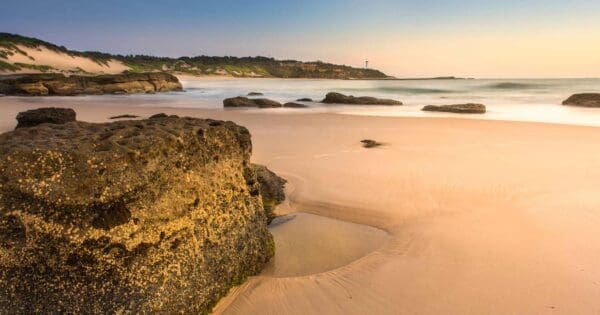
Norah Head sits on a prominent stretch of the Central Coast just north of The Entrance, where a low headland pushes into the Pacific and creates a mix of rocky shoreline, small beaches and open ocean views. The reserve around the lighthouse covers almost 20 hectares, giving the place a broader natural setting than its built landmark might first suggest.
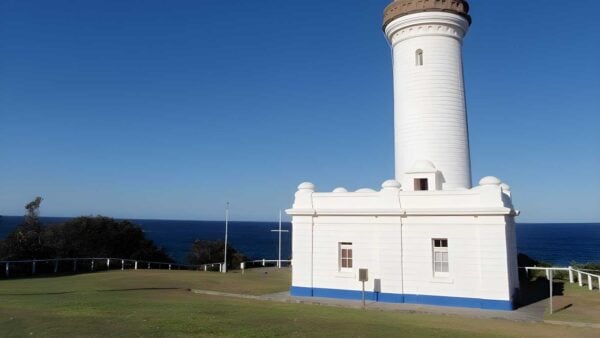
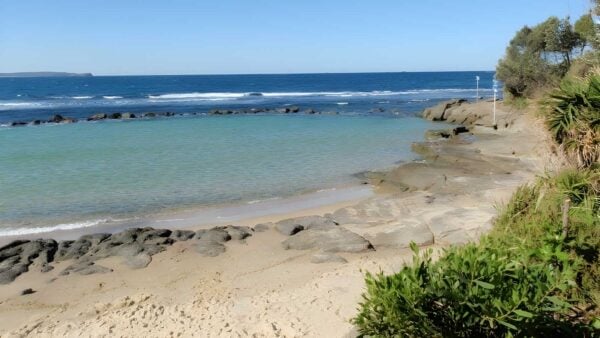
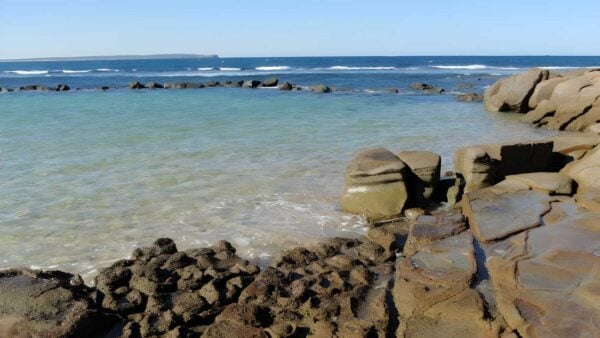
The headland is best known for its lightstation, but the setting is just as important as the structure itself. Around the point, intertidal rock platforms, shallow reef, sandy coves and exposed coastal slopes give Norah Head a distinctly maritime character shaped by wind, salt and constant movement from the sea.
Highlights
The defining feature here is the headland itself: a rugged point with ocean on three sides, broken by rock shelves, small bays and a raised lookout position above the water. It is a place of changing light and weather, with long coastal views that make the meeting of land and sea feel especially clear.
Norah Head also stands out for the variety packed into a relatively compact area. There are beaches and rocky shores side by side, with shallow reef offshore and a more sheltered pocket of water at Cabbage Tree Bay. From May to November, the coastline is also a recognised whale-watching spot.
Best Time to Visit
Norah Head is rewarding in any season, but the cooler months often bring the clearest air and some of the best conditions for long-distance coastal views. Winter and spring are also the main whale-watching months, which adds another layer to time spent on the headland.
Summer suits readers who want to see the place at its brightest, when the contrast between white surf, dark rock platforms and coastal vegetation is at its strongest. Early morning and late afternoon usually show the headland at its best, when the light softens the exposed coastline.
Plants and Animals
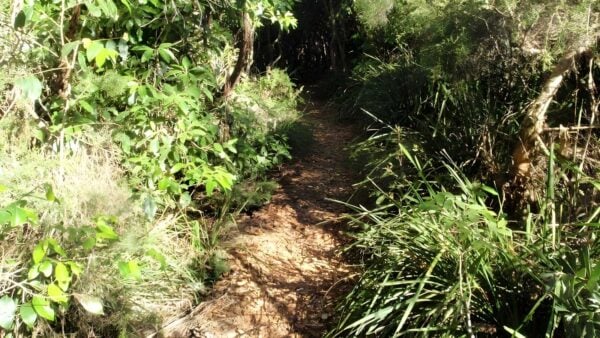
Despite its highly visible coastal setting, Norah Head supports important native vegetation. The headland includes low eucalypt woodland and banksia heath, along with a significant area of the endangered ecological community known as low woodland with heathland on indurated sand. Camfield’s gum, a vulnerable species, also occurs here.
The surrounding coast and nearby marine waters add to that ecological value. Significant fauna recorded around the headland include squirrel gliders and several shore and seabird species, while humpback and southern right whales have been recorded offshore. The mix of rocky shore, beach and shallow reef helps explain why the area supports such a broad spread of coastal and marine life.
Culture and Heritage
Norah Head has recorded Aboriginal cultural significance, with the area recognised as having importance to local Aboriginal communities. Recorded evidence of past cultural use at this specific place includes camp and fishing trap sites.
The lightstation adds another layer of heritage. The lighthouse was completed in 1903 as part of the late phase of lighthouse building on the New South Wales coast, and the precinct remains notable for how intact it is, with the lighthouse, cottages and associated structures still clearly expressing the working life of the site.