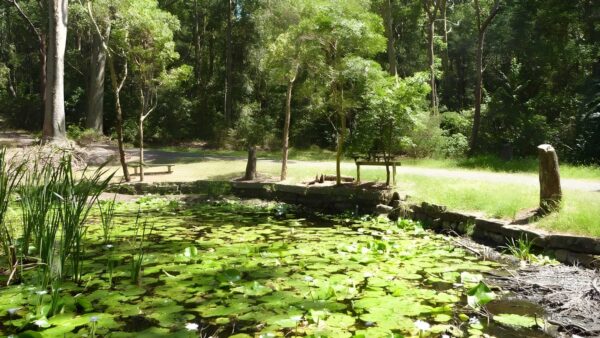
Blackbutt Bushland on Newcastle’s Doorstep
Overview
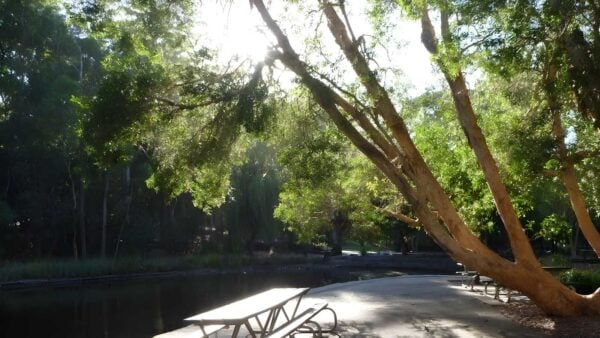
New Lambton is home to Blackbutt Reserve, a large area of native bushland about 6 kilometres from Newcastle’s city centre. Covering 182 hectares, it forms one of the city’s best-known green spaces, with substantial stretches of natural forest and creek-lined gullies still intact within the suburban area.
The reserve began with 6 hectares of New Lambton bushland purchased in 1934, and that original patch grew into the much broader protected area seen today. Its scale and setting make it feel bigger than its urban location suggests, with changing slopes, sheltered pockets and open bushland giving the landscape plenty of variety.
Highlights
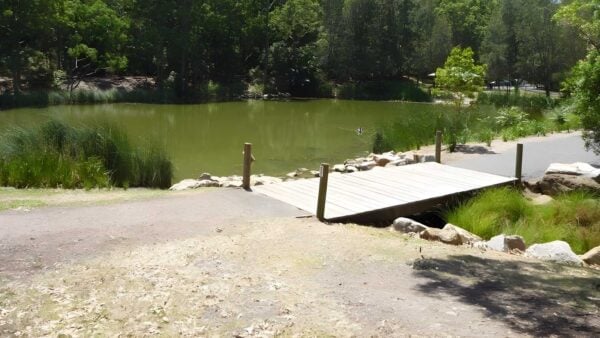
The standout feature here is the extent of native bushland so close to central Newcastle. Blackbutt’s landscape is shaped by varied geology, topography, soils and microclimates, which creates noticeable changes in character from one part of the reserve to another. Instead of one single scenic focal point, the appeal is in the mix of ridgelines, gullies, creek corridors and dense stands of eucalypt forest.
That physical complexity also gives the reserve a strong sense of contrast. Some sections feel dry and open, while others are cooler, more sheltered and richer in understorey growth. For a suburban reserve, it has an unusually broad natural character.
Best Time to Visit
Blackbutt Reserve can be rewarding at any time of year, but the milder months from autumn to spring usually show it at its most comfortable. Cooler temperatures suit longer walks through the bushland, and seasonal changes in light and growth make the forest feel different across the year.
After periods of good rain, the gullies and creek lines tend to feel greener and more lush. In the drier, warmer months, the open eucalypt forest and sandstone country become more prominent in the landscape.
Plants and Animals
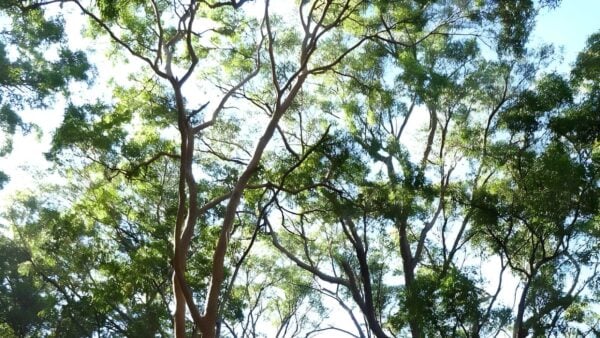
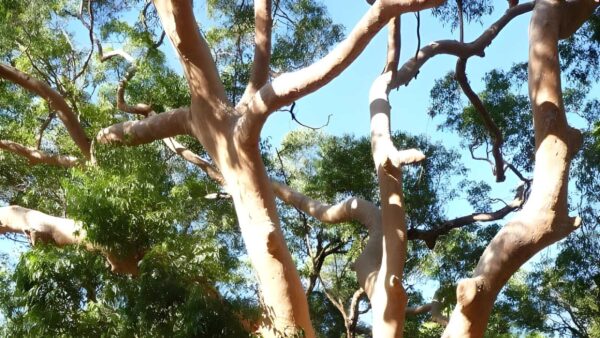
Blackbutt supports a rich mix of vegetation communities, helped by its varied landform and soils. One of the documented communities is coastal plains smooth-barked apple woodland, with canopy species including smooth-barked apple, red bloodwood, brown stringybark and broad-leaved grey gum. The reserve also contains hundreds of identified habitat trees, which are an important part of its ecological value.
Wildlife is a big part of the character of the bushland. Wild fauna recorded in and around the reserve include brush-tail possums, grey-headed flying foxes and powerful owls, and the reserve is recognised as important local habitat for protected and threatened flora and fauna species.
Culture and Heritage
Blackbutt Reserve stands on the traditional country of the Awabakal and Worimi peoples. In more recent history, the reserve grew from New Lambton bushland secured for public recreation during the 1930s, with further land added over time as the area was protected from redevelopment.