Sorry, no records were found. Please adjust your search criteria and try again.
Sorry, unable to load the Maps API.
Explore stunning hiking trails of New England National Park
Discover the diverse trails of New England National Park, New South Wales, offering hikes and walks for all skill levels and interests. Find your perfect adventure today.
Discover 8 hiking trails in New England National Park
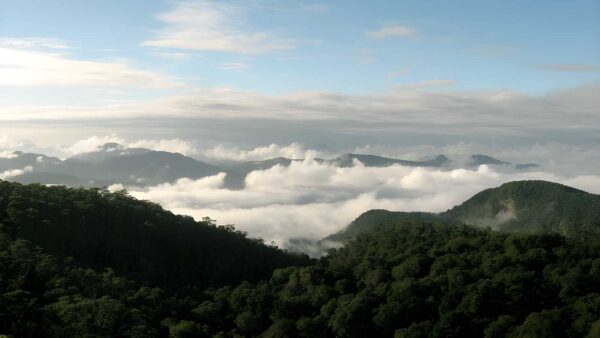






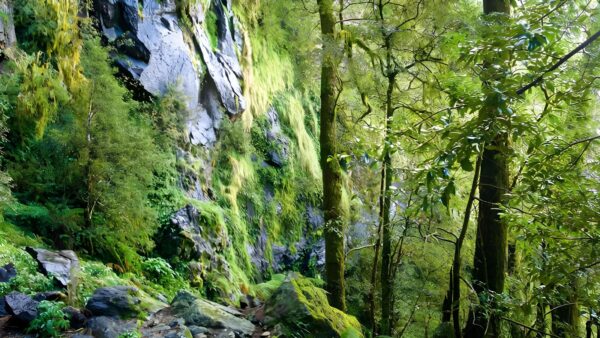



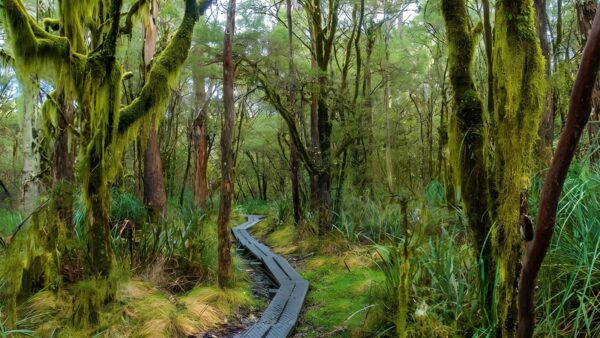
Rainforest and Escarpment on the Edge of the Tablelands
Overview
New England National Park sits on the edge of the Great Escarpment in the Northern Tablelands of New South Wales, about 70 kilometres east of Armidale. The park is known for its sharp meeting of tableland and coast, where high country forests and rainforest give way to deep valleys, gorges and river systems dropping toward the coast. The northern part of the park forms part of the Gondwana Rainforests of Australia World Heritage Area, reflecting the age and significance of its rainforest landscapes.
It is also a large park, covering 68,847 hectares, with a mix of rainforest, tall open forest, woodland, heath and swamp communities shaped by altitude, geology and exposure. That variety gives the place a very distinct feel, with cool upland country on the plateau and more rugged escarpment country falling away below.
Highlights
The park’s defining scenery comes from the escarpment itself. There are broad views across rugged, forested country, dramatic cliff lines and deep-cut valleys, with clear sightlines that can stretch from the plateau toward the coast. Point Lookout is the best-known vantage point, and it sums up the park well: high, exposed country at the rim of the escarpment with an enormous sweep of landscape below.
Beyond the lookouts, the contrast between landforms is what makes this park memorable. Pristine watercourses run through deep gorges, and the shift from open tableland vegetation into sheltered rainforest gives the whole area a layered, changing character rather than one single scenery type.
Best Time to Visit
New England National Park changes noticeably with season and elevation. The higher parts of the park are coolest in autumn, winter and early spring, when the air is crisp and the escarpment views are often especially clear. Spring is also a good time to see the upland vegetation at its liveliest, while the rainforest sections tend to feel cool and shaded through much of the year.
Summer can still be rewarding, particularly in the higher country, but this is a park where the plateau climate and the escarpment setting mean conditions can feel very different from lower-lying parts of the state. If you want the clearest sense of its contrasts, the cooler months usually show them best.
Plants and Animals
This is one of the park’s real strengths. Its vegetation ranges from Gondwanan rainforest to tall forest, woodland, heath and swamp, with several plant species found only in these parks and others that survive here as relics of much older landscapes. At the highest elevations, cool temperate rainforest includes Antarctic beech, a species now restricted to north-east New South Wales and nearby parts of Queensland.
The park also supports habitat for a range of threatened and significant wildlife and forms part of a regional corridor linking the coast and the New England Tablelands. Among the species recorded here are the silver sword lily and the critically endangered Bellinger River snapping turtle, along with a range of animals tied to the park’s intact forests, streams and escarpment habitats.
Culture and Heritage
New England National Park lies within the traditional Country of the Thunggutti, Gumbaynggirr and Anaiwan peoples. The park contains sites of cultural significance, including traditional pathways, ceremonial places and rare stone arrangements, and Point Lookout is among the places recognised as culturally important within the broader park landscape.
There is also a long history of park protection here. New England National Park was established in 1931 and formally dedicated under its current name in 1935, making it one of the earlier protected mountain parks in New South Wales.
Find more places to explore…
Help expand the trail collection!
Know of an official trail not listed on Trail Hiking Australia? I’m focused on showcasing the best tracks managed by land managers, and I’d love your help! Sharing a trail adds to our community and helps others discover safe, new adventures.
Submit your trail here

