Coastal plains, wetlands and wildlife on Tasmania’s north coast
Overview
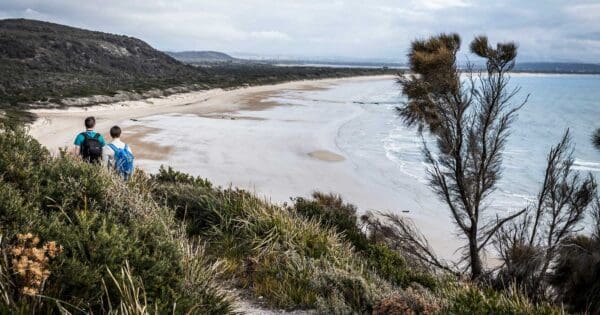
Narawntapu National Park sits on Tasmania’s central north coast, with a landscape that feels broad, open and very different from the island’s alpine and forested parks. It is known for its mix of coastal heathlands, grasslands, wetlands and dry sclerophyll woodland, with long sandy beaches and low hills shaping much of its character. The main park area is about half an hour east of Devonport, which helps place it for anyone travelling across the north of the state.
What stands out most here is the sense of space. Around Springlawn, open plains run into lagoons, estuarine edges and coastal country, creating one of those places where the land seems to unfold in layers rather than rise dramatically.
Highlights
The park’s scenery comes from variety rather than one single landmark. Long beaches, dune systems, saltmarsh, coastal scrub and open flats all sit within the one reserve, giving Narawntapu a distinctly north Tasmanian feel. Bakers Beach is one of the defining features, while the broader park also includes wide wetlands and tidal areas that add a quieter, more reflective side to the landscape.
Further depth comes from the vegetation patterns across the coast. Behind the dunes, grassland gives way to heath, coastal wattle thickets, herbland in the swales and patches of swamp forest, while inland hills carry dry woodland. That layering is a big part of what makes the scenery here feel so rich and textural.
Best Time to Visit
Narawntapu works well in different seasons, but the experience changes with the light, the birdlife and the feel of the coast. Warmer months tend to suit readers wanting longer days and a softer beach atmosphere, while the cooler months can make the open plains, wetlands and heath country feel especially clear and spacious.
If wildlife is part of the appeal, dawn and dusk are often the times when the park’s open grasslands feel most alive. This is a place where seasonal changes are less about dramatic shifts in access and more about mood, wind, light and animal activity across the plains.
Plants and Animals
Narawntapu is one of Tasmania’s best-known parks for watching native mammals in open country. Forester kangaroos, Bennett’s wallabies and pademelons are regularly seen on the grasslands around Springlawn, which is a big part of the park’s character.
The range of habitats also supports a strong spread of birdlife, including honeyeaters, green rosellas, black cockatoos, raptors, robins, wrens and fantails. Botanically, the park is important for its coastal heath communities, wetlands, saltmarsh and patches of swamp forest, with a notable concentration of threatened flora recorded across the reserve.
Culture and Heritage
Narawntapu holds an important place in Tasmania’s naming history as the first national park to return to an Aboriginal name. Narawntapu comes from the Badger Head and West Head areas within the park.
The park also contains European heritage places linked with early colonial settlement and land use, including the site of Addington Lodge, later known as the Golden Fleece Inn, and the reclaimed flats associated with Arthur’s Marsh Farm.