Sorry, no records were found. Please adjust your search criteria and try again.
Sorry, unable to load the Maps API.
Explore stunning hiking trails of Namadgi National Park
Discover the diverse trails of Namadgi National Park, ACT, offering hikes and walks for all skill levels and interests. Find your perfect adventure today.
Discover 27 hiking trails in Namadgi National Park



High Country Wetlands and Granite Ranges of Namadgi
Overview
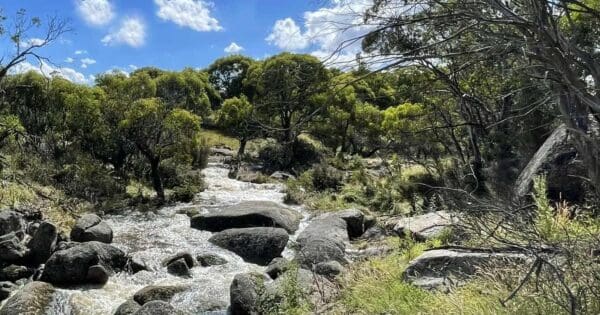
Namadgi National Park covers 106,095 hectares in the south-west of the ACT and makes up almost half of the territory. Declared in 1984, it protects a big sweep of mountain country, from broad river valleys to alpine and subalpine country along the western and southern ranges. The park also plays an important role in Canberra’s landscape and water catchments, with large areas managed first and foremost for conservation.
Close to Tharwa and roughly an hour south of central Canberra, Namadgi feels like the ACT’s high country. Its scale is part of what sets it apart. This is a large, rugged park where long ridgelines, sheltered valleys and remote uplands all sit within one protected area.
Highlights
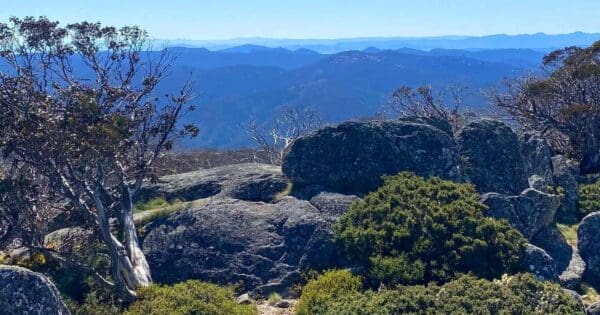
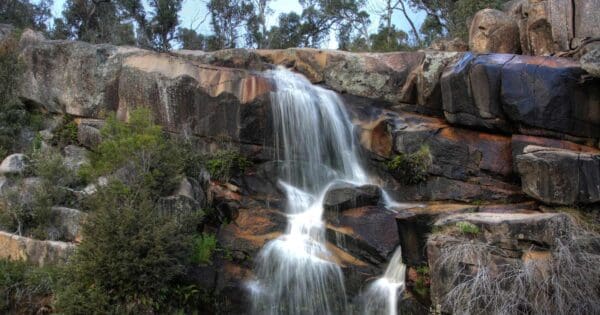
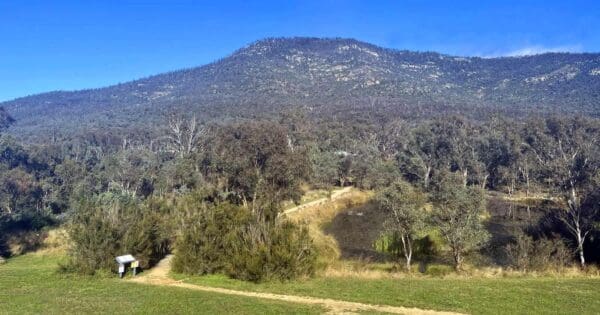
The scenery in Namadgi is defined by mountain ranges and deeply cut valleys, with the Bimberi Wilderness giving much of the park its remote, high-country character. Granite outcrops and rock benches shape parts of the landscape, while the upper slopes and tablelands shift into subalpine shrubland, herbfields, bogs and fens.
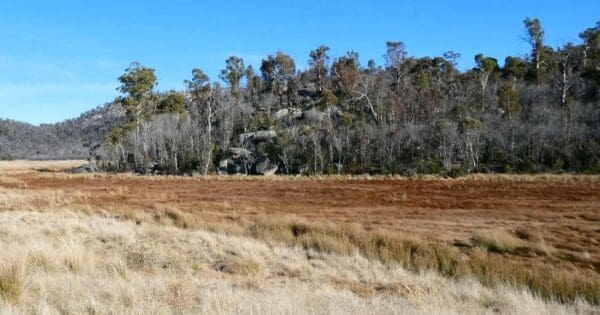
One of the park’s most distinctive natural features is its wetland country. Namadgi holds eleven of the ACT’s thirteen nationally important wetlands, and the Ginini Flats Wetland Complex is the only Ramsar-listed wetland in the territory. These peatlands and sphagnum bogs are not just visually different from the surrounding forest, they are also central to the park’s ecological character.
Best Time to Visit
Namadgi changes a lot with the seasons, so the best time depends on what kind of landscape you want to see. Warmer months tend to show the park at its most open and varied, especially across the valleys, forests and higher country. In the colder part of the year, the Brindabella Range can see regular snow, which gives the upper country a very different feel.
Spring and early summer are often a particularly good balance, when the high-country vegetation is active and the contrast between forest, grassland and wetland is easy to appreciate. Autumn can also be a great time for clear air and broad mountain views.
Plants and Animals
Namadgi protects a wide spread of upland ecosystems, including montane and subalpine grasslands, shrublands, herbfields, wetlands, bogs and fens. Those high-altitude sphagnum bogs are especially important because they act like sponges, slowly releasing clean water into the ACT’s water supply and supporting specialised habitat that does not occur widely elsewhere in the territory.
The park is also important for threatened wildlife. The endangered northern corroboree frog survives in the higher parts of Namadgi, and the park supports species such as the spotted-tailed quoll, smoky mouse and platypus. Its mix of woodland, forest, wetland and alpine habitats also supports a rich birdlife across very different elevations.
Culture and Heritage
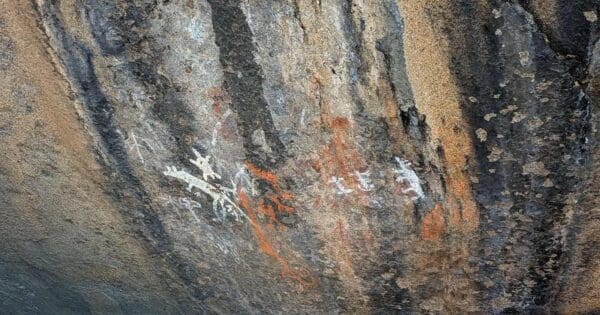
Namadgi has strong and explicitly recognised Aboriginal cultural connections. Official sources describe the area as a place with evidence of long Aboriginal use, including quarry sites, ceremonial stone arrangements and rock art. They also note that several language groups have connections with the country that is now the park, including Ngunnawal, Ngarigo and Walgalu, with no clear historical boundary between them.
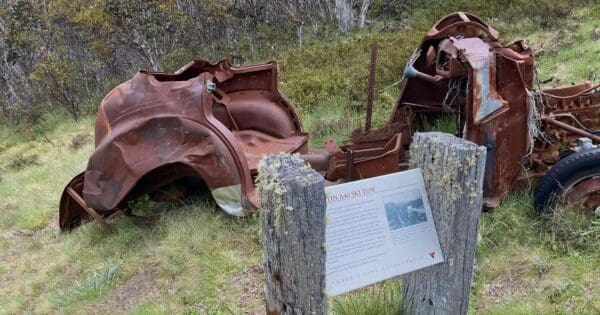
The park also carries a layer of pastoral history in its river valleys, where grazing properties were established after European settlement. That history still sits in the landscape alongside Aboriginal heritage and the remains of later twentieth-century sites.
Find more places to explore…
Help expand the trail collection!
Know of an official trail not listed on Trail Hiking Australia? I’m focused on showcasing the best tracks managed by land managers, and I’d love your help! Sharing a trail adds to our community and helps others discover safe, new adventures.
Submit your trail here

