Sorry, no records were found. Please adjust your search criteria and try again.
Sorry, unable to load the Maps API.
Explore stunning hiking trails of Mount Stirling Alpine Resort
Discover the diverse trails of Mount Stirling Alpine Resort, Victoria, offering hikes and walks for all skill levels and interests. Find your perfect adventure today.
Discover 7 hiking trails in Mount Stirling Alpine Resort





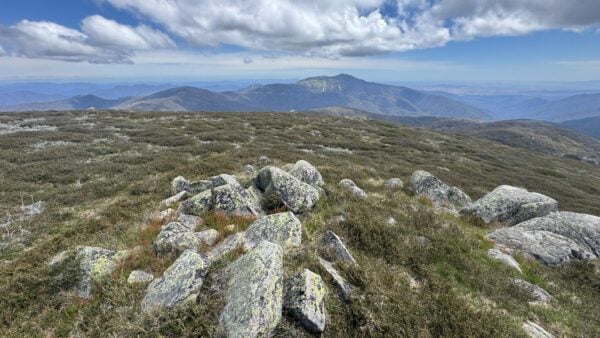
Snow Gums, Bogs and Open Ridges on Mount Stirling
Overview
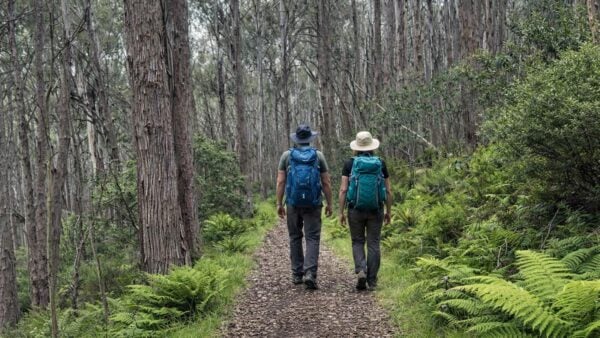
Mount Stirling Alpine Resort sits in Victoria’s High Country near Mansfield, a few hours north-east of Melbourne, and has a noticeably quieter, more low-key feel than many of the state’s alpine destinations. The mountain is shaped by broad ridgelines, open high country clearings and sub-alpine forest, with a character that changes sharply between the snow season and the warmer months.
What makes Mount Stirling distinctive is that it is managed as a year-round, nature-based alpine resort with a strong focus on environmental values, heritage and climate adaptation. Much of the mountain remains closely connected to the surrounding native vegetation of nearby state forest and the Alpine National Park, so it feels less like a separate resort enclave and more like part of a larger alpine landscape.
Highlights
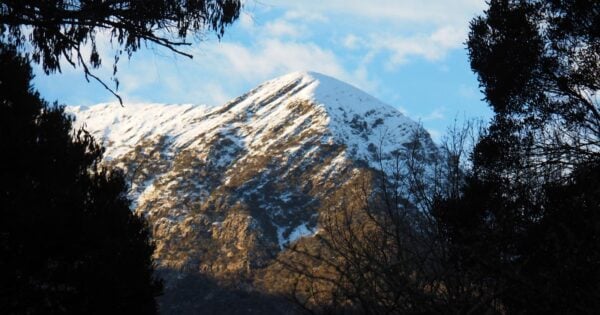
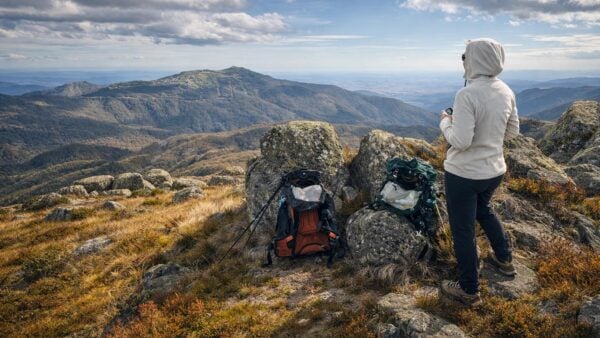
The appeal here is in the shape of the country itself. Mount Stirling has open summit areas, long forested spurs and a patchwork of treeless alpine vegetation and snow gum woodland that gives the mountain a spacious, high-country look. From the upper slopes and summit country, the landscape opens out to surrounding ranges and neighbouring peaks, with a strong sense of elevation without the more built-up feel found elsewhere.
Another standout is the contrast between vegetation communities across a relatively compact mountain. Treeless grassland and heath sit alongside sub-alpine woodland, wet heathland and drainage lines, creating a varied alpine setting that feels different as you move from exposed ridges into sheltered gullies.
Best Time to Visit
Mount Stirling works differently across the seasons. Winter brings the snow cover that gives the mountain its classic alpine character, while the warmer months reveal the open ridges, snow gum country and sub-alpine plant communities more clearly. If you want clear views and a better sense of the mountain’s vegetation and landforms, the snow-free months are usually the easiest time to appreciate it.
Spring and early summer can be especially rewarding as the higher country begins to open up after winter and the alpine vegetation is more active. Autumn has its own appeal too, with quieter conditions and a sharper sense of the mountain’s broad contours and forested spurs.
Plants and Animals
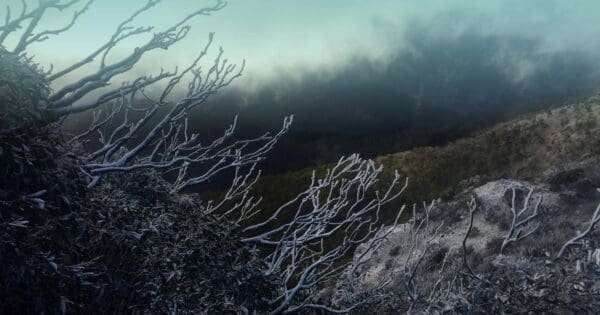
Mount Stirling supports a mix of montane and sub-alpine vegetation, including montane damp forest, riparian thickets, sub-alpine shrubland, sub-alpine woodland, wet heathland, wet sedgeland, alpine grassland and grassy heathland. The treeless alpine areas and wetter boggy ground are especially important parts of the mountain’s ecology, and they sit within a broader native landscape that continues beyond the resort boundary.
This is also a place where habitat protection is a major part of how the mountain is managed. Sensitive alpine vegetation communities, including sphagnum bog and fen habitat, are present here, and the mountain forms part of a wider alpine environment where native species and vegetation are closely tied to snow cover, drainage patterns and short growing seasons.
Culture and Heritage
Mount Stirling Alpine Resort lies within Taungurung Country. The mountain is part of a broader highlands area long used for resources, with stone sources, plants and animals all contributing to Aboriginal life in this country. The lands around Mount Stirling are described as having been occupied by the Yowung-illam balug clan, and cultural heritage responsibilities for the area are held by the Taungurung Land and Waters Council.
Find more places to explore…
Help expand the trail collection!
Know of an official trail not listed on Trail Hiking Australia? I’m focused on showcasing the best tracks managed by land managers, and I’d love your help! Sharing a trail adds to our community and helps others discover safe, new adventures.
Submit your trail here

