Ancient Engravings on Sydney’s Northern Sandstone
Overview
Mount Kuring-Gai is a very small Aboriginal Area in northern Sydney, just north of the suburb of Mount Kuring-Gai and set between Berowra Valley National Park and Ku-ring-gai Chase National Park. Reserved in 1997, it covers about 0.6 hectares and protects a place valued for both its cultural meaning and its position within the surrounding sandstone bushland landscape.
Highlights
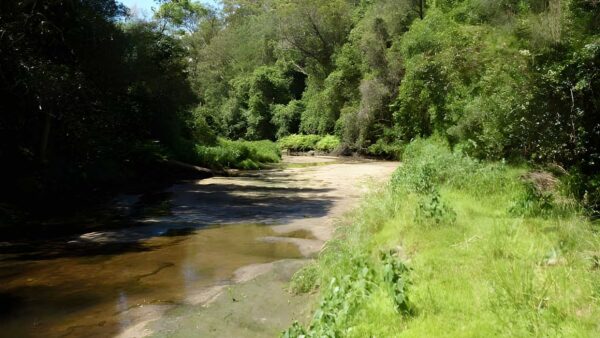
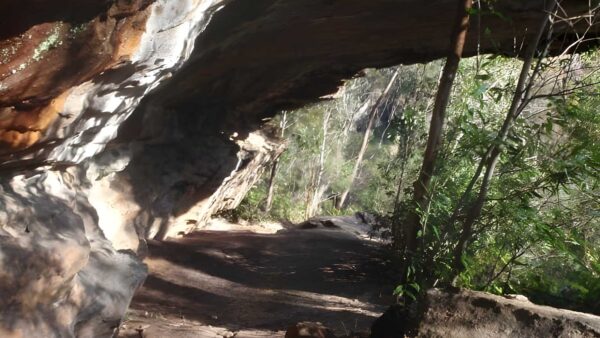
The setting is part of Sydney’s northern sandstone country, where ridgelines, shallow soils and native bush create a dry, open character. Even though the protected area itself is small, its location between two much larger bushland reserves gives it a strong sense of being part of a continuous natural corridor rather than an isolated pocket.
Best Time to Visit
Autumn through spring is usually the most comfortable time to be out around Mount Kuring-Gai, when the weather is milder and the surrounding bush is often at its clearest after summer heat. In spring, the sandstone vegetation around the district is typically at its most colourful, while cooler winter days can make the ridgeline country especially pleasant for walking.
Plants and Animals
Detailed species information for Mount Kuring-Gai itself is limited, but the area sits within the broader bushland of northern Sydney’s sandstone country, where native scrub and forest communities shape the landscape. Its value lies less in size than in helping retain a small piece of this larger vegetated corridor between neighbouring reserves.
Culture and Heritage
Mount Kuring-Gai has direct cultural significance as part of the traditional Country of the Guringai Aboriginal people. It is recognised as an important ceremonial site and contains significant rock engravings showing people, animals and footprints, or mundoes. Among the most striking motifs is a series of large footprints leading towards a depiction of Baiame and his wives, giving the place unusual importance within the region’s Aboriginal cultural landscape.